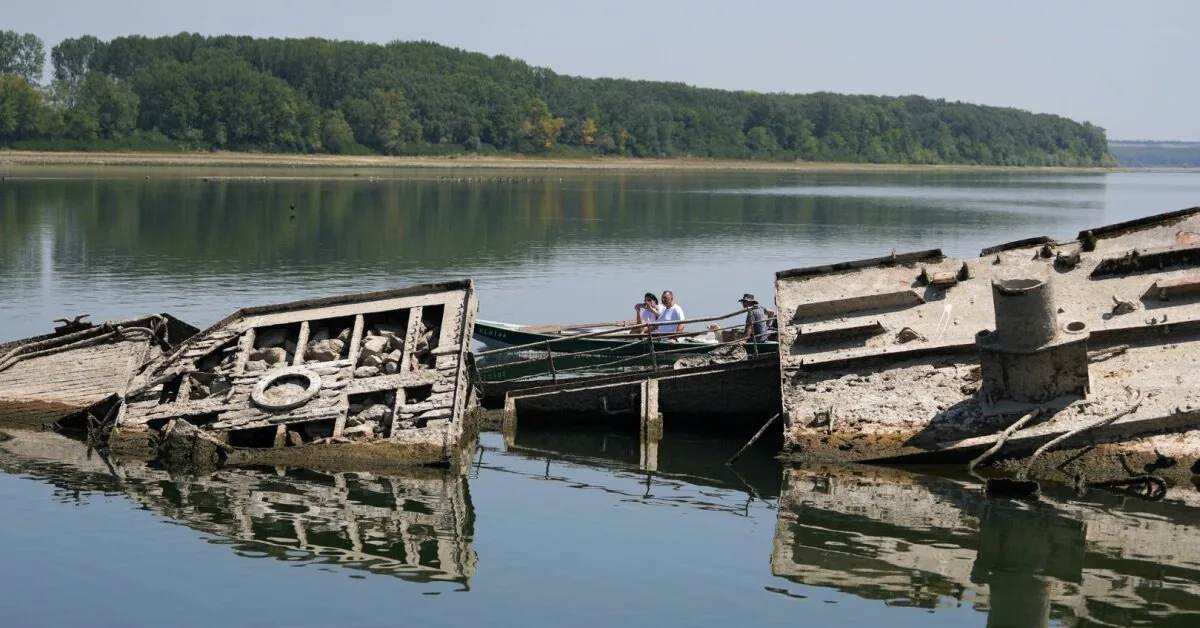
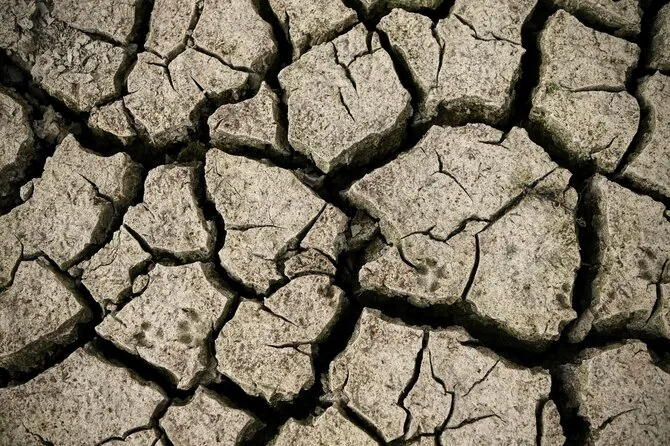
As the major European rivers have significantly dried up, the water has revealed objects that have been hidden underwater and underground for decades or even centuries.
Read more Benjamin Netanyahu rejected the US plan for the Gaza Strip
As shown by the latest “Reuters” photo series, in Serbia, near the town of Prahovo, the remains of German warships from World War II have become visible again as the Danube has dried up.
In 1944, retreating Nazi German forces deliberately sank many of their ships in this stretch of the Danube. The “Associated Press” previously reported that there could have been up to about 200 such ships.
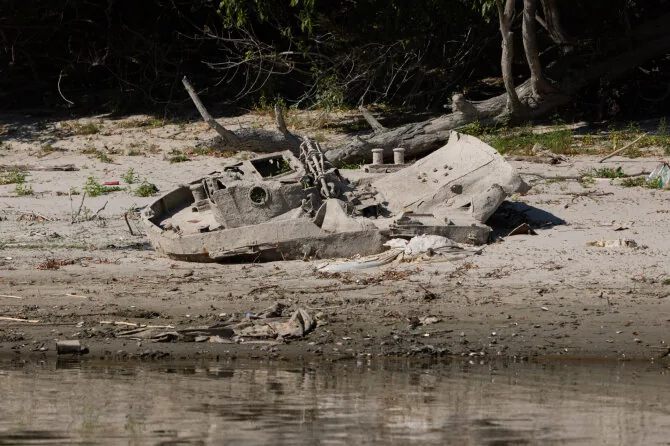
Some of them still pose practical problems. Some sunken ships may still contain ammunition or explosives, and as the water level drops, the wrecks further obstruct navigation.
Drought has also uncovered historical finds in Bulgaria. According to “Reuters,” as the Danube dried up near Gigen, the remains of an ancient Roman bridge became visible. The structure is associated with the time of Emperor Constantine I and was opened in the 4th century.
In another part of Bulgaria, near Ryahovo, huge bones appeared on the riverbed as the water receded. Preliminary assessments suggest they may be remains of a prehistoric mammoth.
Read more Do you know these 10 seas of the world?
Low water levels have also revealed strange historical markers in Germany. The so-called famine stones have reappeared in the Rhine River – stones previously marked by people that emerge only when the water level drops significantly.
Such stones in Central Europe have been associated for centuries with drought periods, which in the past could have meant not only more difficult navigation but also poorer harvests and food shortages.
The effects of drought are also noticeable further from the rivers. In the United Kingdom, dried grass has in some places revealed the outlines of historical buildings underground.
Vegetation over old walls or foundations changes color differently during drought than the surrounding grass, making the plans of long-lost structures visible from the air.
Although such sights provide an opportunity to look into European history, severely dried-up rivers have much more serious consequences – they hinder navigation and can disrupt trade and infrastructure dependent on waterways.
Read more New scam trick – a package you didn’t order: experts explained what to do if you receive one