






However, the reality is quite different. In modern oncology, palliative care is not the end of treatment, but a part of it – helping a person live as well as possible, controlling symptoms caused by the disease, preserving dignity, and making important life decisions, according to a press release.
Read more Karolina Štelmokaitė became the fourth Deputy Minister of Energy
Specialists from the Palliative Care Department of the National Cancer Center see every day what most of society usually does not – fear, hope, unexpected life stories, difficult conversations with relatives, and small victories that sometimes mean more to the patient than we could imagine. In this department, not only symptoms are treated. Here, the person is treated.
We talk about what the palliative care team lives by, which stories remain in doctors’ memories for a long time, with National Cancer Center palliative care doctors Kamile Čerškienė and Akvilė Kizielė and team leader Marius Čiurlionis.
– What story best describes what palliative care really is?
Marius Čiurlionis: I remember one morning when, just entering the department, the smell of fresh bread spread and a lot of laughter was heard. It was a patient who returned to our department after twelve months, not because of illness, but to thank for the hope and life given. She brought bread baked at home herself. Exactly a year ago, she had come from another hospital with advanced oncological disease and a message that no one else could help.
This story is more an exception than the rule, but it very accurately reflects the essence of palliative care – to give not days to life, but life to days. Our department is small – we can help about 400 patients a year. Knowing that about 8,000 people die annually in Lithuania from oncological diseases, this is only a tiny part. However, our entire team believes that the palliative care model we are creating can become an example for the entire healthcare system.
– What are the biggest challenges you face daily?
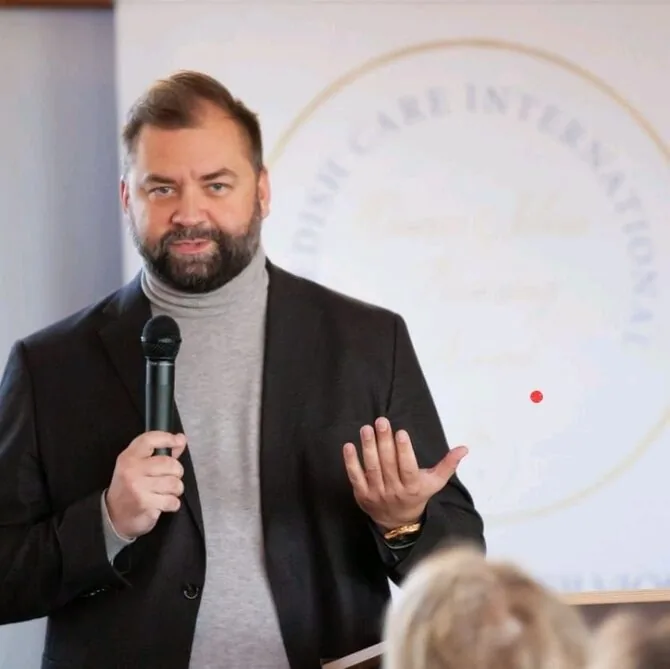
Marius Čiurlionis: We would like to help many more people, but the number of places is limited. Therefore, we always have patients waiting who need symptomatic therapy. There is no seasonality in oncology – our department is full all year round.
But the hardest part is not that. There is no lying and no false hopes in our department. And this is very difficult for some relatives to accept. They expect that another treatment, another chance will be offered. When we have to say that active oncological treatment will no longer be applied, we face very strong emotions.
We try to show that at this stage, the most important thing is no longer the disease, but the person. To be together. To say what perhaps you never dared to say. To apologize. To thank. To hug. Those relatives who understand this experience loss much more calmly, and it is much easier when the loved one passes away.
I am very proud of my team. Every day we have to endure a huge emotional burden, but despite everything, we continue to focus on the best possible help for the patient. Perhaps the most surprising thing is that even after many years, we do not forget a single patient. We remember their stories, their families, their faces. After leaving our department, they do not become just a record in the medical history; they remain in our memory.
– Is there still room for surprises in palliative care?
Marius Čiurlionis: Do we perform miracles? Definitely not. But we try to make the days a person spends with us meaningful.
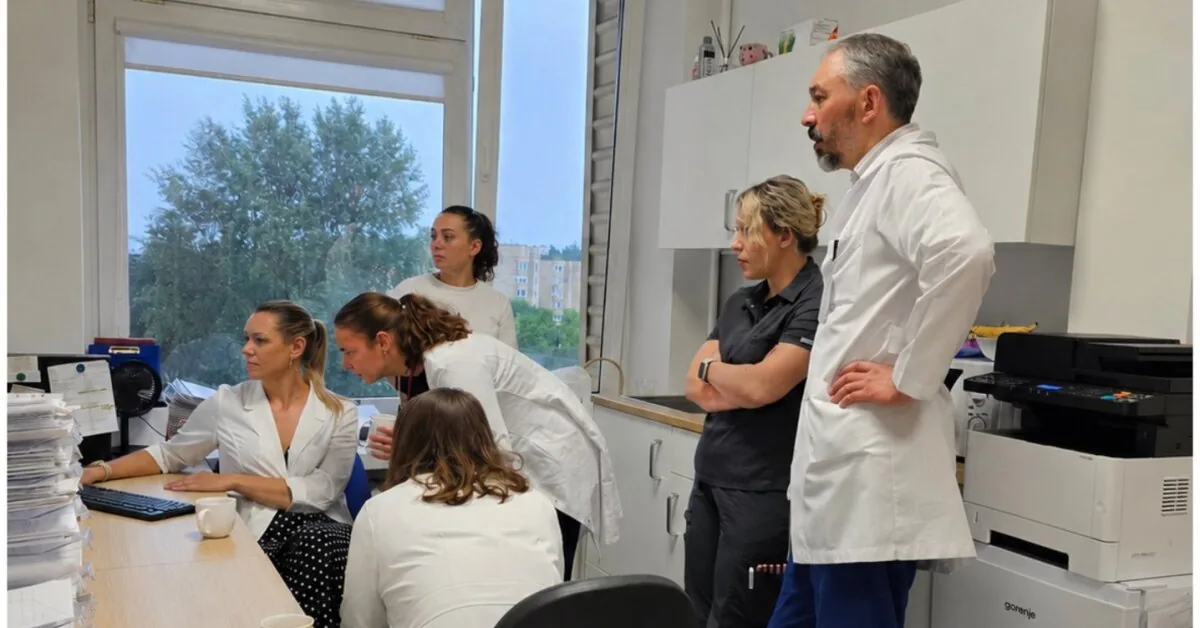
We have a very young and incredibly motivated team – an oncologist, an internist, a pulmonologist, a toxicologist, a family doctor who provides specialized palliative care to oncological patients at home, and other specialists. Each patient becomes a new medical puzzle.
Sometimes our work resembles the series “House, M.D.” The whole team gathers around the monitor, compares radiological images, analyzes blood tests, looks for the latest scientific evidence and solutions. Arguments, discussions, searching for decisions, sometimes it seems that every clinical case becomes a real fight for life, under any conditions. We do not create miracles, but there are cases when patients who arrived in very serious condition walk out of our department on their own feet.
– How would you describe palliative care in one sentence?
Marius Čiurlionis: Palliative care is not about death. It is about life. About one more day.
Read more Accident in Skuodas: dead man found in the park pond
When a patient tells me: “I will die one day,” I always answer: “Probably. But not on all the other days.” And there will be many more of those other days. And now we must think about them.
– Why is palliative care so important for oncological patients today?
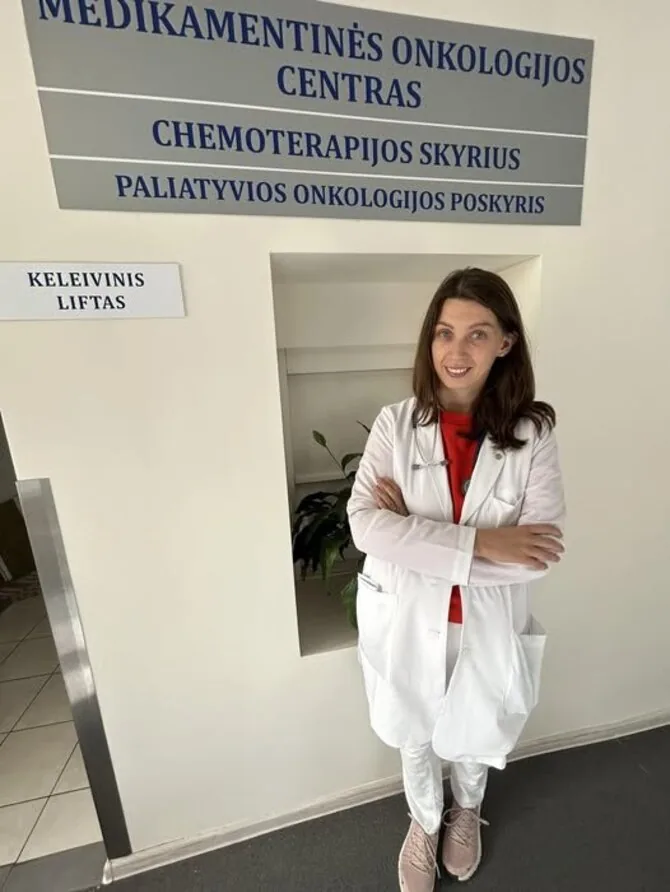
Kamile Čerškienė: For a patient with oncological disease, palliative care is not a choice – it is a necessity. It allows a person to maintain control over life and quality of life even in the face of a serious illness.
The attitude that cancer inevitably means suffering, and many symptoms or complications are simply treated as a normal course of the disease, is outdated and harmful. Modern medicine has a wide arsenal for symptom control – from managing pain and other distressing symptoms to psychological and social support. This allows the patient not only to better bear the burden of treatment but also to maintain the ability to live actively, make decisions about their daily life, and keep what is most important to them.
– Why should palliative care not be associated only with the last weeks of life?
Kamile Čerškienė: One of the biggest myths is that palliative care is needed only when all treatment options have been exhausted. In fact, it should be integrated much earlier – from the moment the oncological diagnosis is made, alongside active treatment.
Early palliative care helps better control symptoms, reduces the emotional burden on patients and their relatives, allows them to remain independent longer, and often even helps to continue specific oncological treatment more successfully. Therefore, today palliative care should not be considered the final stage – it must become an integral part of all oncological care.
– What would you say to a person who, upon hearing a diagnosis of advanced oncological disease, thinks their life is already over?
Akvilė Kizielė: My clinical daily life is full of small success stories. Therefore, I always tell patients – do not condemn yourself prematurely. Often the biggest enemy is not the disease itself, but the belief that life is already over. My experience shows quite the opposite. Even with advanced oncological disease, it is possible to live a full life.
We have patients who, after palliative symptomatic treatment, return to their favorite activities – grilling with family, going fishing, enjoying the company of children and grandchildren, planning trips, or simply enjoying the everyday joys of life. Perhaps the disease changes the pace of life, but it does not necessarily take life itself.
– What do real victories in palliative care look like?
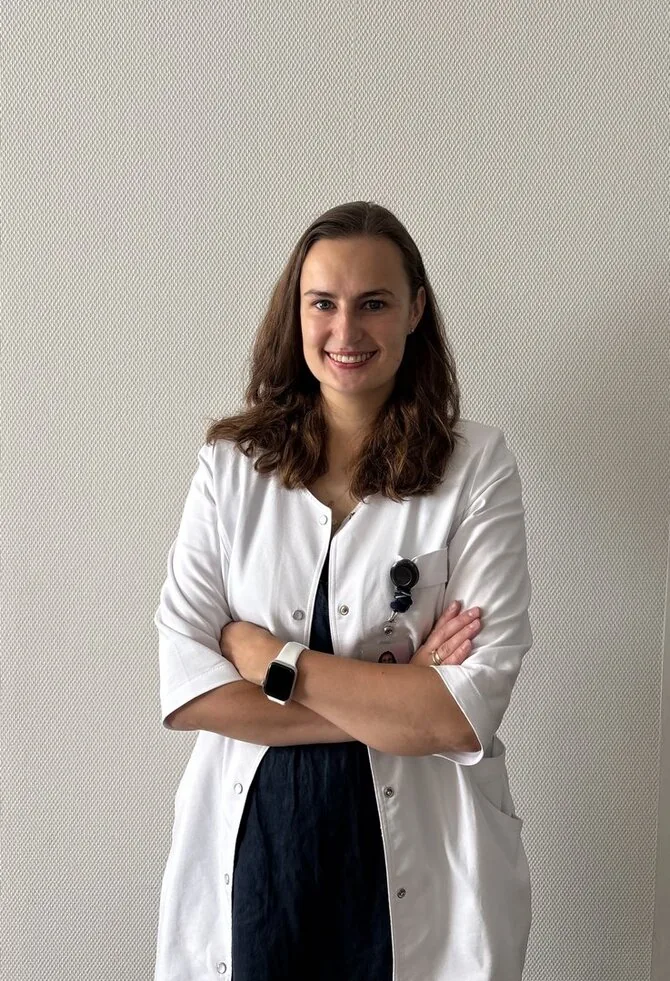
Akvilė Kizielė: Society often associates victories with complete cure of the disease. However, in palliative care, the greatest victories sometimes seem very small at first glance – although they mean a lot to the patient. For example, when nausea is controlled, a person regains appetite and can enjoy their favorite food. When pain is relieved, they can eat independently again, rest well, spend time calmly with loved ones, get out of bed more often, or even go for a walk.
By controlling symptoms, a person regains not only better physical well-being but also the desire to live, plan their day, and enjoy what previously seemed self-evident. It is precisely from such seemingly small changes that our daily success stories are made. Every controlled symptom contributes to a better quality of life and, at the same time, the opportunity to enjoy simple but extraordinarily important moments of life once again. In palliative care, these small victories often become the greatest achievements.
Palliative care doctors often say that in their work, the most important thing is not the name of the disease, but the person. The conversation with the National Cancer Center team only confirms that this field of medicine is about the courage to live when life becomes fragile, about the ability to reduce suffering and help a person not lose themselves. Perhaps that is why the best definition of palliative care fits into one sentence: when medicine no longer cures the disease, it begins to treat the person.
Read more Belgian who played two seasons in Lithuania arrives in Jonava