






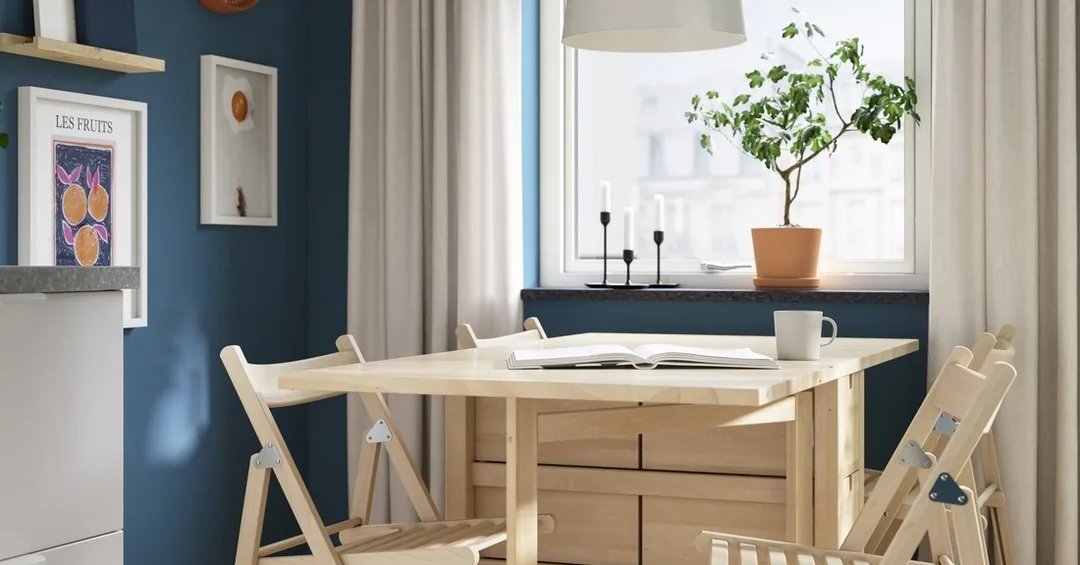
More and more people want homes that are functional and suited for everyday life, rather than perfectly looking. The era of perfectly coordinated interiors is gradually being replaced by cozier, more personal, and distinctive spaces.
Read more Vilnius denies million-dollar promise to ALK: «An example of how not to do it»
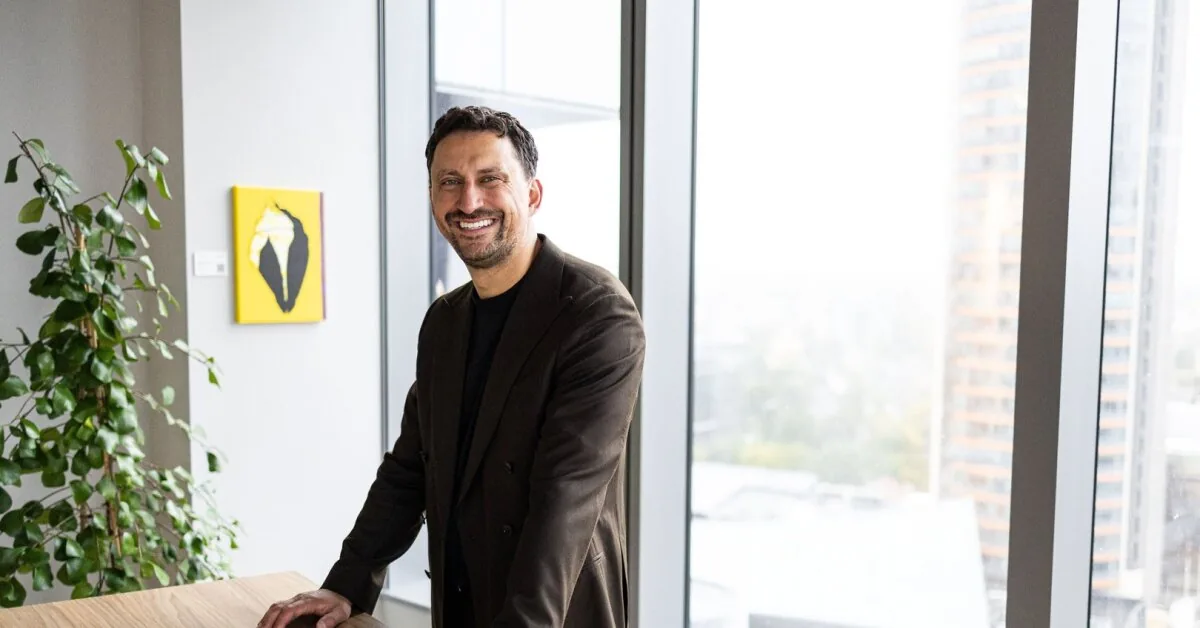
“Although simplicity and order remain important, more often people choose furniture, colors, and materials that help them feel themselves at home. Instead of following one specific trend, people combine old and new elements at home, creating spaces that reflect their lifestyle and tell a personal story,” says Morta Bučinskienė, Head of Interior Design at Ikea.
Richer colors replace neutral shades
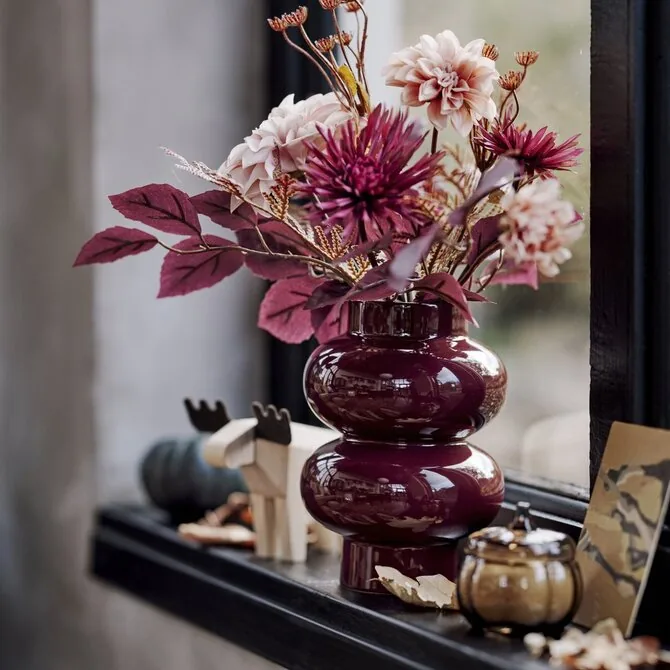
The interior designer notes that for a long time, white, gray, and sand colors dominated interiors. Although neutral shades remain popular, they are increasingly combined with richer and warmer colors that help create a cozier and more characterful atmosphere.
“More and more people want their homes to be personal. Colors, textures, and items with sentimental value help create an environment that reflects who we are and how we live. Homes increasingly feature richer shades in textiles and interior details, such as bedding covers, vases, or lamps. This trend continues to grow – brighter colors are becoming more common when choosing furniture,” says M. Bučinskienė.
Natural greens, dark reds, browns, terracotta colors, and muted yellow shades are increasingly appearing in living rooms, kitchens, and bedrooms. Instead of striving for a perfectly matching interior, people combine colors, materials, and decorative elements they like. At the same time, natural materials gain more importance: wood, woven details, natural textiles, and handmade elements give homes individuality.
Soft shapes create cozier homes
Furniture with rounder shapes is becoming increasingly popular. Sofas, armchairs, coffee tables, and storage solutions with rounded corners take on softer forms that help create a feeling of coziness and calm.
The interior designer explains: “These shapes respond to the growing need to feel good at home – here we work, rest, engage in favorite activities, or spend time with family, so we expect both function and emotion from the interior. Rounded shapes harmonize well with natural materials and lighting created by different light sources. All this helps maintain coziness at home throughout the year.”
One space – multiple needs
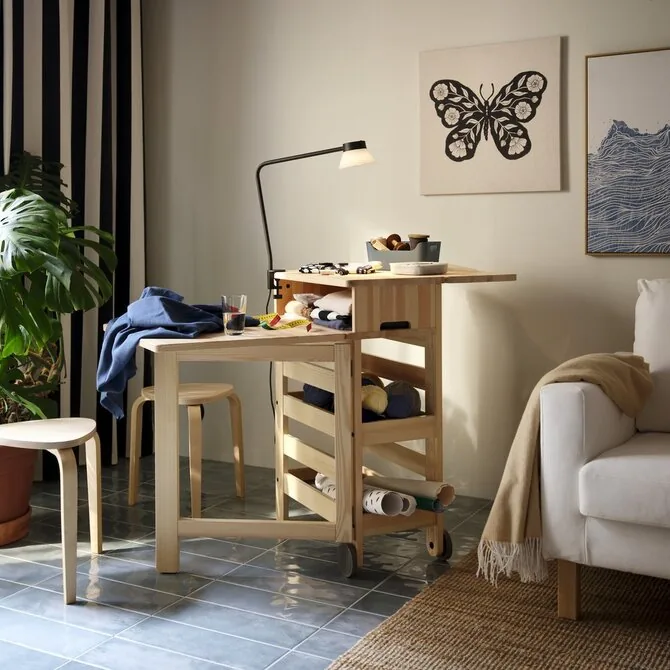
M. Bučinskienė notes that multifunctionality is becoming one of the most prominent furniture trends of 2027 – people want to make the most of every square meter of their homes.
“Regardless of the size of the dwelling, people increasingly look for furniture that helps efficiently use space and makes everyday life more comfortable. Dining tables can become workspaces when needed, storage solutions help divide open spaces into different zones, and sofas provide extra sleeping space and storage. Furniture must adapt to different activities and changing needs throughout the day,” says the interior designer.
Therefore, the approach that each room should serve only one function is gradually being abandoned. Instead, flexible spaces are created where one can work, relax, host guests, or pursue hobbies.
“Today, when choosing furniture, people increasingly think: will this make my everyday life easier? People pay more attention to furniture that helps solve practical challenges, but this does not mean giving up comfort or favorite style. The best solutions are those that are easy to adapt at home as life needs change,” says M. Bučinskienė.
Read more Basketball season begins: «Gargždai» – Kaunas «Žalgiris»