Causes of Phytophthora Development
Phytophthora, unfortunately, is a common problem for many gardeners. Fighting this disease is quite difficult because Phytophthora spores can be anywhere – in the soil, plant debris, tools, seeds. Plant density hinders ventilation, and with added high humidity in such places, the fungus begins to actively develop.
Read more Iran: The goal of the US and Israel remains to overthrow the Islamic Republic
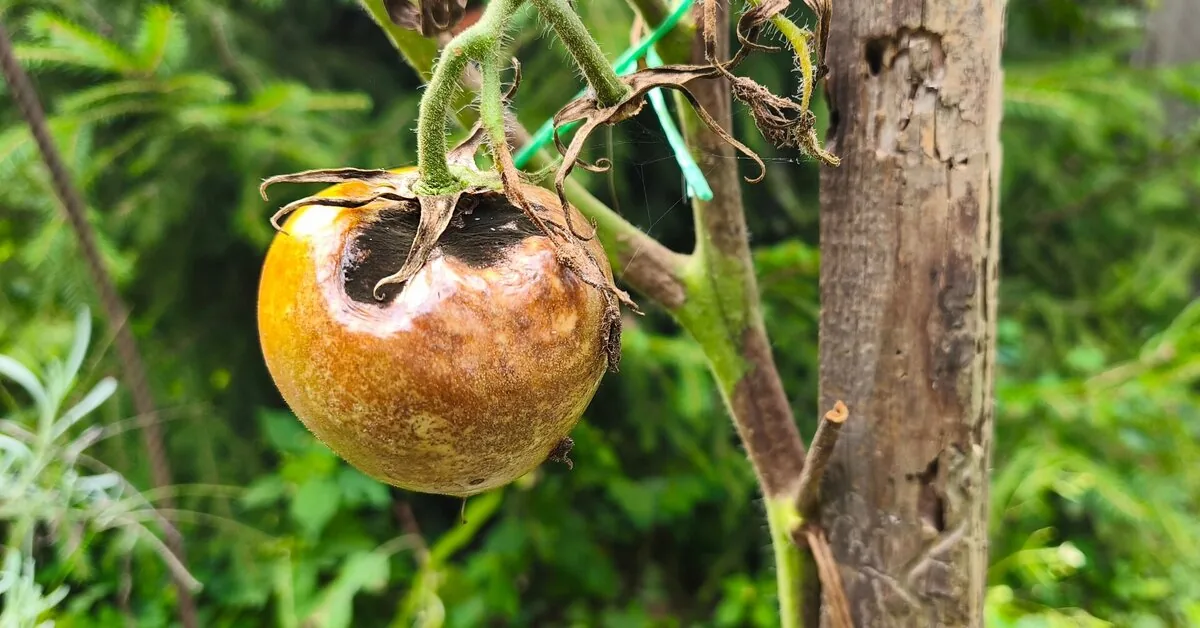
The fungus first affects tomato leaves, then smoothly moves to the stem and finally reaches the fruits. Black spots cover the plant, and the leaves completely wither. Phytophthora spreads from one bush to another and can destroy the entire crop in a short time.
The favorable environment for Phytophthora includes:
- dense tomato beds,
- large temperature fluctuations, weather changes,
- alkaline soil,
- weak and sluggish plants,
- frequent rains,
- humid and cool weather.
Fighting Tomato Phytophthora
How to avoid the disease should be considered even before planting. Much depends on the choice of planting location. Tomatoes should not be planted in the same place every year; crop rotation rules must be followed.
Proper tomato watering is very important – moisture accumulation must be prevented. Under such conditions, Phytophthora spores multiply quickly. It is best to water tomatoes in the morning hours, and during prolonged rains, not to water at all. To prevent water from stagnating near the roots, the soil should be periodically loosened, especially in humid weather.
Regularly perform a “cleaning” procedure – remove half of the green mass from each bush, especially important for tall tomato varieties. Shoots (suckers), leaves of the first fruit cluster, unsightly and unripe fruits should be pruned.
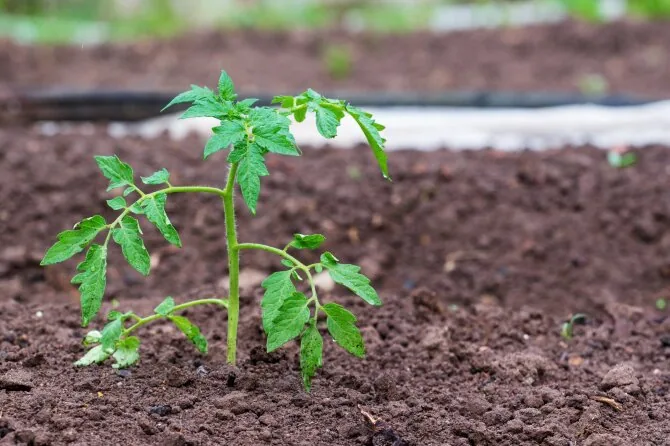
To protect tomatoes from rain and fog, it is advisable to install a canopy over the tomatoes in the open ground in August.
Folk Methods to Combat Phytophthora
Whey: Tomato leaves are sprayed with whey. For this, whey is diluted in equal proportions with water and can be sprayed daily.
Garlic infusion with potassium permanganate: The infusion is prepared as follows: 100 g of garlic is poured with one glass of water and left for a day. The solution is strained, the volume is topped up with water to 10 liters, and 1 g of potassium permanganate is added. This solution can be sprayed every 10 days.
Read more ES aims to reserve mobile satellite communication licenses for European companies
Ashes: Sprinkle ashes between rows a week after planting. Repeat the procedure later when fruits start to form.
Milk solution with iodine: 1 liter of low-fat milk is diluted with 10 liters of water, 15 drops of iodine are added, and plants are sprayed every two weeks.
Yeast: Yeast can save tomatoes from Phytophthora if sprayed at the initial infection stage. 100 g of yeast is dissolved in 10 liters of water and tomatoes are sprayed as soon as the first signs of Phytophthora appear.
Table salt: Regular table salt also helps fight Phytophthora. One glass of salt is dissolved in 10 liters of water. Green tomato fruits should be sprayed once a month.
Manure solution: It is used to spray not only tomatoes but also eggplants and potatoes. Half a kilogram of manure should be diluted in a bucket of water and the resulting infusion used to spray the plants.
Kefir or buttermilk: Spray tomatoes with water diluted with kefir or buttermilk in a 1:10 ratio. Plants can be sprayed daily with this natural solution.
Iodine solution: If Phytophthora has just started on tomatoes, it can be fought by spraying with iodine solution. 10 ml of 5% iodine is dissolved in 10 liters of water and plants are sprayed every 3 days with this solution.
Read more Gabija Laubner-Sakalauskienė – about equal parenting, household, and dreams
Source: tsn.ua