







Licenses to use these frequencies were granted in 2009 to US operators Viasat (formerly Inmarsat) and Echostar (formerly Solaris), and they will expire in May 2027. The European Commission has announced plans to extend the current arrangement for two years, but after that, under a new allocation procedure, at least two-thirds of the frequency spectrum should be allocated to EU operators.
Read more Gabija Laubner-Sakalauskienė – about equal parenting, household, and dreams
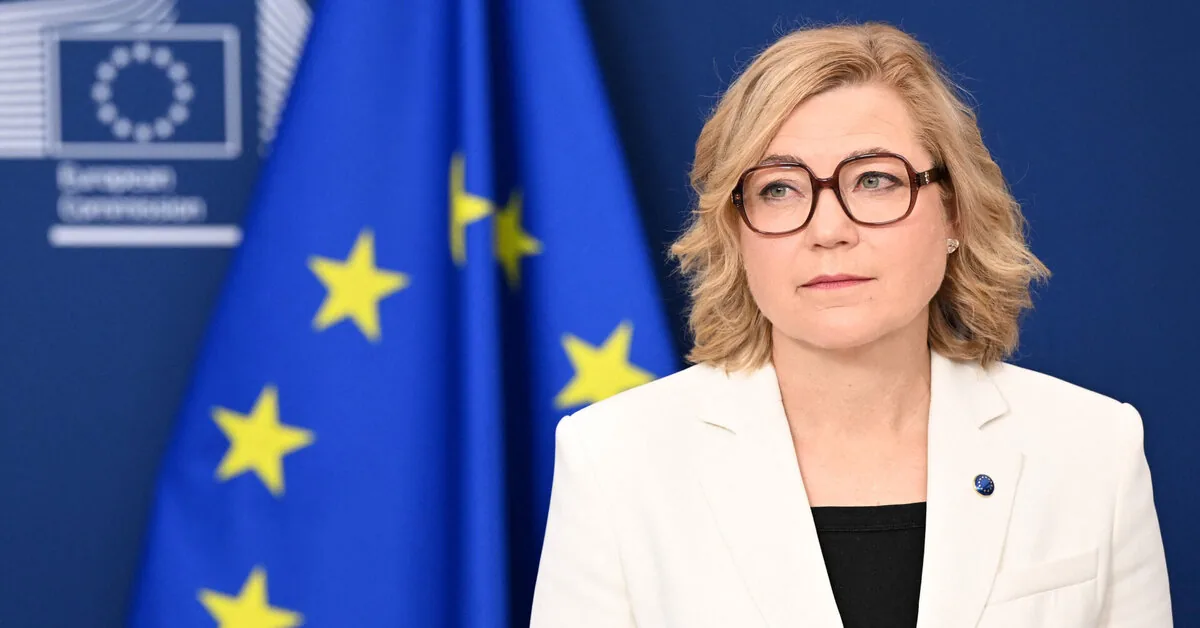
“We now have a rare opportunity to choose what we want to do in the future,” said Henna Virkkunen, Vice-President of the European Commission responsible for technological sovereignty, security, and democracy, presenting the plan to journalists. “We want to increase Europe’s competitiveness, we want to strengthen Europe’s security, and we also want to expand new technological opportunities. And all this would be done taking into account the current changing geopolitical context.”
Specifically, this step concerns the two-gigahertz mobile satellite communication service frequency band, which is considered essential for ensuring access to high-speed internet in areas without terrestrial coverage.
“This frequency band is absolutely vital for our citizens, businesses, as well as governments,” said H. Virkkunen, calling satellite communication “essential for our public services and Europe’s critical communications.”
According to the proposal, which still requires approval from the European Parliament and member states, one-third of the frequency band would be “allocated for governmental use, such as critical communications, security, and military purposes, ensured by an EU operator,” the Commission’s statement said.
Read more Ukrainian missiles burned down the Russian Black Sea Fleet headquarters in Crimea
Two-thirds would be allocated for commercial use – from providing mobile internet services to connecting devices such as personal fitness trackers and emergency assistance tools.
Of the commercial segment, half would be reserved for “EU operators entering the market,” and the other half would be open to both EU and non-EU operators, including potential new entrants like Elon Musk’s Starlink.
This step in the satellite field is part of broader EU efforts to reduce what it sees as risky over-dependence on foreign technology companies. Brussels is expected to present a highly anticipated technological sovereignty plan next week.
Read more India is being pierced by a heat wave: the prime minister says it is «cruel for all of us»