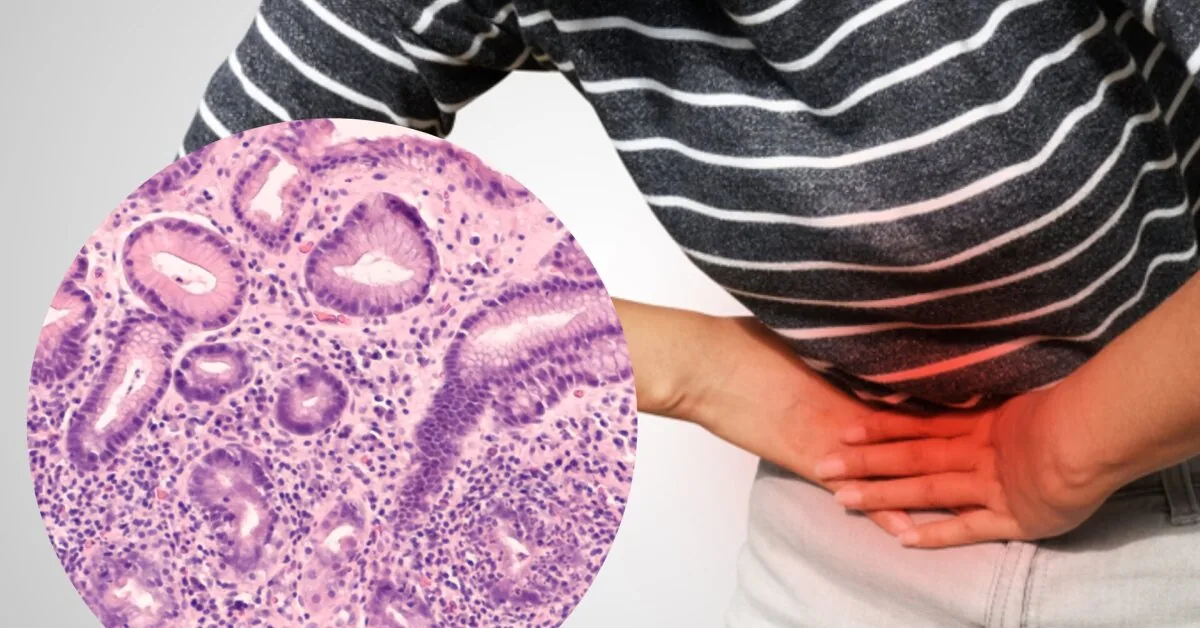









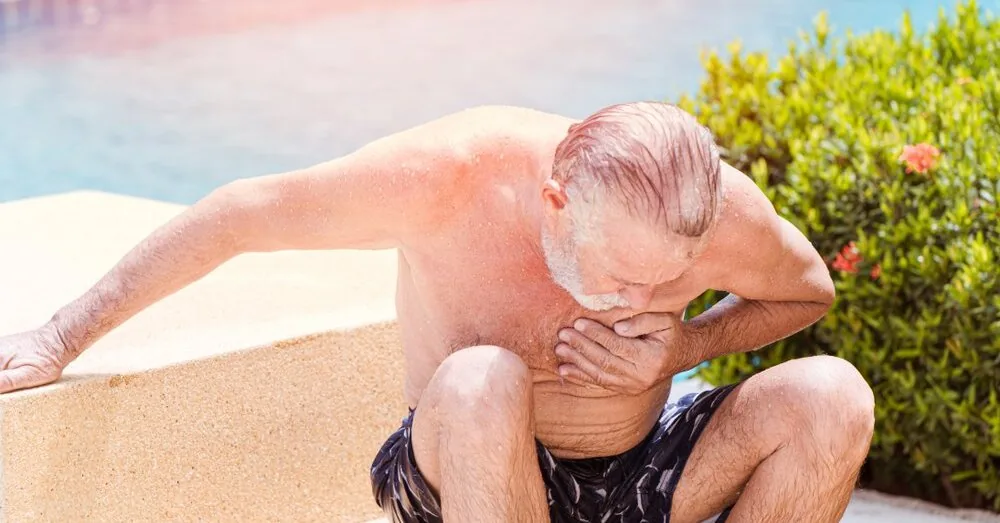
As cardiologist Rūta Rogalskienė from the medical center “Hila” says in a press release, on a hot day the body activates natural protective mechanisms against overheating: we start sweating, the blood vessels in the skin dilate, and more blood is directed to the surface of the body. To effectively perform this function, the heart begins to work harder.
Read more Caught attention: from the party in Ibiza – sizzling shots with Edita Daniūtė-Gozzoli
“In order for the body to be supplied with oxygen and at the same time be able to cool down, the heart has to beat more often and pump more blood. For people already suffering from heart diseases, such an additional load can exacerbate symptoms – for example, in coronary artery disease, the heart may lack oxygen, causing pressure or pain in the chest. Heat can also worsen heart failure, arrhythmias, or blood pressure control,” explains R. Rogalskienė.

According to the specialist, the greatest risk falls on older people and those suffering from heart failure, ischemic heart disease, arterial hypertension, heart rhythm disorders, diabetes, and kidney or lung diseases.
“The risk increases for older people because they often feel thirst less strongly, their bodies adapt more slowly to temperature changes, and many take medications that can affect blood pressure, fluid balance, or sweating,” says the cardiologist.
Dangerous even for young and healthy people
R. Rogalskienė emphasizes that summer heat can be dangerous even for seemingly completely healthy people. According to her, a young, athletic person can just as easily overheat, lose a lot of fluids, or suffer heat stroke.
“If blood pressure becomes unusually low during heat, dizziness or weakness occurs, you should immediately consult a doctor,” reminds the cardiologist.
She points out that the heart is harmed not only by high temperature, intense physical exertion, or insufficient fluid intake. Additional risk is increased by alcohol, which promotes fluid loss, dilates blood vessels, and can further lower blood pressure. For more sensitive people, large amounts of coffee or energy drinks can also have a negative effect, especially if consumed during intense physical activity.
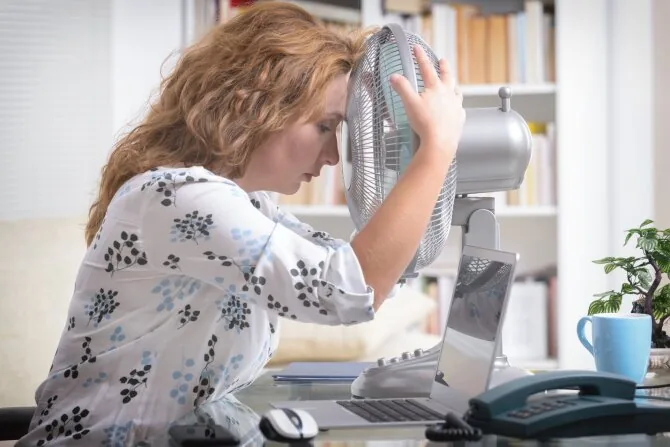
However, R. Rogalskienė does not encourage giving up sports because of this – only advises to do it early in the morning or later in the evening on hot days, take more frequent breaks, and drink water constantly. According to her, it is especially important to listen to the signals sent by the body when the temperature rises significantly.
“Unusually frequent or irregular heartbeat, palpitations, severe weakness, dizziness, shortness of breath, or fatigue appearing faster than usual may indicate that the heart is under too much strain. If such symptoms occur, physical activity should be stopped immediately, go to a cool place, rest, and drink water in small doses if there are no medical restrictions,” recommends the cardiologist.
According to the specialist, it is especially important not to delay when experiencing severe or prolonged chest pain, pronounced shortness of breath, fainting, very frequent or irregular heartbeat.
Read more France took sudden action over Spain
“If these symptoms do not pass even after some rest, it is necessary to call emergency medical services immediately. Such signs may indicate not only overheating but also acute heart dysfunction,” warns R. Rogalskienė.
Positive habits for heart health
Although the heart bears a greater load on hot days, the most important principles for protecting its health remain unchanged throughout the year.
“Regular physical activity, balanced nutrition, adequate fluid intake, maintaining normal body weight, and controlling blood pressure, cholesterol, and glucose remain the cornerstones of cardiovascular disease prevention. In summer, all these habits just need to be adapted a bit more responsibly to specific weather conditions – pay more attention to hydration, avoid prolonged exposure to direct sunlight, choose lighter foods rich in vegetables, fruits, whole grains, and fish,” advises the cardiologist.

However, surveys show that many do not maintain even one heart-friendly habit during the warm season. A representative survey conducted by the company “Spinter tyrimai” in June commissioned by “Moller’s” revealed that only 22% of Lithuanian residents regularly consume fish oils in summer as in other seasons. Another 18% of respondents said they consume them less often, and almost a fifth admitted that they do not consume fish oils at all in summer.
According to R. Rogalskienė, such seasonality is not medically justified.
“A specific season does not adjust the need for omega-3 – we need these fatty acids all year round. So just because summer has come, there is no need to take a break. Especially in cases where a person takes omega-3 supplements recommended by a doctor for a specific health condition,” says the cardiologist.
She reminds that one of the most important natural sources of omega-3 fatty acids is fatty fish. If it is not possible to eat as much as recommended with food, omega-3 can also be obtained from fish oil supplements.
However, the specialist emphasizes that omega-3 is only one part of comprehensive cardiovascular disease prevention.
“If a person is inactive, smokes, does not control blood pressure or cholesterol, omega-3 supplements alone will not compensate for this risk. In other words, omega-3 can be compared to one puzzle piece – without it, the overall picture will be incomplete, but it alone will certainly not create the whole picture,” emphasizes R. Rogalskienė, stressing the importance of a healthy lifestyle.
Read more Sireika responded to talks about a boycott in the Lithuanian national team: «This is a crime!»