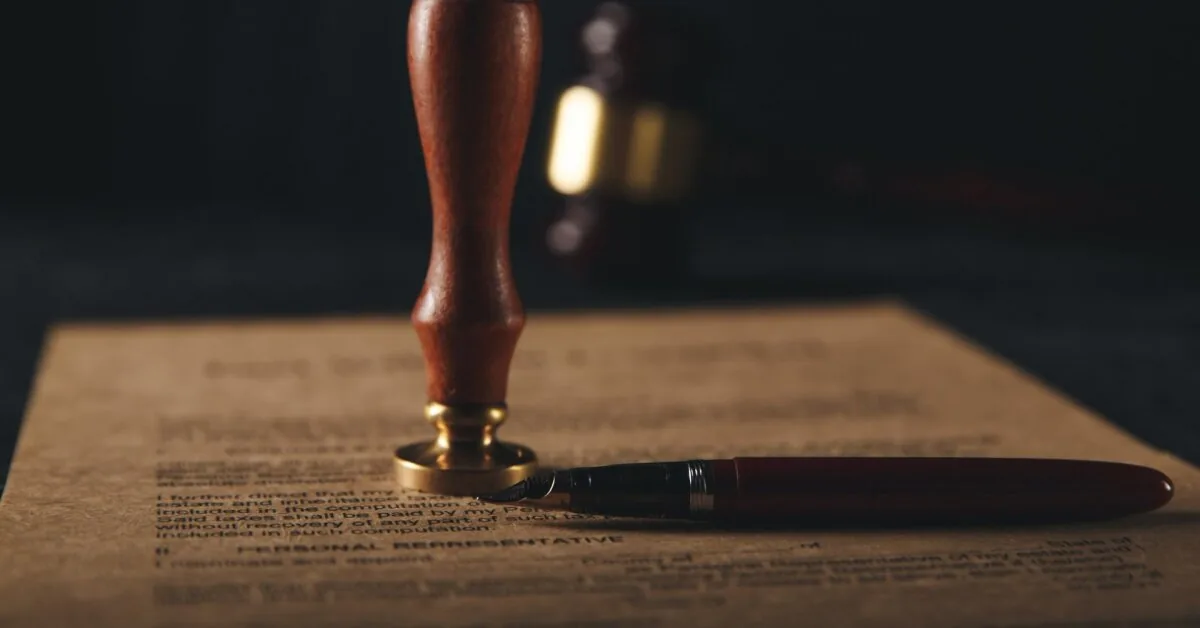
Already while in a nursing hospital and a couple of months before her death, the woman gave her apartment in Vilnius to her daughter, although a few years earlier she had written a will leaving her property in equal parts to her son and daughter.
Read more Hungarian Prime Minister to meet with European Commission President in Brussels over frozen funds
The Lithuanian Court of Appeal noted that, after the expertise was performed, categorical expert conclusions were obtained that the woman suffered from dementia at the time of concluding the donation agreement and could not understand the essence of her actions. Moreover, the defendant herself, when applying to the responsible institution for social benefits, stated that her mother had lost independence, was disoriented in the environment, and did not recognize some people she had known all her life.
The court’s doubts about the true will of the donor were also reinforced by the fact that the donation agreement was confirmed not by the notary who certified the will, but by a notary working in another city, and the plaintiff learned about the disputed transaction only after applying to the notary responsible for the inheritance case, although until then his relationship with his mother was close.
Read more Rokas Baciuška chases Peterhansel: nothing is lost
According to the appellate court’s assessment, the totality of the evidence in the case confirmed that the mother who concluded the donation agreement could not understand the essence of her actions and control them, and this is the basis for recognizing the donation agreement as invalid.
Read more „Iki“ announces summer working hours: these stores will be open longer