









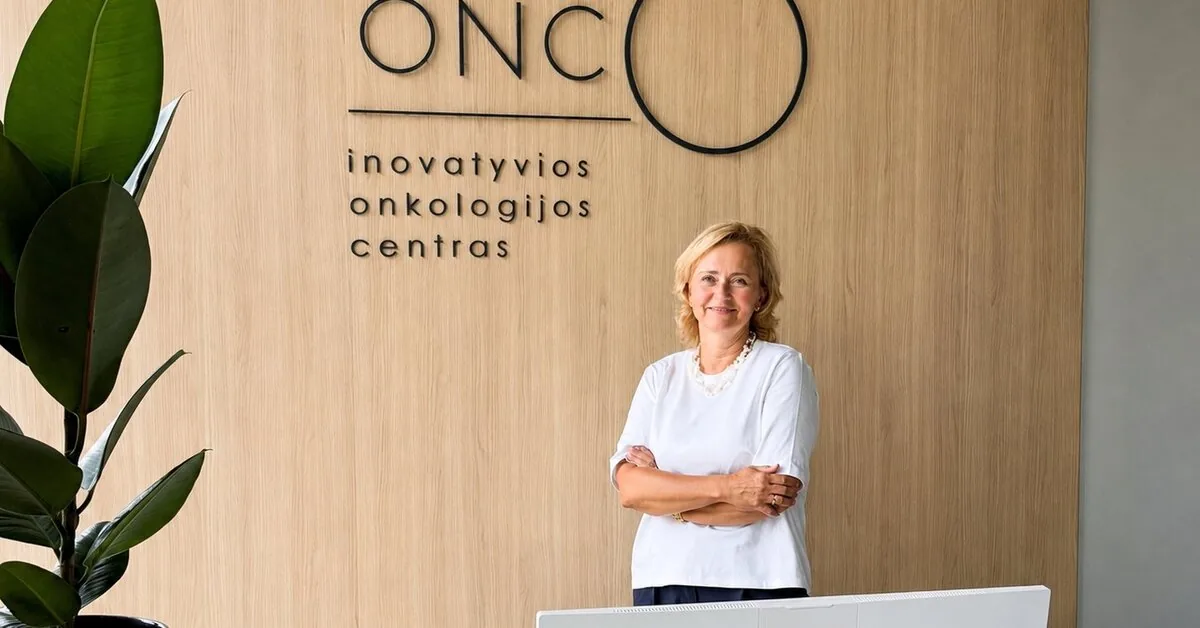
At the “Onco” center, which started its operations in Vilnius in July, people diagnosed with oncological diseases and their relatives will be able to receive a second doctor’s opinion, expanded diagnostic capabilities, and professional health monitoring.
Read more Love is knocking: The end of summer promises fateful changes for 4 Zodiac signs
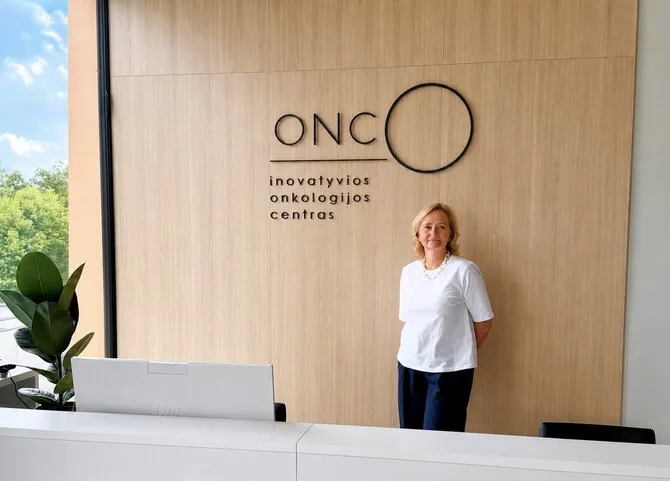
“Oncological diseases affect tens of thousands of Lithuanian residents every year, but patients still face a difficult treatment path – queues for visits to necessary specialists, lack of information, a long decision-making process, limited opportunities to receive advanced genetic tests or evaluate treatment alternatives abroad. Modern medicine is rapidly advancing, and we want to move forward together. Oncological disease can be a manageable health condition, not a life sentence,” says Daiva Kazlauskienė, one of the founders of the “Onco” center.
Genetic characteristics of the disease allow for better treatment selection
Globally, genetic and molecular tumor tests are becoming an integral part of personalized oncology, but in Lithuania, they are still not performed for all patients. In modern oncology, knowing the tumor’s name is no longer enough. Genetic tests allow for the determination of a unique molecular profile of the tumor and the selection of individualized, target-specific treatment. This means that the patient then receives the medications that are most effective for them.
By identifying genetic mutations, it is possible not only to predict the course of the disease more accurately but also to warn the patient’s family members in time, giving them the opportunity to take preventive measures.
Pain and side effect management of treatment
There is still a widespread belief in society that oncological disease inevitably means severe and difficult-to-control pain. In Lithuania, the use of opioid analgesics is one of the lowest in the entire European Union. However, their rational use is one of the most important parts of modern palliative and oncological care.
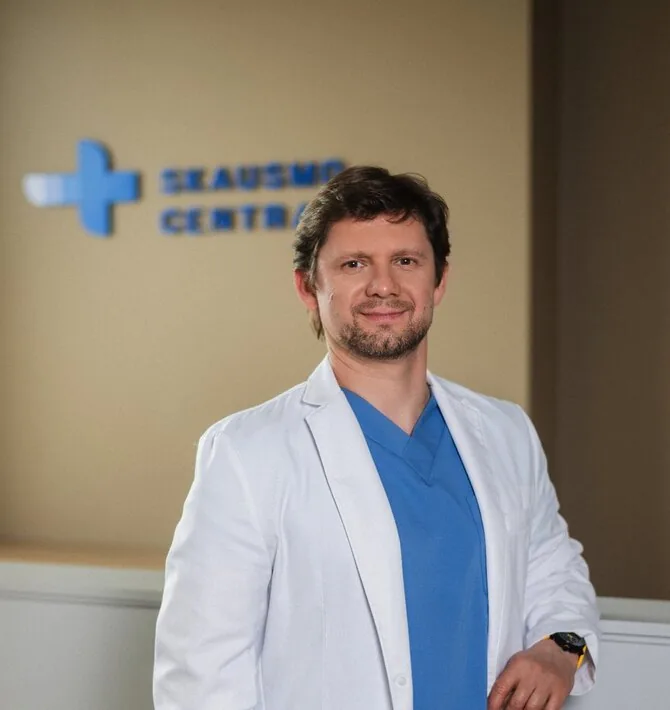
“Despite the fact that about 50 percent of patients with oncological diseases experience significant pain, modern measures in many cases allow for the management of oncological pain so that it is tolerable or does not significantly disrupt the quality of life. Oncological pain can have various causes, so its management often involves specialists from various fields. Medications can be prescribed for pain control, selected individually based on effectiveness, tolerability, and considering other patient conditions. Sometimes special interventional pain treatment procedures are required, performed in pain clinics or by specialists from other fields. When severe pain subsides, a person sleeps better, becomes more physically active, their mood and general well-being improve. Often, the amount of medication used and their side effects decrease,” says Alfredas Vaitkus, an anesthesiologist-reanimatologist and interventional pain treatment specialist, Doctor of Science.
At the “Onco” center, attention will be paid not only to the tumor treatment itself but also to the control of undesirable phenomena caused by chemotherapy, immunotherapy, or other treatment methods, aiming to maintain the best possible quality of life for the patient.
Read more Klaipėda Port demonstrates resilience: half-year cargo handling jumped by 6%.
Coordination of treatment in foreign countries
In recent years, new treatment methods, clinical trials, and innovative drugs have rapidly emerged in oncology, but their accessibility varies across different countries. Specialists at the innovative oncology center will help evaluate treatment options not only in Lithuania but also in Germany, Spain, and Italy. If a patient chooses treatment in another country, the center’s team will coordinate the entire treatment process.
According to the founders of the “Onco” center, a lot of attention is paid to oncology in the state medical sector in Lithuania, but not all treatment possibilities have yet been realized in our country. According to specialists, there are many successful cases of treatment abroad, but navigating all the information, understanding the nuances of the healthcare system, choosing appropriate treatment institutions, and collecting the necessary documentation is a complex process.
Treating the person, not the tumor
Modern oncology relies not only on standard treatment algorithms but also on individual decisions based on each patient’s disease biology, general health condition, and personal needs.
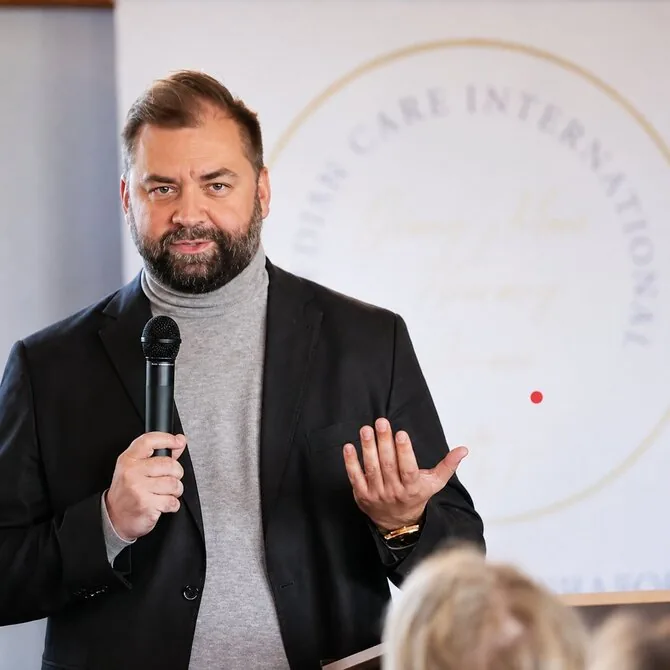
“The path of a patient with an oncological disease – from diagnosis to treatment and life after the disease – is full of challenges, ups, and difficult moments. The best results in oncological treatment are achieved when not only the primary diagnosis is treated, but the person is viewed as a whole. To make the best decision for recovery, their general health condition must be evaluated, not just individual components. A comprehensive approach, combining treatment, palliative care, symptom management, and concern for quality of life, must become not an exception but the standard of modern oncology,” says Marius Čiurlionis, a board member of the European Association for Palliative Care and president of the Baltic Palliative Care Association.
Oncology, internal medicine, toxicology doctors, and an oncopsychology specialist at the innovative oncology center will evaluate not only the characteristics of the tumor but also co-morbidities, physical condition, emotional health, treatment goals, and quality of life. According to the creators of the “Onco” center, not only treatment results are important, but also how a person feels during treatment and when returning to a full life afterward.
Read more «Google» introduced an AI model that almost no one will get: what does this say about the future?


