







Legal changes provided the impetus
According to Laura Amšiejūtė, a lecturer at Kaunas University of Applied Sciences, the last few years in Lithuania mark a significant transformation – apitherapy is confidently becoming part of the academic context.
Read more Why is chaos beneficial for our body? KTU scientist explains the paradox
A significant impetus for the development of this field and the systematic training of specialists was provided by the legal regulation that came into force in 2022, which recognized apitherapy as a complementary and alternative healthcare service.
“Society is increasingly looking for natural, yet safe and scientifically proven health-promoting measures. This has stimulated not only legal changes but also the emergence of study programs,” the interviewee notes.
Potential of product diversity
L. Amšiejūtė emphasizes that apitherapy is not a substitute for traditional medicine – rather, it is a valuable supplement: “By integrating bee products, we can enhance recovery efficiency. They act through anti-inflammatory, immune, and regenerative mechanisms, and also have a positive impact on the patient’s psycho-emotional state.”
For example, honey is highly valued for its antibacterial properties, its ability to provide quick energy and promote wound healing, while propolis is considered a natural antibiotic with extremely strong anti-inflammatory and antimicrobial effects.
“Pollen and bee bread are concentrated sources of vitamins, trace elements, and essential amino acids, helping the body recover after illnesses or intense physical exertion, while royal jelly has a strong immunomodulatory effect, helps regulate hormone balance, and promotes cell regeneration – due to these properties, it is often studied as a means to reduce oxidative stress,” the apitherapy specialist continues.

Bee venom is also valuable, used for pain relief and inflammation control. And finally – wax, which is widely used for external compresses, applications, and in medical cosmetics.
Thus, as the interviewee says, each bee product is unique, possessing distinct properties, and their effectiveness has been confirmed by various scientific studies.
Attracts the attention of practitioners
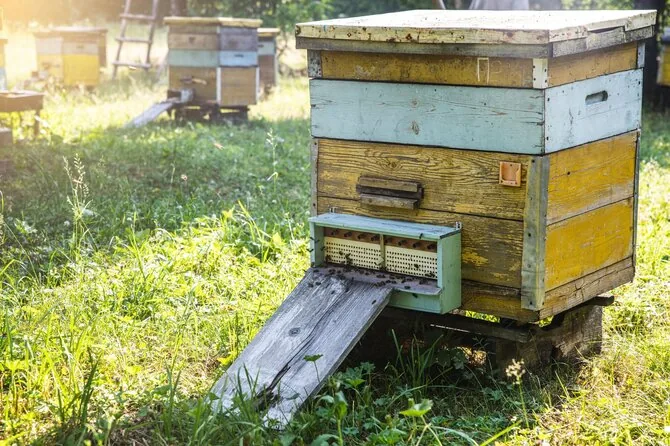
In addition to direct product consumption, so-called hive therapy, aimed at relaxation and improving sleep quality, as well as inhalations that positively affect the condition of the respiratory tract, are becoming increasingly popular, the specialist lists.
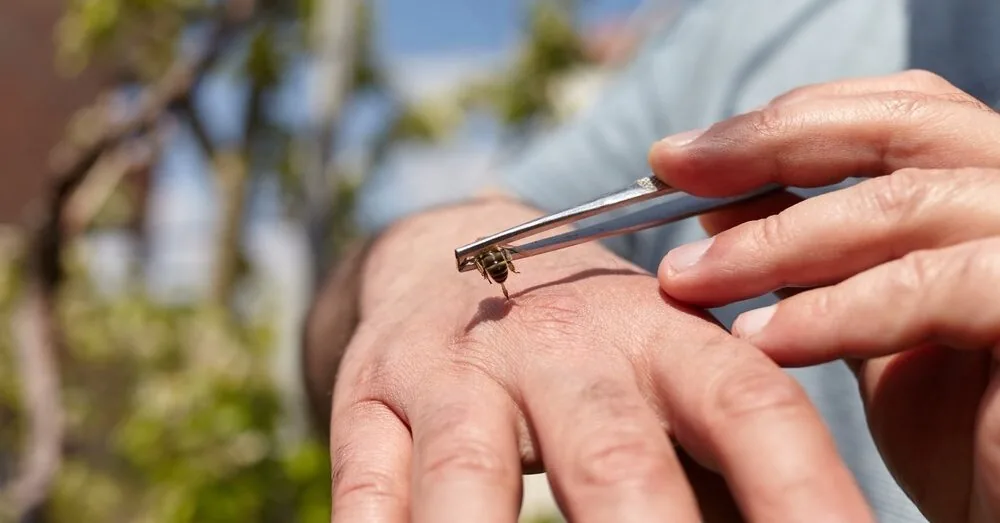
Although it is common to say that beekeepers almost never suffer from joint diseases due to constant stings, in a professional environment, this method requires extreme caution, and bee venom therapy is considered perhaps the most controversial area of apitherapy.
“For individuals who are not allergic to bee venom, it can be beneficial as an additional measure in treating neurological or joint diseases,” L. Amšiejūtė confirms. “However, as one of the riskiest forms of apitherapy, it requires strict specialist control.”
The interviewee mentions the practical application of this method in Lithuanian medical institutions – for example, anesthesiologist-resuscitator Lukas Mackevičius at Kaunas Clinics has applied bee venom as an additional therapeutic direction.
Conversely, if applied incorrectly or without sufficient knowledge, such therapy can result in anaphylactic shock or other severe complications. According to the specialist, people attempting to improve their health or treat themselves independently often underestimate the potency of bee products, potential contraindications, or fail to adhere to proper storage conditions for the products themselves.
Experience – for content and quality
Although the pharmaceutical industry remains dominant, the biological potential of bee products is so vast that it can no longer be ignored, L. Amšiejūtė is convinced. Therefore, it is not surprising that apitherapy is rapidly establishing itself in both society and the academic community.
“Together with my father Algirdas Amšiejus, we are often invited to give lectures on apitherapy topics to various audiences. Every year, together with the Lithuanian Apitherapy Association, we organize conferences where the latest scientific research from Lithuania and abroad is presented,” says the lecturer at Kaunas University of Applied Sciences. “I have also been participating in the Apimondia Congress for several years, where separate scientific sections are dedicated to apitherapy. This international experience expands the content and quality of the lectures taught.”
The interviewee has no doubt that the general interest in this field is also strengthened by the media, for example, through television shows like “Bičiuliai” (Friends/Beekeepers), which contribute to the popularization of beekeeping and bee products in a language understandable to many.
Globally recognized authorities, such as Dr. Stefan Stangaciu, President of the International Federation of Apitherapy (IFA), also emphasize that this field must be integrated into modern medicine as a standardized and scientifically proven method of treatment and health promotion.
“I hope that in the future there will be more high-quality human studies, and apitherapy will expand further both in Lithuania and globally. It is likely that closer cooperation between beekeepers and medical specialists will also strengthen, aiming for safe, scientifically sound, and integrated application of apitherapy in health promotion and rehabilitation. This would allow apitherapy to become a more structured, standardized, and widely applicable part of healthcare,” L. Amšiejūtė predicts.