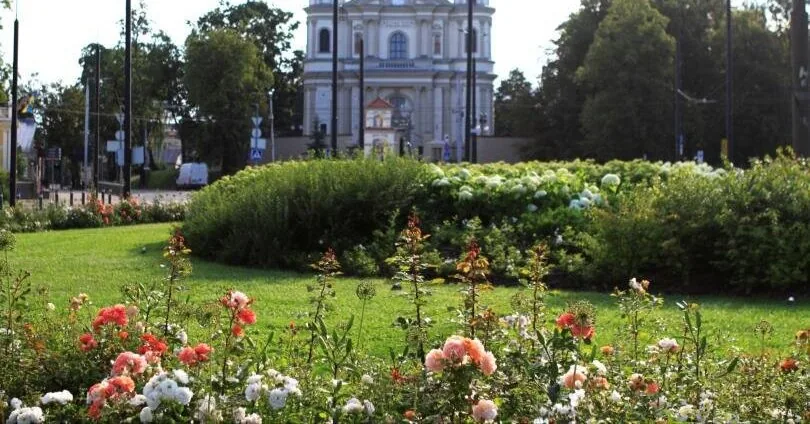
The most beautiful flowerbed of each Baltic capital will be announced by an international commission at the end of July, according to a press release from the Vilnius city municipality.
“Each flowerbed this year tells a different story of Vilnius. Some reflect the city’s history and personalities, others – nature, architecture, or even the colors of Čiurlionis’s paintings. Therefore, it is not easy to compare them with each other,” says Vaiva Marozienė, chief city gardener of “Vilnius City Parks.”
The colors of M. K. Čiurlionis’s paintings
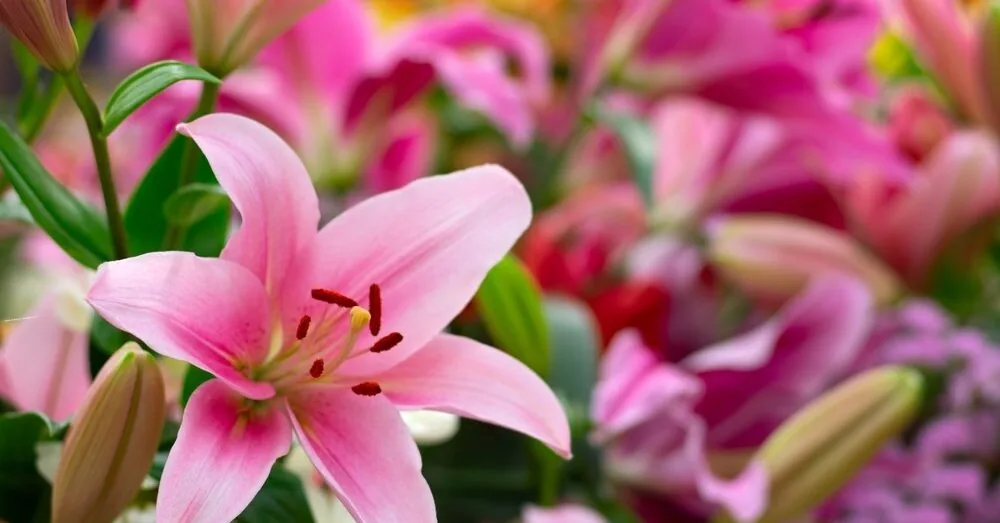
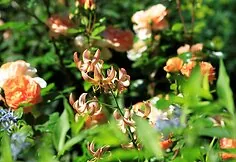
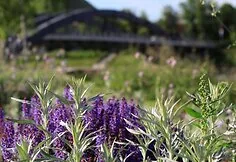
The mood of the flowerbed in the Sofija Kymantaitė-Čiurlionienė square is quite different. Traditional Lithuanian garden flowers grow here – lilies, rue, irises, peonies, bellflowers, and roses.
“All these flowers were also grown by Sofija Kymantaitė-Čiurlionienė herself. I learned this from her grandson,” said V. Marozienė.
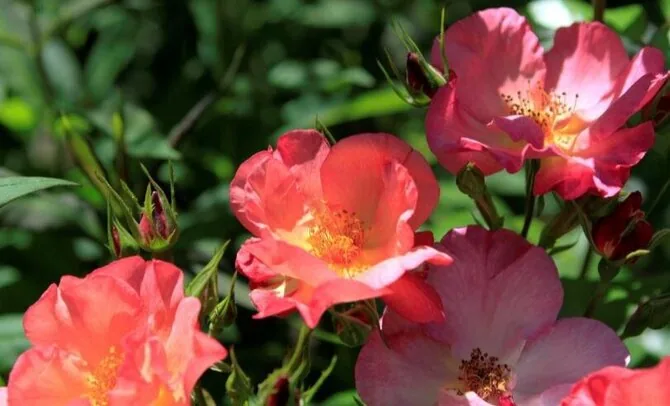
She was also interested in which plants were popular at that time.
The gardener noted that the colors of the flowerbed reflect the colors of two paintings that hung in Sofija Kymantaitė-Čiurlionienė’s bedroom – “The Tale of Kings” and “Sunset.” Both paintings were very dear to the genius’s wife: one depicted her hands, and the other reminded her of their last vacation together.
Each flowerbed has its own story
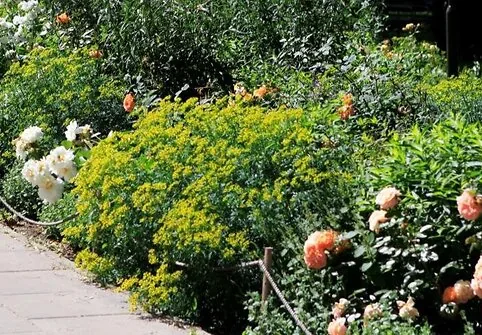
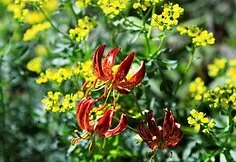
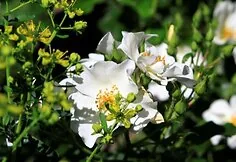
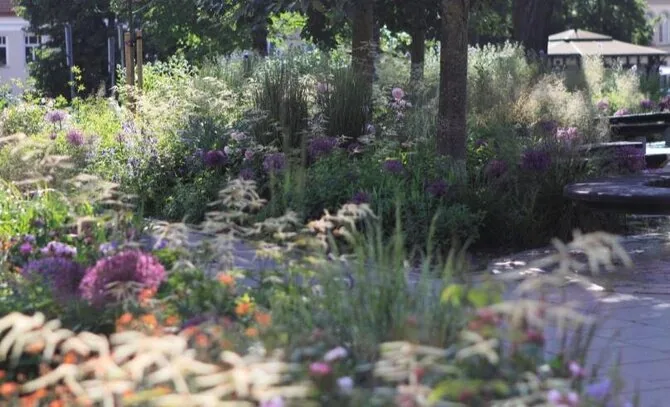
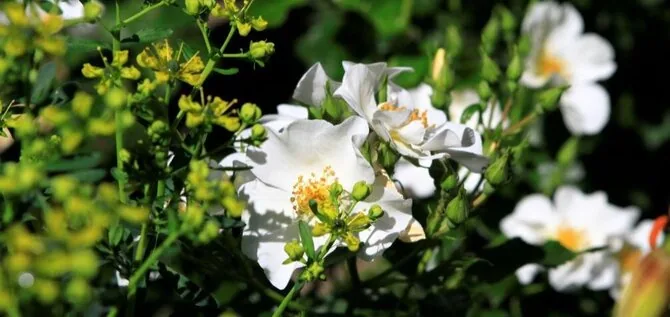
The flowerbed in Konstantinas Sirvydas square, according to the gardener, is ultramodern and multifaceted. It combines features of traditional flowerbeds and wildness. Various styles and scents intertwine here.
“It is a tribute to the 18th-century botanist Stanislovas Bonifacas Jundzilas. He was a professor of botany and headed the university’s botanical garden, which he significantly expanded and enriched with plant collections.
He studied the flora of Lithuania and surrounding regions, described plants, contributed to the development of botanical science in the region, expanded the Vilnius University botanical garden, and expanded plant collections, including plants of the genus Rosa (roses and briars). Thanks to him, the garden became one of the richest in Europe and an important center for plant acclimatization and research. A species of briar was named after him – Jundzilas briar (Rosa jundzillii Besser). Although today the scientific priority name is Rosa marginata, the plant is still often called Jundzilas briar in Lithuanian. This name was given to honor Jundzilas as one of the first authors of Lithuanian flora,” said V. Marozienė.
Together with plants popular in the 19th century, modern plant favorites also fit perfectly here – wood anemones, bellflowers, foxgloves, ornamental garlic, plautės, bellflowers, and broom grasses.
Flowerbed with medicinal herbs
The flowerbed near the Church of St. Archangel Raphael is located on the Šnipiškės promenade, near the VU STEAM center.
Read more In Turkey – Viktor Uspaskich’s «antics» with a famous influencer from Russia
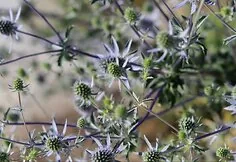
According to the city gardener, this is a dry flowerbed – it is hot, sunny, and the soil is mostly clay. Under such conditions, aromatic plants grow well, which are thematically connected to the church and the monastery that once stood here – monks often grew medicinal plants and herbs.
In this dry environment, eryngiums, bloodworts, sages, scabious, and daylilies thrive and decorate with their flowers.
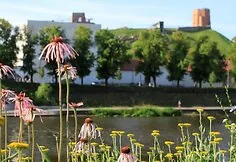
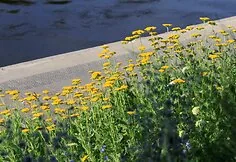
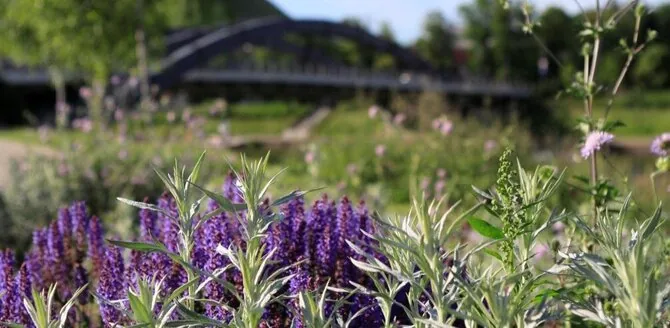
The flowerbeds on the banks of the Neris River also compete for the title of the most beautiful flowerbed. Some of them formed naturally, others were sown. Typical coastal and even seaside plants and flowers of wetter meadows grow here. On the shore, you can find echinacea, bloodworts, sages, sedges, bugleweed, and even seaside sundews.
Modernity and water theme
The concept of the greenery in Vingriai square was dictated by historical sources and the nearby MO Museum.
The greenery here waves like water but also looks modern. Yellow bloodworts, miscanthus, and misty plants perfectly emphasize the shapes of the sculptures here and harmonize with the plants in the MO Museum courtyard.
Baroque splendor
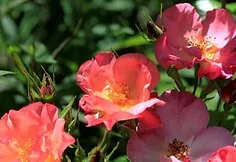
The flowerbed at the roundabout near the Church of St. Peter and St. Paul is completely different. “It is classic – baroque intricacy, round shapes, and splendor. The dominant colors of the flowerbed – white and red – perfectly emphasize the colors of the church complex and the red roofs,” noted V. Marozienė.
Organizations managing the parks of Vilnius, Riga, and Tallinn have been selecting the most beautiful flowerbed of the Baltic capitals for four years. This year, Vilnius presents six flowerbeds for the competition: the flowerbeds of Sofija Kymantaitė-Čiurlionienė, Vingriai, and Konstantinas Sirvydas squares, the flowerbed near the Church of St. Archangel Raphael, the flowerbeds on the banks of the Neris River, and the flowerbed at the roundabout near the Church of St. Peter and St. Paul.
Last year, the international commission was impressed by the rose garden of the Lithuanian National Opera and Ballet Theatre (which also won the sympathy of Vilnius residents), and earlier – the flowerbeds of Bernardine Park and the green spaces of the MO Museum.
The favorite of Vilnius residents without competition was the flowerbed at the roundabout near the Church of St. Peter and St. Paul (gathered 287 votes), second place went to the flowerbeds on the banks of the Neris River (108 votes), and third – the flowerbed in Konstantinas Sirvydas square (57 votes). A total of 562 votes were cast for the most beautiful flowerbeds on the “Participate! Vilnius” platform.
Read more Doctor warns about a dangerous disease: one bite – consequences for life