Based on the dietary recommendations for Americans, moderate alcohol consumption for women is defined as “one or fewer drinks per day,” while excessive consumption is defined as drinking at least four drinks at once. It is quite easy to exceed these norms, but how exactly do you understand when it is time to completely give up alcohol for a while?
Read more What can a future employer check in „Sodra“ and how is a lie in the resume revealed?
Sometimes it is difficult to decide whether to reduce alcohol consumption – especially due to common misconceptions and the belief that the problem only arises when we face serious consequences. So here are the signs you need to know.
You regularly miss out on positive activities
If things that bring you joy constantly suffer due to alcohol consumption, it is a sign that you might want to take a break. And we are not just talking about essential life aspects that make you feel good – such as a favorite job or family relationships – but also simple, everyday things.
It can happen that alcohol becomes more important than many daily activities you enjoy: a phone conversation with loved ones, a walk with the dog, or a quiet evening at home with family. When you start giving up these positive hobbies and activities because of alcohol consumption, you may notice changes in your well-being and sense of happiness. Although at that moment it may seem that alcohol will provide the same calm and joy as those hobbies or self-care, in reality, it can be quite different.
You feel the desire to leave your comfort zone
If you begin to realize that the comfort zone is not the best place for you, perhaps you are ready for major life changes and a break from alcohol consumption. When you frequently drink and get stuck in a daily routine, it is easy to feel too comfortable and lose the desire to change anything. Over time, you may start to think that by staying in your comfort zone, you will never achieve your dreams and goals, especially considering that such comfort often hinders progress.
This is exactly where change is needed – one of which could be the decision to abstain from alcohol for a while. Life is about trying new things, taking risks, and learning new lessons. Giving up alcohol can also help on this path to new experiences and overcoming fears, as you will have more time, energy, and resources to fulfill your dreams.
Alcohol takes up a lot of space in your mind
If you spend a lot of time every day thinking about alcohol, it may be a sign that you should reduce your consumption. You might not even realize how many little details you arrange in your mind while planning the next time you will drink, but if you spend a lot of time thinking about the next drinking occasion, it might be time to take a break. You can also think about alcohol the morning after a party or after a few drinks – even if you feel bad or suffer from severe hangovers.
Maybe you only drank a small amount of alcohol, but the next day you still think about wanting more. Regardless, it is not typical for people to spend hours thinking about drinking, so it is worth considering taking a break if you spend more time than you would like to admit dreaming and planning the next time you will consume alcohol.
You create drinking rules
Maybe you have made a list of rules for alcohol consumption: for example, only drinking after 5 p.m., choosing only beer and wine, or allowing yourself to have more than one drink when socializing with others. This may indicate that deep down you believe that if you do not set rules for yourself, negative consequences may arise. Such rules can vary: for example, marking on a calendar or sticking stickers when you drink and abstain from alcohol, choosing only certain drinks, not having alcohol at home, etc.
At first, these rules may work – and even show that you are simply a responsible alcohol consumer! However, attempts to control what, when, where, or how you drink may only help for a while, especially if your relationship with alcohol is unhealthy and requires more than just a short break.
You consume alcohol daily
Daily alcohol consumption – or drinking more than three times a week – is another sign that you might want to take a break. If you worry that daily drinking could develop into a more serious problem in the future, you can try abstaining from alcohol for at least a week and observe how you feel.
Many people who need alcohol detoxification do not even realize how much they need a break until they take one. Pay attention to how you feel after giving up alcohol. For example, do you feel bad or notice any unusual sensations? You may be experiencing withdrawal symptoms – a sign that you have a harmful habit that should be eliminated.
Your life becomes unmanageable
If you notice that your life is becoming increasingly difficult to manage, pay attention to your alcohol consumption habits and assess whether alcohol is the main cause of your problems. In everyday life, you may not notice that alcohol consumption harms your health, financial situation, communication with people, relationships, and other areas of life.
However, looking at your life from the outside and assessing the overall picture, you may realize that alcohol negatively affects these personal life areas. For example, are you drowning in debt because you visit the local bar daily or several times a week? Is your physical health suffering due to constant hangovers? If you answered yes to any of these questions – or any other question you felt the need to ask yourself – it may be a sign that the best solution is to take a break and give up alcohol.
You notice physical changes
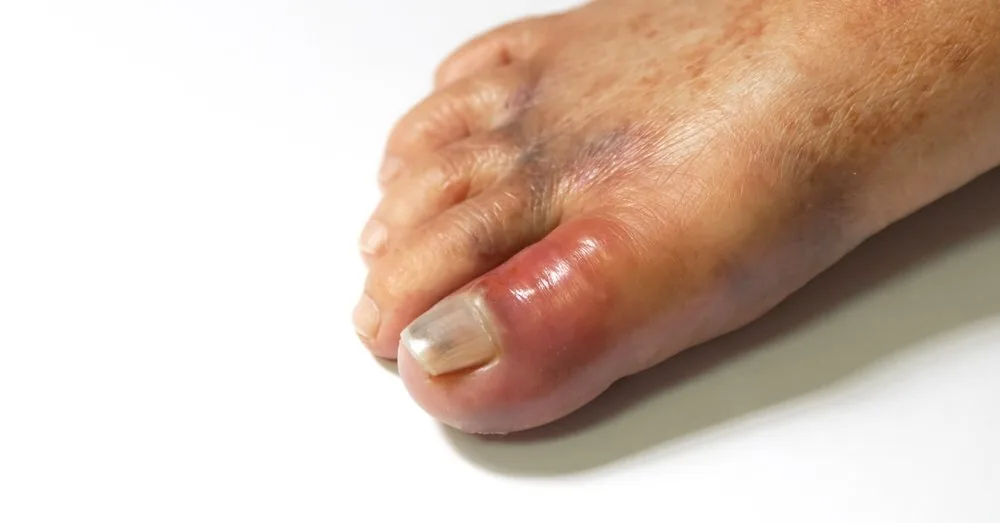
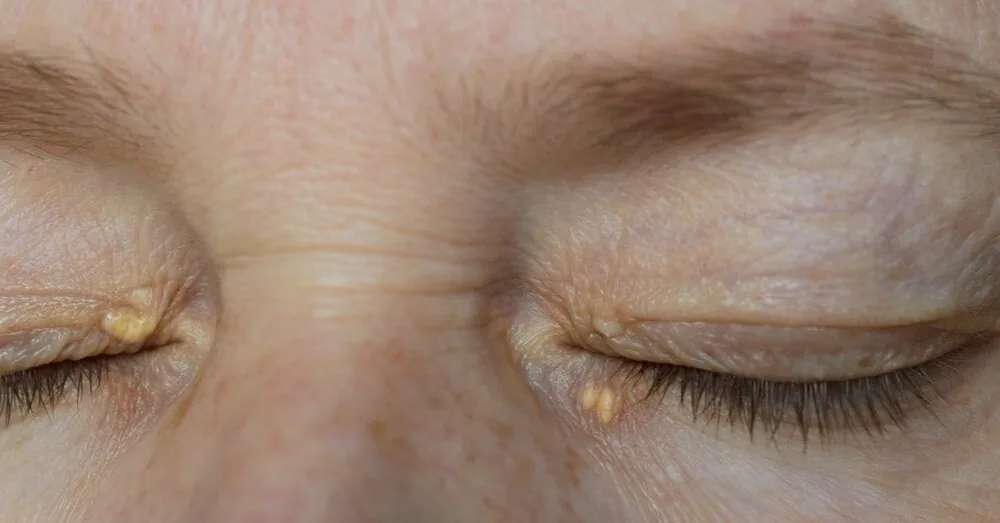
There are signs indicating that the body signals the need to take a break from alcohol consumption: for example, changes in skin condition and weight, tingling, numbness, and heartburn. Other possible health problems or physical changes caused by alcohol abuse include stomach disorders, nausea, vomiting, headaches, fatigue, lack of energy, poor sleep quality, increased susceptibility to illness, night sweats, yellowing of the eyes and skin, and hair loss.
Alcohol can lead to weight gain because it stimulates appetite and interferes with the body’s ability to burn carbohydrates and fats (not to mention that the drinks themselves are high in calories and sugar). On the other hand, long-term alcohol consumption can cause weight loss and loss of appetite due to liver inflammation. If you feel numbness or tingling, especially in the extremities, it may be a sign of alcoholic neuropathy (according to Healthline).
You may also suffer from stomach problems such as bloating, stomach pain, or pain under the ribs. Fatigue is another common symptom of alcohol abuse, arising from poor sleep quality. In short, if you feel bad (and notice these changes), alcohol may be to blame.
Those around you start to worry
Another sign that it is time to reduce alcohol consumption is concern from those around you and the remarks they make because of it. They may notice that you make them feel uncomfortable at events or remind you of behavior you do not remember because you were blacked out.
Some friends or family members may avoid talking about this topic directly to avoid offending you, while others may openly ask you to drink less or quit alcohol altogether. Whatever the case, when loved ones start talking about your drinking habits, it is worth listening. Try not to react defensively and listen with understanding (no matter how difficult it may be!).
You feel ashamed of your behavior when drinking alcohol
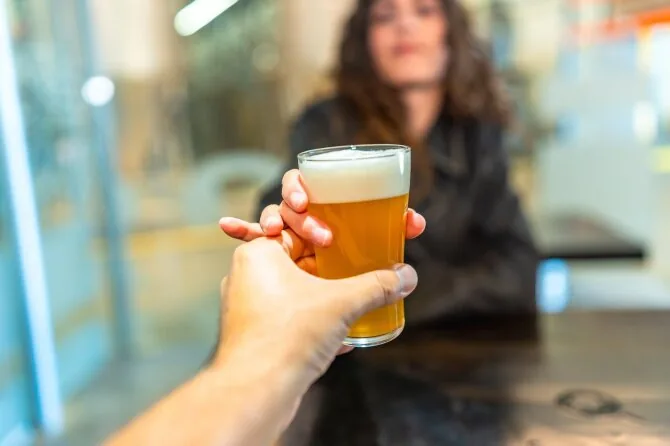
Have you ever felt ashamed of how you behaved while drinking alcohol? Maybe you even told yourself that you would drink less or quit alcohol completely, but instead, you choose to continue the drinking cycle and numb the feeling of shame with increasing amounts of alcohol. Whether you become aggressive when intoxicated, send messages to a toxic ex-partner, argue with loved ones, or simply behave completely out of character – if your behavior while drinking does not reflect your true personality, it is a sign that it is time to reduce alcohol consumption.
Read more European rights institution doubts World Cup transparency, urges FIFA to protect the next tournament
Of course, it can be difficult to learn to experience emotions without suppressing them with alcohol or other substances. However, sometimes experiencing negative emotions is necessary for life and the healing process. Take a break and give up alcohol at least until you understand these complex emotions.
Frequent memory loss
If you regularly lose consciousness due to alcohol consumption and have difficulty remembering what happened, it is probably time to say goodbye to alcohol for a while. Frequent memory loss is one of the biggest signs that alcohol consumption has become excessive. Memory loss after drinking can cause strong emotions and anxiety about what you said or did while drinking.
Regular memory loss can also affect your relationships with friends, family members, and other loved ones, especially because excessive alcohol consumption can affect your decision-making skills and character. Since you do not remember what happened, it can be difficult to apologize or take responsibility for what you said or did during memory loss.
Not to mention that memory loss simply harms your health – physically, mentally, or emotionally. It can also be dangerous, considering that a person can still be fully conscious during memory loss; they just will not remember what happened the next day.
You drink alone or hide that you consume alcohol
If you often drink alone or do so secretly, it may be time to take a break and give up alcohol. The desire to hide your habits may indicate that you feel ashamed of your alcohol consumption and want to conceal it from people you care about or who have previously noticed your drinking.
However, hiding drinking can only intensify feelings of shame and anxiety that friends and loved ones will find out you drink alone. These feelings can create a vicious circle: to suppress them, you start drinking even more. The most important aspect here is secrecy: if you feel the need to hide alcohol consumption, it may indicate that deep down you understand that something needs to change.
You do not get enough sleep
Do you notice that when drinking alcohol, you have to wake up in the middle of the night? There is a misconception that alcohol helps you sleep better because it can cause fatigue. In fact, the opposite is true: alcohol often disrupts sleep and suppresses the REM sleep phase (considered the deepest stage of sleep). As a result, you feel much less rested in the morning. “Alcohol is a diuretic – which means it causes the body to lose fluids,” explains Dr. Brian Fisher to the Daily Express. “So it is no surprise that after drinking heavily in the evening, you have to get up at night to use the bathroom, sweat, and wake up wanting to drink water due to dehydration.”
Try giving up alcohol before bed and observe whether it affects how you feel upon waking. You may find that you rest so well that the desire to drink alcohol before bed disappears completely.
You are unable to fulfill your duties
Another sign that it may be time to take a break from alcohol is when it interferes with fulfilling commitments and duties both at home and beyond. This is especially relevant if you are usually a very productive person who easily manages daily tasks.
If you notice that due to excessive alcohol consumption and hangovers you can no longer perform your duties and commitments as usual, it is worth reviewing your habits. Pay particular attention if work commitments, household chores, various errands, scheduled meetings, or daily activities are pushed to the background.
By giving up alcohol for a certain period, you will gain time and energy to complete important tasks and assess the place alcohol occupies in your life. You may find that after experiencing how much energy and productivity this break provides, you decide not to return to alcohol consumption at all!
You cannot let go of the glass
Is it hard for you to stop drinking once you start? If you cannot limit yourself to one or two drinks and once you start tend to drink excessively, it is probably time to take a break. The inability to let go of the glass or stop drinking once started may indicate that you find it difficult to control the impulse to consume alcohol at that time.
To adjust habits, slowing down and taking a step back can help. Sometimes you may notice that you drink more than usual and feel the need to stop before the situation becomes uncontrollable. Taking a break can help you return to moderate consumption and not cross the line once you start drinking in the future.
You experience unpleasant sensations when not drinking
If you notice withdrawal symptoms such as anxiety, nausea, depression, fatigue, irritability, sleep disturbances, loss of appetite, or tremors anytime you do not drink, it is a sign that you should take a break from alcohol and allow your body to detoxify.
Long-term alcohol consumption can also have worse effects on the body, such as causing liver problems and high blood pressure. Dizziness is a common withdrawal symptom caused by the body’s inability to properly regulate heart rate and blood pressure, along with dehydration that often accompanies drinking. In the initial stage, stopping drinking may also cause vomiting or nausea. Withdrawal symptoms can appear eight to 72 hours after the last alcoholic drink. If you notice any withdrawal symptoms when not drinking, a break may be necessary to return to a healthy state.
You are always among people who also consume alcohol
Many people prone to alcohol abuse usually spend time with other drinkers. If you choose such a group of friends because it is easier to drink with them – even when you feel the need to take a break – the situation can become complicated. If you try to abstain from alcohol for a while but constantly return to the habit of drinking more than you want due to friends’ influence, it is worth temporarily limiting contact with certain people.
Maybe you like drinking in company because you tend to consume alcohol only when socializing, but if your friends do not feel the need to take a break, it may be difficult for you to do the same. If you notice such a behavior pattern, a great idea is to temporarily give up alcohol and evaluate your relationship with it (and perhaps with the people you drink with).
You do not trust your intuition
Do you procrastinate decisions you know you must make and overthink every choice? If you find it difficult to follow your instincts and trust your intuition, it is a sign that you should take a break from alcohol – this way you can make decisions with a sober mind. Maybe you have to make a difficult decision, and the stress caused by the situation increases the desire to drink. Temporarily giving it up and thinking through the situation makes it easier to maintain clear thinking.
Ultimately, a break from alcohol will allow you to look deeper into yourself, making it much easier to make decisions based on what both your mind and heart consider the right choice.