









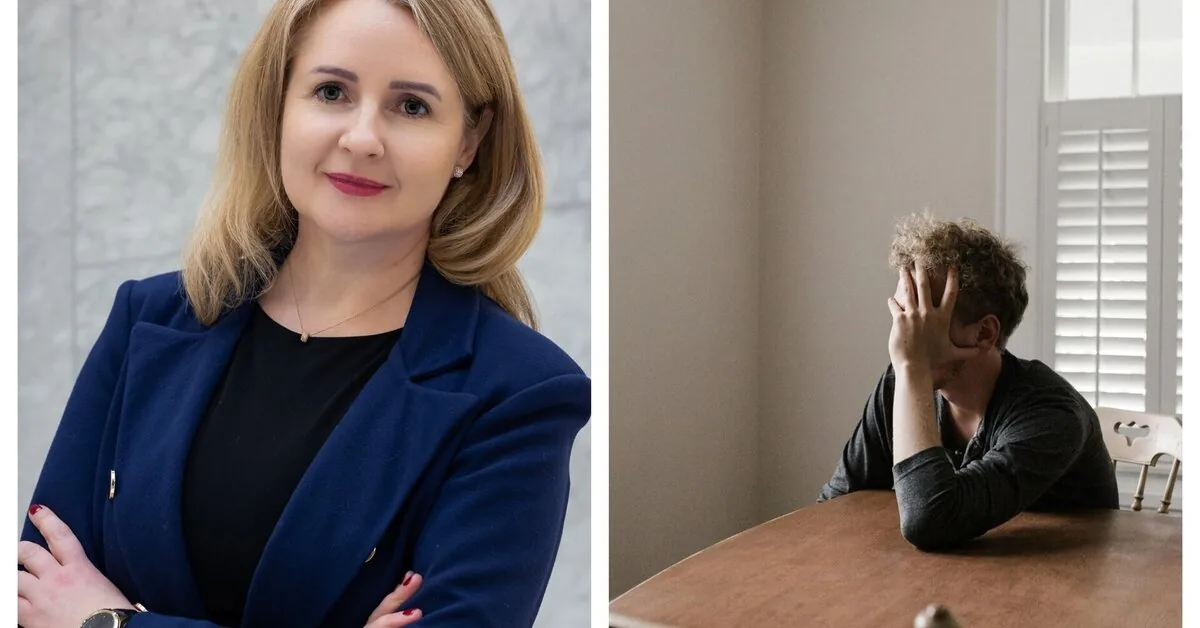
According to the director of the Republican Center for Addiction Diseases (RPLC), Dr. Aušra Širvinskienė, gambling addiction is a dangerous form of addiction because the risk of suicide in this case is particularly high: “Studies show that up to 75% of people with a pathological craving for gambling may experience suicidal thoughts.”
People usually seek help not when the problem begins, but when it can no longer be hidden, i.e., when huge debts appear, relationships collapse, the person can no longer withstand the tension, or starts thinking about withdrawing from life.
Gambling has an acceptable “facade”
According to the head of RPLC, gambling addiction is much harder to notice than addiction to alcohol or other psychoactive substances.
“When consuming alcohol or other psychoactive substances, certain physical signs gradually become apparent. But in the case of gambling, behavior can appear normal for a long time,” explains Dr. A. Širvinskienė. “Gambling has a more acceptable ‘facade’ – it’s entertainment, risk, investment. Therefore, gambling addiction is one of the hidden addictions. A person may appear physically functioning, while the problems occur inside.”
Addiction diseases remain among the most stigmatized mental illnesses to this day.
She also points out that addiction diseases remain among the most stigmatized mental illnesses. Research shows that up to 70% of other mental illnesses are less stigmatized in society than addiction diseases.
Shame pushes a person into even greater secrecy
People who have an addiction disease hide it for a long time. Over time, this secrecy begins to destroy relationships and alienate the closest people. Dr. A. Širvinskienė notes that a person begins to live a double life, i.e., even if physically present in the family, emotionally they drift further away.
At the same time, a strong feeling of shame arises, which activates so-called “brakes” – denial, attempts to convince oneself and others that the situation is not that bad yet. “The person thinks, ‘I can still handle this myself.’ There is a fantasy that ‘maybe someday I will really win back and control everything,’” the specialist says.
According to her, it is precisely shame, fear, financial crises, collapsing relationships, problems at work, and societal stigmatization that often prevent a person from seeking help in time.
What happens in the brain?
Our society still tends to see people addicted to gambling as weak or irresponsible, although it is a mental illness.
“We do not single out other diseases like this, but people with addiction diseases are marked. As the French philosopher Michel Foucault said, this was how lepers were talked about before, and when leprosy disappeared, the need to separate something remained and shifted to the mental sphere,” explains the RPLC director, emphasizing that gambling addiction is not a lack of willpower or simply bad decisions.
Read more A unique prize will be awarded to the winners of the World Football Championship
It is a biologically based disease that affects brain function. In other words, it is a mental health disorder.
According to Dr. A. Širvinskienė, the brain’s reward system is activated during gambling: “The nerve cell structure in the brain that determines behavior is constantly stimulated, causing regulatory process disorders. As a result, it becomes increasingly difficult for a person to experience natural satisfaction in everyday life, while tension and emotional exhaustion only increase.
Very often, as the specialist notes, a person also has comorbid disorders – depression, problems with alcohol or other psychoactive substance use. These can be consequences of gambling due to constant stress, tension, and risk.
Relatives often try to help, but it is not enough
Usually, help is first sought not by the addicted person but by their relatives. A. Širvinskienė notes that in some cases, family or partners try to bring the person to treatment, while in others, the person seeks help only when completely alone and when those around have turned away.
There is no need to moralize, blame, or try to “fix” a person’s life for them.
According to her, relatives often try to save the person by covering their debts, but this does not solve the problem and often only allows the addiction to continue.
She also urges friends and relatives not to moralize, blame, or try to “fix” a person’s life for them, as this usually only encourages hiding and withdrawal even more.
It is very important to create a safe environment to talk about the problem and show that seeking help is not a weakness. “The addicted person usually cannot help themselves. Yes, there are exceptions, but for most people, overcoming addiction without help is very difficult,” the interlocutor says.
Recovery does not end with treatment alone
Dr. A. Širvinskienė reminds that the first step should be to contact a mental health center according to the place of residence, where a person can receive psychiatrist help and, if necessary, be referred for further treatment.
However, according to her, not only the treatment itself is very important but also how the person lives afterward: “It is very important to engage in alternative activities that provide meaning and help restore social connections. It is also very important to share your experiences and not remain alone with what is happening.”
Funded by the State Public Health Promotion Fund (state budget) funds.
Read more Memorial plaque dedicated to the Baltic Way unveiled in Paris