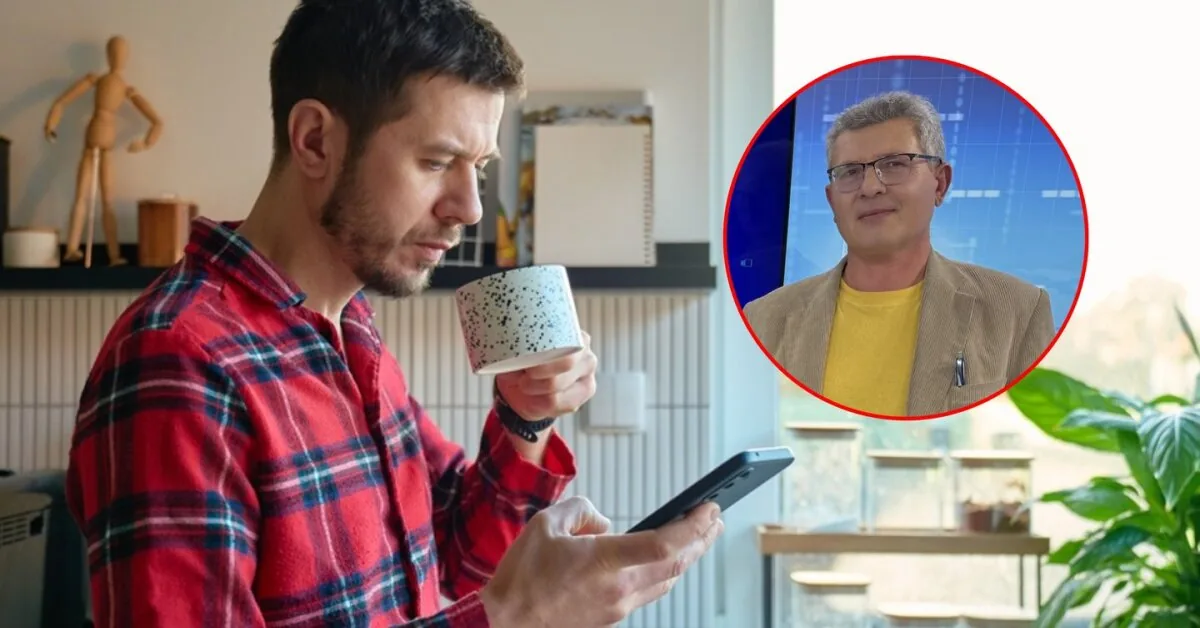
After a moment, an inexplicable heaviness appears in the chest – a feeling that something is missing in life. Growth coach Asta Raudonienė notes that in summer, with the holiday season starting, such observation of someone else’s life becomes especially toxic, according to a press release.
Read more How not to get lost among notes and TikTok: apps for high school graduates before exams
We compare ourselves to fragments, not reality
A. Raudonienė emphasizes that social networks have fundamentally changed our self-esteem mechanism. If before we compared ourselves to neighbors or colleagues, today we compete daily with hundreds of carefully selected, retouched moments from around the world.
“We pay attention to the most beautiful evening of a trip, but do not see the conflict an hour before the flight or the emotional tension when all work in the office was being finished until midnight so that the vacation could happen at all. We see an idyllic picture of rest by the palms, under which often hide both fatigue and disagreements about different holiday expectations. We see the result, but almost never see the whole process and the price that person paid for this shot,” says the coach.
According to her, the problem is that our brains quickly forget this difference and emotionally react as if this were the full reality of the person. During holidays, this distorted image becomes especially dangerous because it creates the illusion that while you are just “resting” with all the real disturbances, everyone else lives more interestingly, more luxuriously, and without any effort.
“A person begins to feel that their vacation is ‘insufficient,’ and their reality is gray, even though it can objectively be successful and fulfilling. Emotionally, people often react as if their ‘simple’ rest is a defeat compared to someone else’s staged moment,” says A. Raudonienė.
We forget what we really want ourselves
The most dangerous part of this process is the lost connection with our true desires. When we constantly watch others’ holiday pictures, we turn away from ourselves and no longer think about what kind of rest we really need. Often we start planning trips not to rest but so that they “look good” on our own profiles.
“The more a person compares themselves to others, the harder it becomes to hear themselves. Instead of asking ourselves whether I want peace at a cottage this summer or active mountain climbing, we start questioning why my vacation does not look as luxurious as others’. Then it is very easy to start pursuing not your own goals but simply trying to approach someone else’s life standard,” warns A. Raudonienė.
Read more Austrian jihadist who planned an attack at a Taylor Swift concert sentenced to 15 years in prison
According to the coach, the paradox is that even those who demonstrate the greatest self-confidence on social networks often feel the same pressure. If the quality of your vacation depends on how many people see and appreciate it, you are not resting but simply creating an external image and drifting away from yourself.
“The more value we associate with how we look in the eyes of others, the more our inner stability collapses. If after returning from an expensive vacation you feel emptiness, it may be that all that time you were fulfilling someone else’s dream, and your own need just to sleep or be in silence was left aside,” shares the coach.

Solution: hear your desires
A. Raudonienė says that today one of the most important psychological competencies is the ability to step back in time and consciously remind yourself: what I see on the screen are only fragments. A selected version of life, which includes fatigue, doubts, and conflicts, but they remain off-camera.
“Nowadays, it is probably impossible to completely detach from social networks and other life observations. However, it is possible to learn to critically evaluate the content consumed. Before starting to plan another vacation or feeling bad because your summer looks too simple, it is important to return to yourself and ask: did this desire come from my inner need, or was it formed by a long-observed image of someone else’s life,” says A. Raudonienė.
According to her, true self-confidence and peace during holidays arise not when your photo gets the most “likes,” but when it feels good to live your life even when the phone is off.
“Real life happens where there are no camera flashes, and your value does not grow with the number of views. If you feel the need to document every step to prove to yourself or others that you are resting successfully – it means you are still seeking external validation. The quality of a vacation is not determined by the image on your followers’ screens but by how much inner peace you bring home. The ability to enjoy being here and now, without waiting for ‘likes,’ is the greatest modern luxury,” concludes A. Raudonienė.