The head of the Center for Geopolitical and Security Studies, Linas Kojala, drew attention to the results of two recent surveys conducted in Ukraine and presents the most interesting facts from them.
What the surveys show
What do Ukrainians think? New interesting surveys conducted by KIIS (July 16-31) and SOCIS (July 28 – August 2):
Strategic optimism. 82% of Ukrainians believe in the ultimate victory of Ukraine, and 63% see the country in ten years as a prosperous EU member (KIIS). However, 56% said the country is moving in the wrong direction. (SOCIS)
Victory for Ukrainians does not necessarily mean a quick liberation of all territories. 35% consider the most likely scenario to be a halt in fighting along the front line and a long diplomatic process, 21% – continuation of the war until political changes in Russia. 15% chose the restoration of the 1991 borders, 12% a peace agreement recognizing the loss of Donbas and Crimea, and 9% the restoration of the borders as of early 2022. (SOCIS)
A quick end to the war is expected by a minority. About one-fifth think the war could end by the end of 2026, another 13% – in the first half of 2027. 39% expect the war to end only in the second half of 2027 or later. (KIIS)
The European and Euro-Atlantic direction remains strong. In a referendum, 69% would vote for EU membership, 61% for NATO membership.
Who they trust
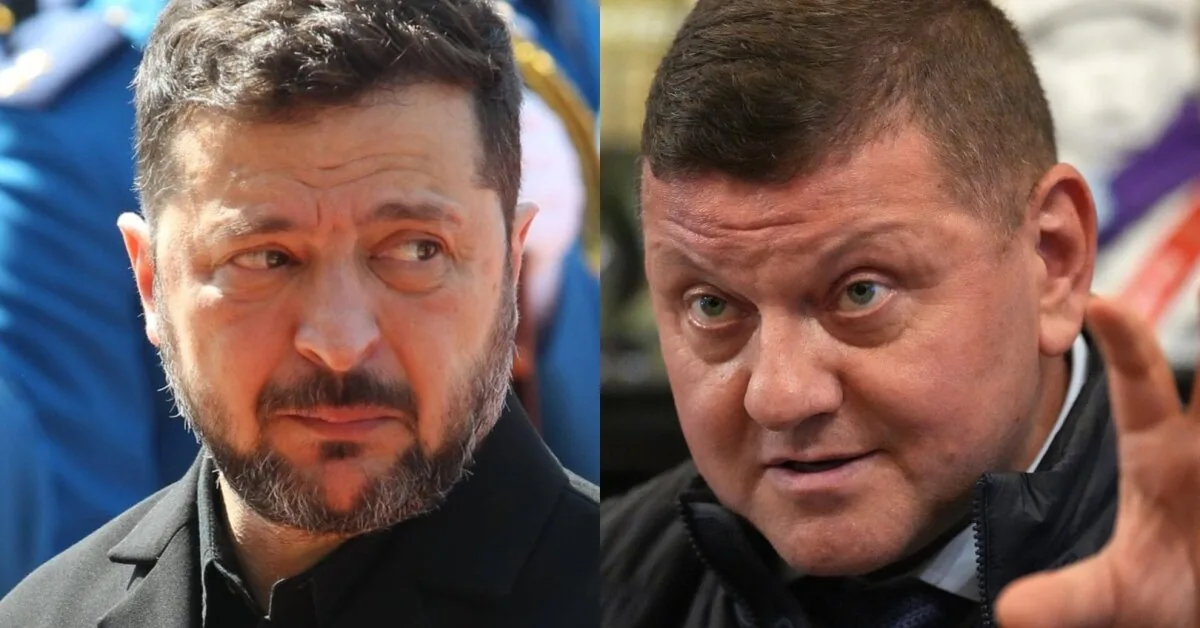
Both studies almost identically indicate the actors with the highest trust. Former army commander Valerii Zaluzhnyi is trusted by 66%, former defense minister Mykhailo Fedorov by 63%, head of the Presidential Administration Kyrylo Budanov by 61%. The controversial July dismissal of M. Fedorov saw a surge in popularity: trust in him rose from 50% in May to 68%. (KIIS)
President V. Zelensky is trusted by 56%, distrusted by 38%. In a hypothetical first round of presidential elections among decided voters, Zelensky would still lead slightly – 22% (V. Zaluzhnyi 21%, M. Fedorov – 13%, K. Budanov – 8%). In the second round, Zelensky’s position would be more difficult. Among decided voters, Zaluzhnyi would defeat him 66% to 33%, Fedorov 64% to 36%, Budanov 60% to 40%. However, Zelensky would defeat Petro Poroshenko. (SOCIS)
The main source of domestic dissatisfaction is corruption. 90% consider the level of corruption high or very high. 60% named remaining corruption as one of the biggest problems of the government. (SOCIS)
Elections, which do not take place during the war due to constitutional prohibition, are associated with the end of the martial law. If temporary ceasefires were reached and martial law lifted, 62% would want elections held, 26% would suggest postponing them for some more time. (SOCIS)
Read more Iran after Donald Trump’s statement: the Strait of Hormuz is controlled by Tehran, not the USA