








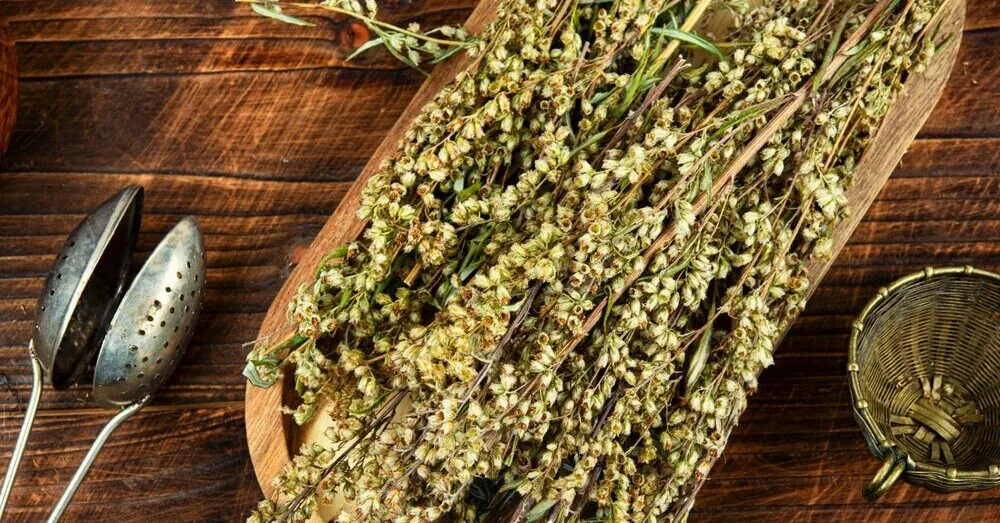
This wild plant was valued not only for its strong aroma but also for its many practical uses in the home. From repelling moths to protecting pantries, wormwood has been an indispensable helper in every home for centuries.
Read more Minister: diesel excise duty relief would be considered if oil price reached 100 US dollars
Today, wormwood can also be successfully used in the home, but it is important to do so responsibly and for its intended purpose. Here are the most popular ways to use wormwood.
Moth repellent
Dry wormwood branches are often placed in wardrobes. The sharp natural aroma of the plant helps to repel moths, so wormwood is used as a natural alternative to chemical air fresheners. It is recommended to change wormwood bundles every few months when the scent weakens.
Pantry protection from insects
Our ancestors would place wormwood in dark pantries, cellars, and places where grains or vegetables were stored. Its scent helped to repel pests that could spoil food supplies.
Natural remedy for ants
If ants start to gather near outbuildings or garden paths, dried or fresh wormwood can be used. It is placed in areas of highest insect activity to repel them with its sharp aroma.
Mosquito protection
Bundles of dried wormwood are often hung near terraces, gazebos, or open windows. While this does not guarantee complete protection, the intense scent helps to reduce the number of flying insects around.
Aromatization of utility rooms
Dried wormwood is used for natural freshening of vegetable sheds, attics, and auxiliary rooms. The plant effectively eliminates mold and musty odors and fills the space with a characteristic herbal aroma.
Use in the sauna
Sauna enthusiasts weave a few wormwood branches into their whisks or hang them in the steam room itself. Under the influence of hot steam, essential oils begin to actively evaporate, creating a rich natural aroma.
Composting
Wormwood can be added to the compost bin in small quantities. However, due to the high concentration of biologically active substances, large quantities should not be added, so as not to slow down the decomposition process of organic matter.
Read more Germany and Azerbaijan seek closer cooperation in the energy sector
Mulch for ornamental plants
Shredded dry stems are sometimes used as a thin layer of mulch around ornamental plants. Such material helps to reduce moisture evaporation and partially inhibits the germination of some weeds.
Folk customs and beliefs
In many regions, wormwood was considered a protective plant-amulet. It was hung at the entrance to homes or placed under the roof, believing that it would protect the home from misfortunes and evil people. This is part of folk traditions, without scientific basis, but remaining an element of cultural heritage.
Decorative compositions
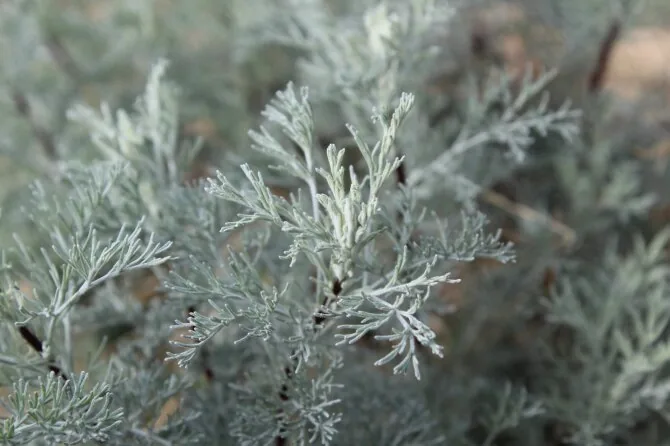
Wormwood has beautiful silvery-green leaves that retain their shape perfectly when dried. For this reason, it is often used in dry bouquets, wreaths, and other interior decorations.
How to dry wormwood correctly?
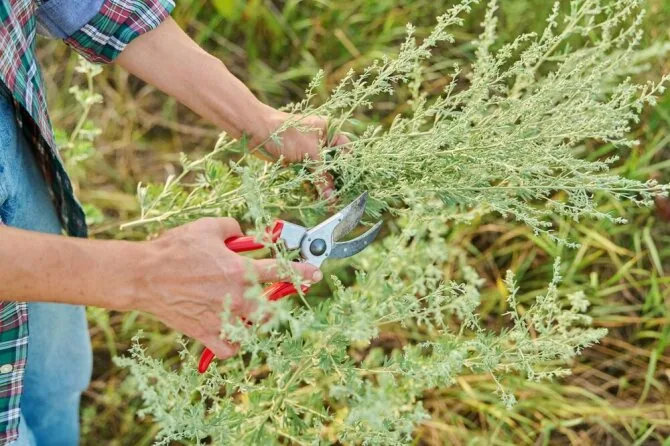
The plant is best collected in dry weather when there is no dew on the leaves.
Wormwood is dried in small bundles in a shady, well-ventilated room, protected from direct sunlight.
The dried plant is recommended to be stored in paper bags, cloth bags, or cardboard boxes.
It is important to remember that wormwood contains active natural substances, so its use for medicinal purposes without consulting a doctor or pharmacist is not recommended.
Pregnant women, children, and individuals with chronic diseases or allergies should be especially careful.