If your tomatoes are not turning red, don’t worry, there are a few things worth knowing, writes “Southern Living”.
Not only red tomatoes
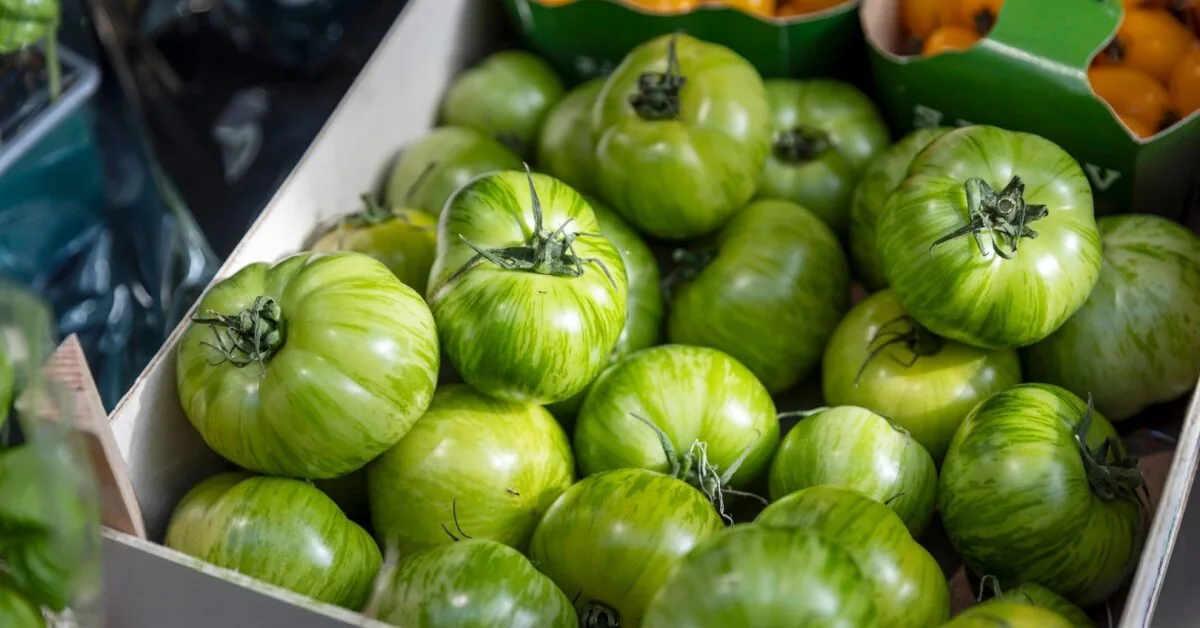
Tomato varieties can be different colors – from red to yellow, green, purple, gold… A vivid array of shades! Before concluding that your tomatoes are not ripening, check what color they should be when ripe.
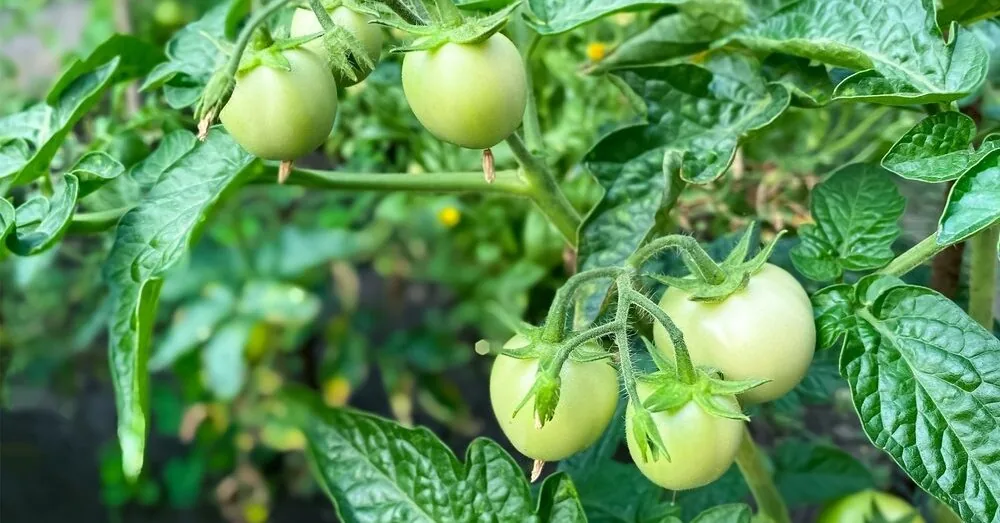
Moreover, growing tomatoes is a slow process. Developing fruits need six to eight weeks from flower pollination to fully ripen. The time it takes for fruits to ripen varies depending on the tomato variety, but sometimes there are other factors. Understanding how weather conditions, soil nutrition, and plant care affect fruit development will help you solve ripening problems.
Temperature
Temperature is one of the most important factors limiting fruit set and ripening. In summer, temperatures often exceed the optimal range for tomato ripening (from 20 to 25 °C). In autumn, temperatures usually drop below this threshold. Deviating from the ideal temperature slows down the ripening process. Especially high heat stops ripening because when the temperature rises above 29-32 °C, the pigments responsible for color – lycopene and carotene – are no longer produced.
Additionally, due to heat stress, plants direct energy not to fruit ripening but to survival, for example, growing deeper roots.
Excess nitrogen
When plants do not grow as expected, gardeners often resort to fertilizers or watering hoses, hoping to encourage their yield. However, this harms fruit ripening. Although tomatoes need many nutrients, excess nitrogen fertilizer promotes leaf growth at the expense of flowers and fruits. Tomato nitrogen needs change as they grow: more is needed in the early rooting and vegetative growth stages. Excessive watering also slows fruit ripening by reducing air circulation in the soil.
When tomatoes do not ripen, water regularly to keep moisture consistent and fertilize according to plant development. Fertilizers low in nitrogen, high in phosphorus, and moderate or high in potassium are beneficial for tomatoes. Fertilize for the first time when preparing the soil for planting, using complex fertilizers. Fertilize again when the first tomato reaches the size of a golf ball.
Sunlight
Although tomato plants need sun for the best harvest, the fruits themselves do not need sunlight to ripen. In fact, too much direct sunlight burns developing fruits and increases the temperature in the plant canopy, which slows pigment formation. Sunlight promotes flower and fruit development through photosynthesis, which occurs in the leaves. Direct sunlight is needed by the foliage, not the fruits. Therefore, pruning the foliage does not help fruits ripen. Leave the leaves in place (of course, a dense leaf canopy is also not a good solution) so the plant gets energy and cools the developing fruits.
When it comes to tomato ripening, the best solution is patience. Still, gardeners can sometimes speed up this process and apply methods that direct the plant’s energy to fruit development.
Read more Ukraine attacked a powerful Russian oil base for the third time in a row
Tomato pruning methods
Pruning tall tomatoes helps fruits develop better by limiting excessive foliage growth, which diverts the plant’s energy from fruit formation. Pruning also reduces the number of fruit-bearing branches, so the plant is not overloaded with too many fruits.
When the plant sets too many fruits, thinning them can reduce competition for water and nutrients. Also, pruning improves air circulation among the leaves, reducing the risk of leaf diseases and keeping plants healthier.
As it grows, the tomato produces a main stem from which axillary shoots and fruit clusters form in the leaf axils (the place where the leaf joins the stem).
It is best to remove axillary shoots, and thicker shoots are better cut with pruning shears. You can also remove the lowest leaves to reduce the risk of fungal diseases and competition for water and nutrients.
It is best to remove axillary shoots while they are still small. Regularly inspect the stem – remove new shoots as soon as they appear.
Store harvested tomatoes indoors at room temperature. Do not store tomatoes in the refrigerator (even fully ripe ones) because their taste deteriorates.
So the conclusion is simple – first, be patient. Tomatoes take a long time to ripen, but the taste is worth the wait. Also – do not overwater, do not overdo fertilizers, prune regularly but do not strip the plant, and know well what you are growing. Maybe you are waiting for tomatoes to turn red, but actually, they are ripe when green? That is why it is worth learning about varieties and waiting for a colorful tomato harvest.
Read more Russia banned cargo transportation by trucks registered in Estonia