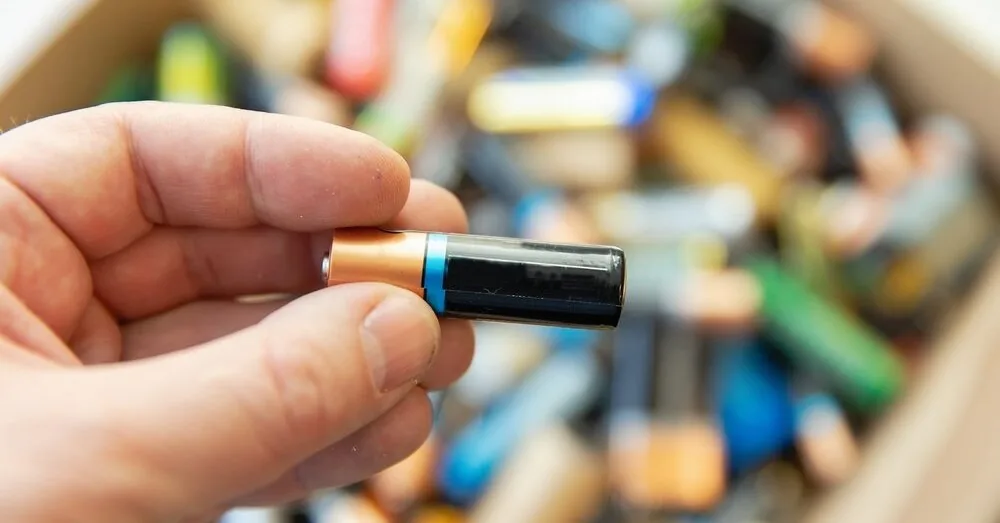
The modern classification of battery names and sizes emerged before World War II.
Read more For the first time, Olympic Day will be held in Jonava
After World War I, US engineers realized that a standardized battery system was essential to ensure efficiency and that it would be impractical if each company used different batteries for its products.
In 1924, representatives of US industry and government met again to establish a naming system for a standardized battery system.
They decided to base it on the alphabet, naming the smallest cells A, and the larger ones B, C, and D.
After World War II, battery technologies changed and improved, and smaller batteries appeared on the market. Since there are no letters before A in the alphabet, it was decided to name these new battery sizes by adding letters after A.
In other words, AA batteries are smaller than A batteries, and AAA batteries are smaller than AA batteries.
These new batteries were perfectly suited for the growing consumer electronics industry and quickly gained popularity.
C and D type batteries also found their niche in devices consuming more power.
The smallest existing batteries under this system are AAAA batteries, used in some small devices, such as laser pointers.
Read more Will Putin’s decision be costly? Russia is predicted to face even greater failures
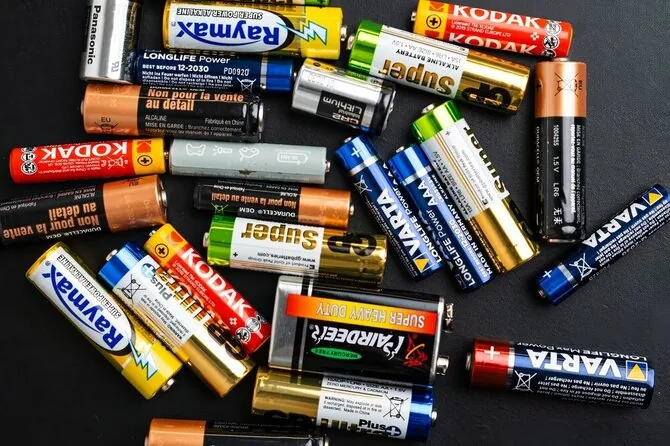
However, this system is only used for “standard”, i.e., cylindrical batteries.
To this day, C-type batteries (also marked as R14 batteries in Europe and Lithuania) and D-type batteries (also marked as R20 batteries) can be found in everyday use. But where did A and B type batteries go?
They simply went out of demand. After their creation, they were mainly used in early radio sets and other devices that operated with vacuum tubes. These antique radios required two different batteries to operate: A and B.
As technology advanced and transistors replaced vacuum tubes, A and B batteries gradually fell out of use.
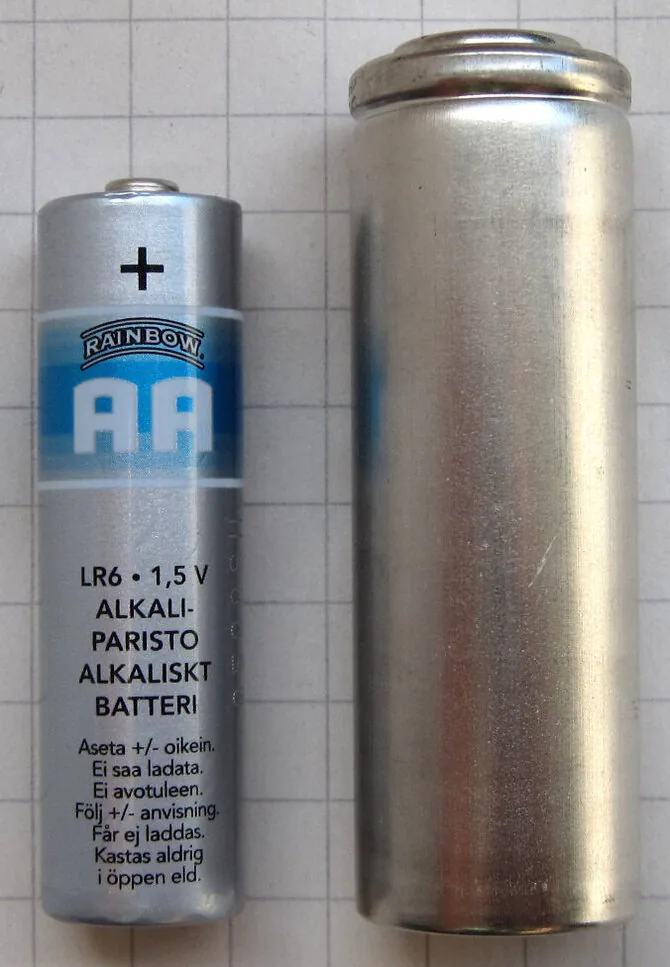
Due to their size, AA type batteries were more convenient for use in smaller devices that required less power, while C or D type batteries were better suited for more powerful devices.
Therefore, over time, the mass production of A and B batteries was discontinued, and now they are mainly of interest only to enthusiasts of old radio technologies.
In addition, new types of batteries emerged, which were already of a different shape and whose naming no longer relied on the ABCD system. So now there is much more confusion in the world of batteries, but the most popular AA and AAA batteries still retain their old names.
Read more Italy’s far-right party «National Future» doubled its number of parliamentarians
Prepared according to “Mental Floss”.