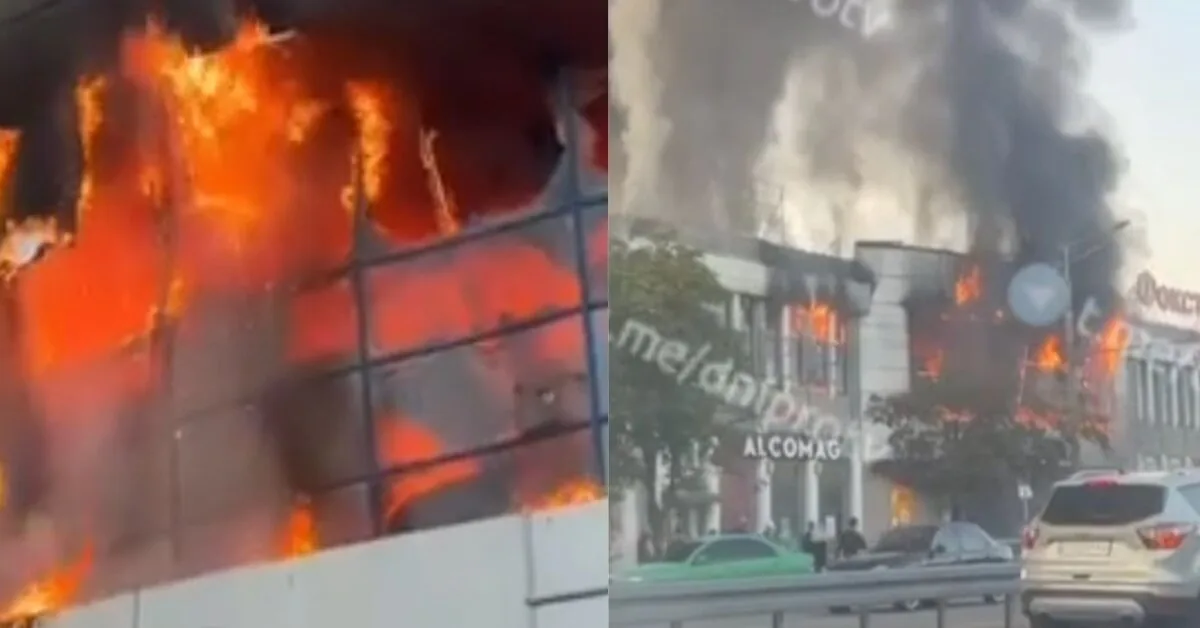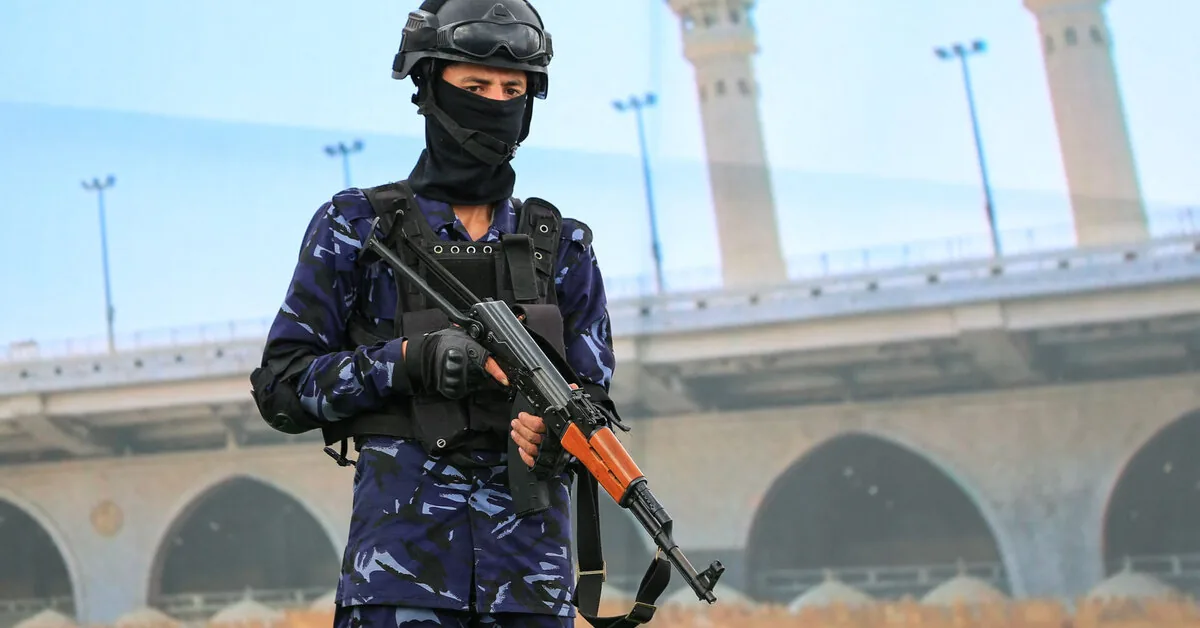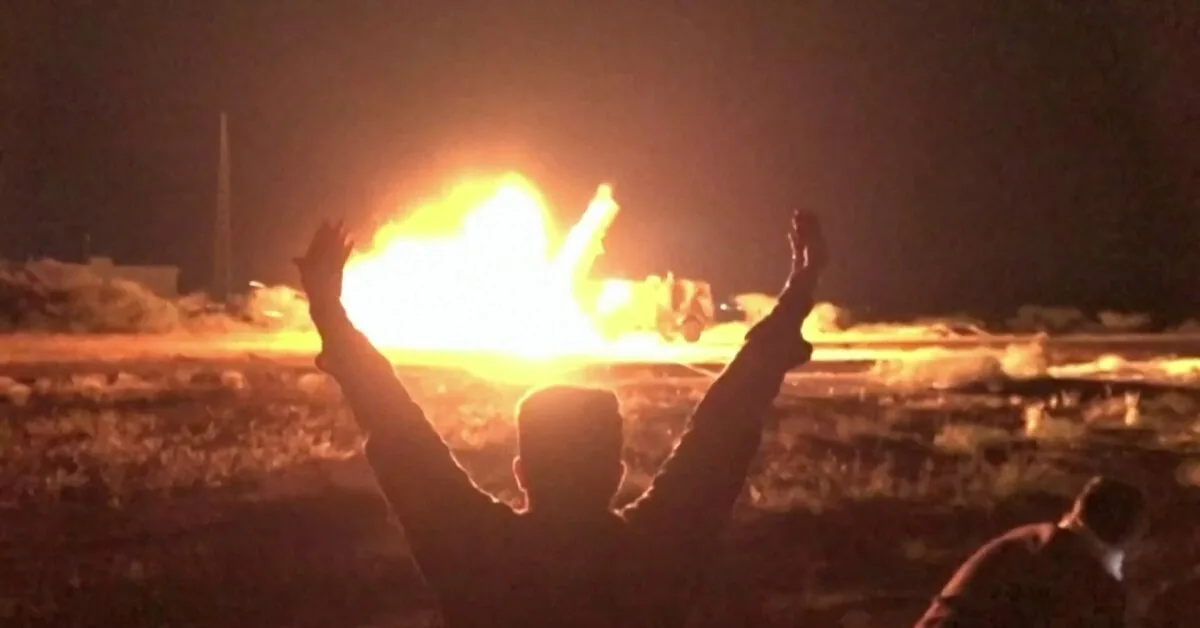
However, when Behnam, an unemployed musician from Tehran, calls family or friends to ask how they are doing, he never starts the conversation with the war.
Read more July 26th horoscope: an opportunity will arise to clarify what was hidden
“The first question we ask each other is: have you eaten?” he said.
Like all other interviewees, 38-year-old Behnam asked that his surname not be mentioned in the article, fearing repression from the Iranian government.
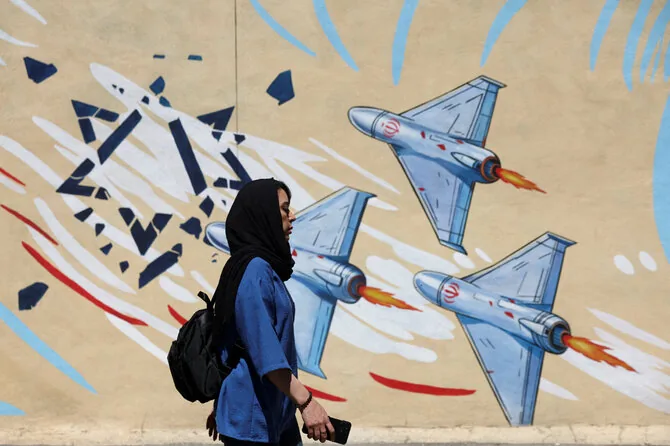
“Frankly, the situation has reached a point where we only think about survival,” he admitted.
According to Behnam, his relatives no longer try to encourage him that he will soon find a job, as unemployment is rapidly rising across the country. Most Iranians have postponed plans to repair their homes or rebuild lives ravaged by war.
Planning for the future is an absurd luxury for them, when impoverished friends can only afford a cup of rice, and the United States and Iran continue to exchange blows against military targets, ports, and desalination plants across the region.
For over a year, the people of Iran have been trapped in an endless cycle of aerial bombardments, repression by internal security services, and economic decline.
A short-term ceasefire agreement reached with the United States last month provided a temporary respite from falling bombs, but not from a plummeting economy.
In recent weeks, with the collapse of the agreement, the country has once again found itself in the midst of war. Washington and Tehran have been exchanging blows for two weeks. Moreover, on Friday, Donald Trump met with his advisors to assess whether to intensify the military campaign, four sources familiar with the content of the conversation revealed.
Currently, many Iranians feel helpless.
“I no longer have any control over my life,” Behnam lamented. “Our fate is in the hands of those who do not care about ordinary people.”
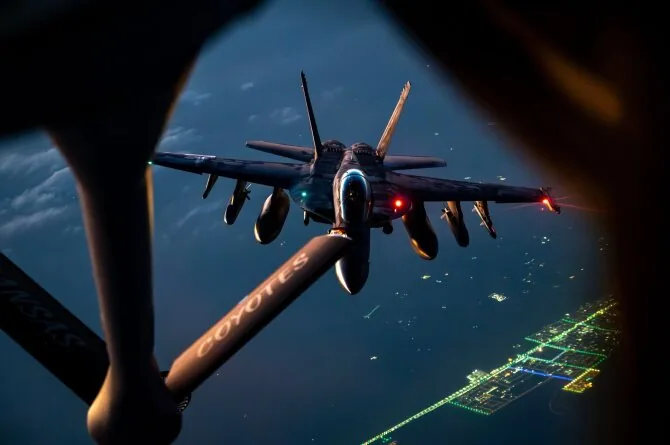
The protracted crisis has plagued Iranians since June last year, when the country was devastated by a 12-day war between the US and Israel. After that, the government, under the guise of national security issues, imposed a months-long internet blockade in the country. This was one of the factors that caused the already weak economy to decline even further.
Later, in December, a currency devaluation crisis sparked anti-government protests, which grew into a nationwide movement. In January, the protests were suppressed with the most brutal wave of repression in decades, killing thousands of people, and leaving the country divided.
A few weeks later, D. Trump and Israeli Prime Minister Benjamin Netanyahu declared war on Iran, speaking of it as a once-in-a-generation opportunity to overthrow the country’s authoritarian leaders.
American and Jewish state military aircraft attacked Iran. Infrastructure was destroyed, the country’s supreme leader and thousands of civilians were killed. However, Iran’s theocratic government remained untouched, and its survival only strengthened its resolve.
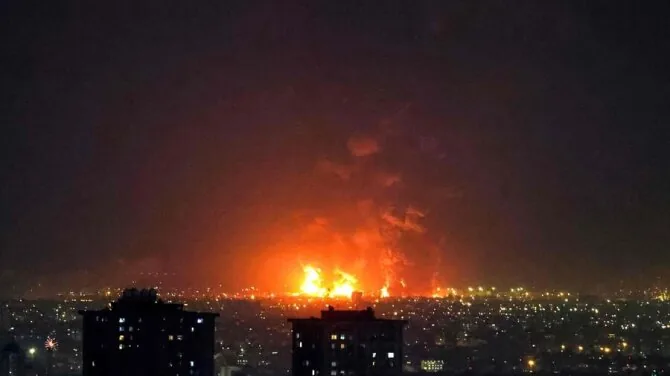
Asal, a 20-year-old shop owner living in a town near Tehran, was one of thousands who joined the protests that erupted in October.
Speaking about her detention and torture, the young woman could not control her tears. She and her friends had to face this. Asal admitted that she had previously believed that US and Israeli intervention would indeed help overthrow the regime.
“Trump said he wanted to save us, but that was a lie,” she recalled. “But I no longer care what happens in the future.”
According to Iranians, what added fuel to the fire was that they repeatedly saw their loved ones trying to overcome economic difficulties, only for their small victories to be crushed by a new crisis.
Farzad, a website designer from Tehran, recounted that after the economic turmoil following the 12-day war, one of his friends started selling homemade pickled cucumbers and jams on Instagram, trying to supplement her pension, which was no longer enough to live on.
Unfortunately, her business collapsed during the government-imposed internet blockade in January, which lasted for several months after the start of the war.
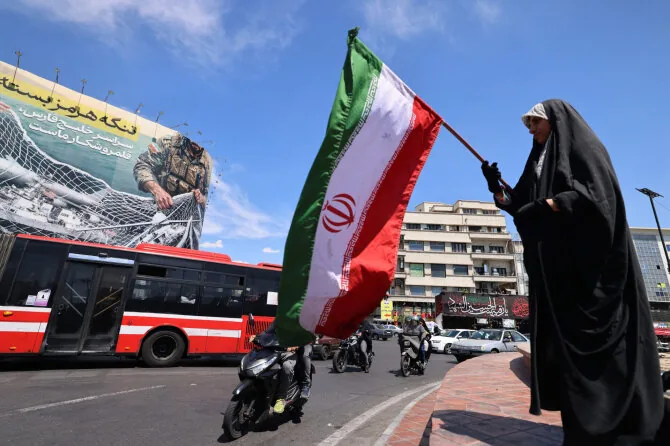
Several Iranians interviewed revealed that prices had become so high that they gave up medical services and bought vitamins instead of fruits and vegetables because it was cheaper.
“Forget the statistics,” Farzad said. “We feel the economic crisis in our bodies, we feel it through what we have to endure.”
As the bombings subsided in the spring, Iranians faced a different kind of humiliation. The government continued its repression against the opposition, executing those who dared to join the protests in January, and confiscating the property of dissidents.
According to authorities, cyberattacks paralyzed three major Iranian banks last month. Millions of Iranians suddenly lost access to the meager funds they had saved.
While the chaos disrupting banking operations was being resolved, the country plunged back into war.
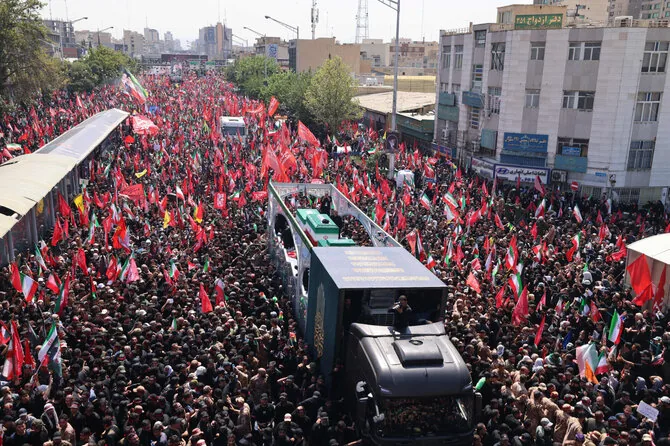
Supporters of the Iranian government are convinced that their country has no choice but to continue fighting.
“Everything has its price,” declared Hossein, who runs an online business in the port city of Bandar Abbas, which was heavily shelled last week during US attacks.
“Resisting the United States and preserving our independence is far more valuable than becoming another country in this region that simply agrees to everything the US wants,” the man asserted.
Currently, most US military operations are concentrated in southern Iran.
Farideh, 51, is appalled by the US bombings, which destroyed railways and bridges in her region, trapping some local residents for days.
According to Hamid Saed Panah, head of the local electricity distribution company, and Ahmad Nafisi, provincial vice-governor, aerial bombardments damaged power grids and a desalination plant in the southern Hormozgan province. The United States has not responded to these accusations.
Some Iranians living in the south reported being without running water and facing hours-long power outages. Along with this, they also had to endure the heat, often exceeding 48 degrees Celsius.
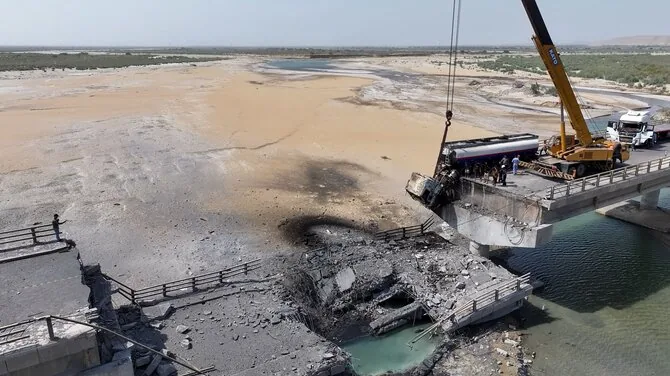
“It was an extremely unpleasant, stressful experience, full of hopelessness for the future,” Farideh admitted. The woman found it difficult to imagine what would happen to her children’s education and what career prospects they would have.
“Unfortunately, we, the people, pay the price for governments’ mistakes and stubbornness,” she lamented.
People loyal to the Islamic Republic gather nightly in the streets of many cities, demanding that the government continue the war rather than seek peace. They fray the nerves of those Iranians who desperately wish for the crisis to end.
“Everything is so bad that everyone has completely lost their composure,” said Mohsen, a businessman from the central city of Isfahan. “We are stuck in hell, and no one will save us.”
Read more Despite Štombergas’ beastly performance – the U18s started the championship with a defeat
This article was published in “The New York Times”.
© 2026 The New York Times Company