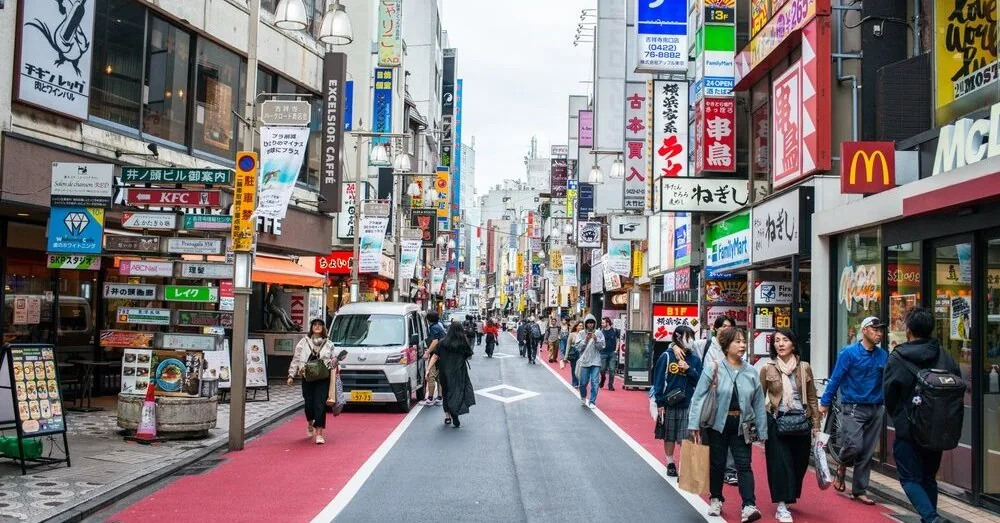
Japanese lawmakers have approved a bill to designate at least one additional city as a backup capital of the country. It would become another important political and economic center.
The primary aim of this decision is to prepare for natural disasters. In 2026 alone, Japan was shaken by strong earthquakes, hit by severe tropical storms, and experienced record snowfall.
Although the country’s infrastructure is considered one of the best adapted to natural disasters in the world, the goal is to ensure that if Tokyo is affected by a natural disaster or other emergency, government institutions can continue to operate.
According to Japanese authorities, the probability of a magnitude 7 earthquake occurring in the Tokyo region within the next 30 years is about 70%.
Another reason is the excessive concentration of population, government institutions, and economic activity in Tokyo. The city that becomes the second capital would receive investments in government buildings, transport connections, and tax incentives.
Osaka – Japan’s Kitchen
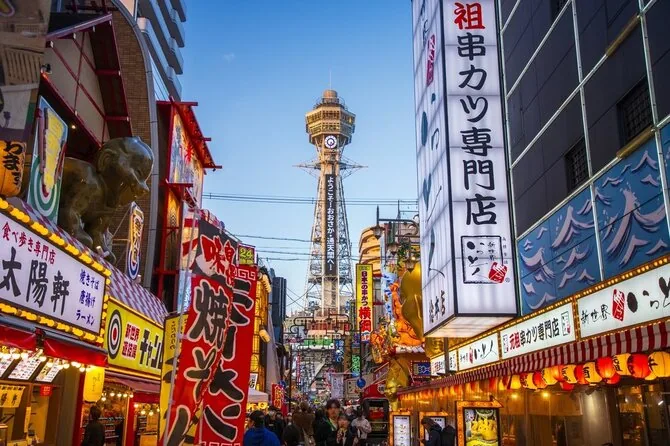
Just a few hours by bullet train from Tokyo, Osaka is famous for its lively nightlife, friendly locals, and abundant street food offerings.
Among the city’s traditional dishes are the savory pancakes “okonomiyaki” and octopus pieces fried in batter called “takoyaki.” The city also produces “iwa okoshi,” a sweet popped millet snack dating back to the 12th century.
Because of its gastronomic culture, Osaka is often called “Japan’s kitchen.”
Away from restaurants and street food stalls, the city can be viewed from the observation deck of the Tsutenkaku Tower. One of the brightest and most visited tourist spots is the Dotonbori district, famous for its neon signs.
Fukuoka – Beaches and Canals
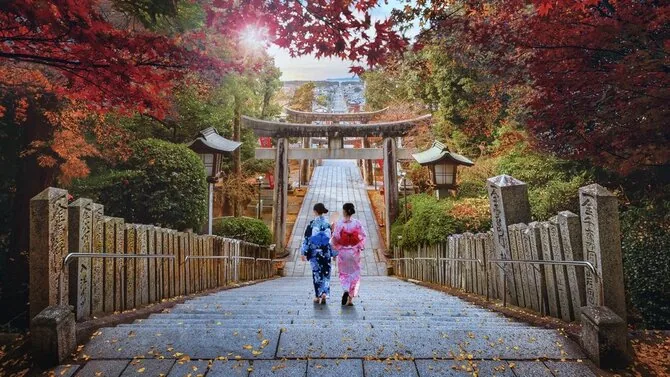
Located on the northern coast of Kyushu Island, Fukuoka offers sandy beaches, mountain trails, and green surroundings.
Read more Spanish police dismantled a large migrant smuggling network in the Mediterranean Sea
One of the most famous sites is the Dazaifu Tenmangu Shrine, where about 6,000 plum trees bloom in spring. Later, cherry blossoms and tulips bloom in the city.
The nearby city of Yanagawa is known for its canals. Tourists are taken along them in long narrow boats, while the boatmen sing poems by Meiji-era poet Hakushu Kitahara during the trip. The ride lasts just over an hour and allows visitors to see the city from the water.
Nagoya – Castle City
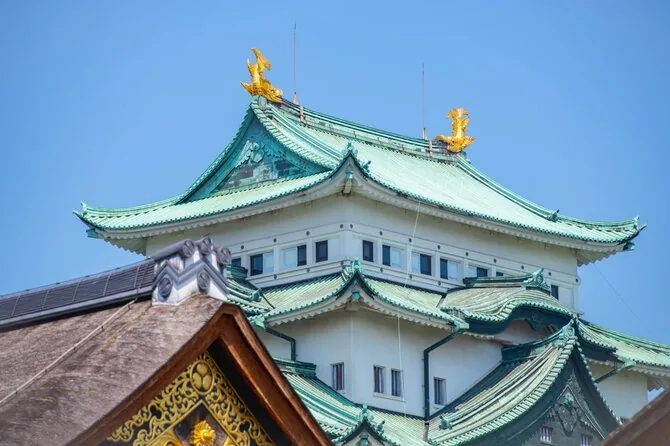
Located between Tokyo and Osaka, Nagoya is famous for one of Japan’s largest castles.
Nagoya Castle was completed in 1612 but was destroyed during the war. Later, the complex was gradually reconstructed. The reconstruction of the Hommaru Palace within the castle grounds took ten years.
The castle houses a museum that tells the history of the site, and in spring the surrounding area is decorated with blooming cherry blossoms. An adult ticket costs 500 yen, or about 2.75 euros. School-age visitors enter for free.
Sapporo – Snow Capital
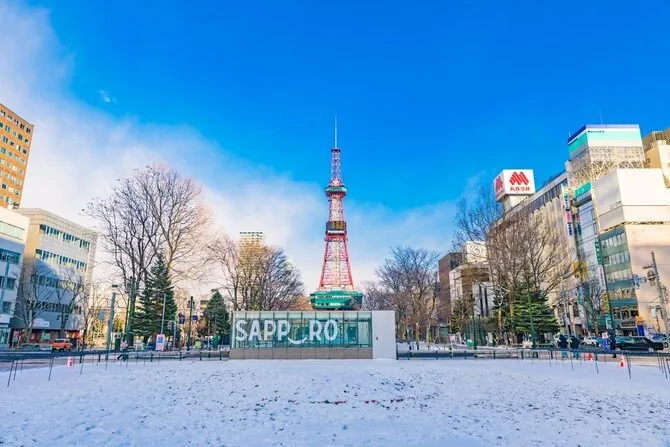
The largest city on Hokkaido Island, Sapporo is one of Japan’s youngest major cities. In 1857, it had only seven residents.
Today, Sapporo attracts with its greenery in summer, abundant snow in winter, and ramen dishes all year round. Winters are long here, and more than five meters of snow can fall annually. Every February, the city hosts a snow festival that has been held since 1950.
The festival covers three main city areas – Odori, Susukino, and Tsudome. During the festival, huge snow sculptures are built, and participants from various countries compete in an international contest.
It is still unclear which city will become Japan’s second capital. However, the ongoing discussions have drawn attention to places that often remain in Tokyo’s shadow and could become a separate travel destination in Japan.
Read more The chef recommends: these fruits and vegetables will enrich your culinary experience