
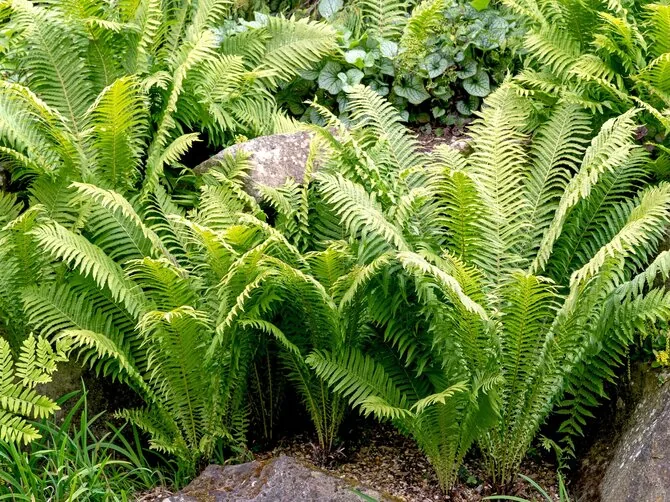
It is precisely these conditions – shade, coolness, and constant moisture – that ticks need: they quickly dry out in direct sunlight, so they seek shady spots. If there are tall grasses and fallen leaves near ferns on the plot, the risk of their appearance increases significantly. This is especially relevant for owners of plots bordering forests, meadows, or abandoned areas.
Read more 5 expenses that many forget when planning a vacation
Where ticks appear most often
Ticks rarely thrive in open, sunny lawns – it is too dry and too hot for them there. Instead, they choose places with dense vegetation and constant moisture: tall ornamental shrubs, uncut grass, compost piles, dense ferns, and layers of last year’s leaves.
Therefore, even a seemingly well-maintained plot with beautiful greenery can remain a refuge for parasites if the vegetation is too dense and has not been thinned for a long time.
How to protect your yard from ticks
It is not necessary to completely give up ornamental plants – it is much more important to regularly maintain the area. Mowing the grass, pruning dense thickets, and timely cleaning of fallen leaves and dry branches reduce the moisture level right at the ground surface and take away comfortable hiding places from ticks.
Read more “Time to open fire”: Kadyrov urged Putin to attack NATO
If ferns are already growing on the plot, they should be transplanted further away from resting areas – children’s playgrounds, gazebos, and garden paths. Additional protection is provided by aromatic plants: lavender, mint, sage, rosemary, thyme, and wormwood, which due to their strong scent can reduce the attractiveness of the area to parasites.
At the same time, experts note that no plant guarantees 100 percent protection from ticks – the best result is achieved only through comprehensive and regular plot maintenance.