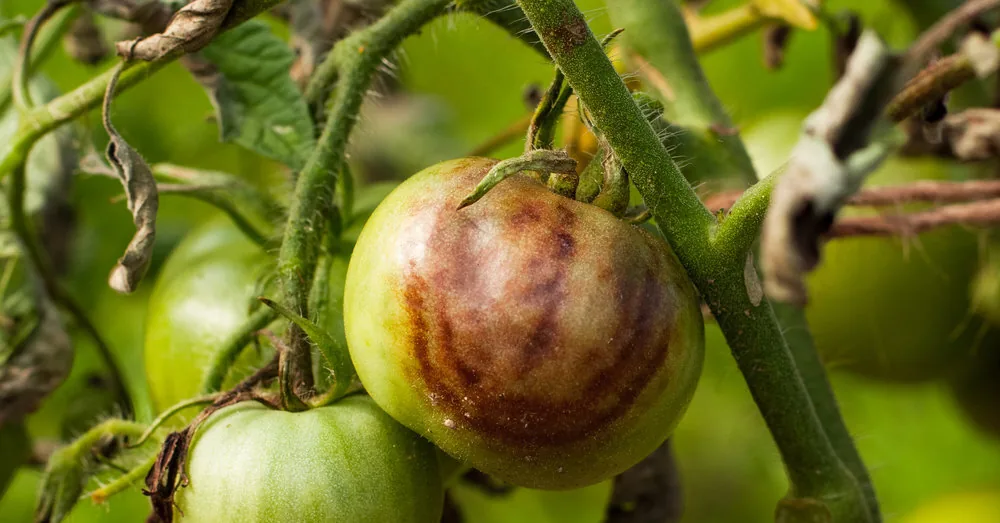
What folk remedies exist for the prevention of late blight and when it is worth resorting to special preparations. How to protect tomatoes and potatoes from late blight.
Read more Fraudsters disguise themselves as «Sodra»: how to recognize the scam
A popular blogger shared that potatoes should be treated with the same remedies as tomatoes because both plants belong to the nightshade family. One of the most popular recipes involves the use of whey.
“Let them mix 5 liters of whey and 5 liters of water, stir well and spray. This is a very common method known by many,” the blogger said on Facebook. Does milk with iodine help?
If whey is not at hand, another option is a solution based on milk and regular iodine from the pharmacy. Such a solution creates a protective film on the leaves, but it needs to be used in advance, not after the disease has already started.
To prepare the solution, you need:
- 1 liter of milk;
- 10 liters of water;
- 15 drops of iodine.
After spraying, a thin protective film forms on the leaves, which helps reduce the risk of late blight development.
When should tomatoes be sprayed?
The blogger emphasizes that all preventive sprays should be done before the first symptoms of the disease appear. She explains that when the leaves start to curl, brown, or dry out, and dark spots appear on the fruits, it indicates the progression of late blight. In such cases, saving the plants is much more difficult.
How to recognize late blight?
Signs of late blight first appear on the leaves and only then spread to the fruits.
“When the disease develops, the leaves curl and dry out, and later the fruit itself rots. When black spots appear on the foliage, and the leaves turn dark brown and dry out, these are already signs of late blight. Later the disease spreads to the fruits – black spots also appear on them,” warned the gardener.
How do ashes help?
Another way to protect plants without chemical means is the use of wood ash. Mixed with soap, the ash solution adheres better to the leaves.
The gardener advises:
- mix 5 liters of ash with 5 liters of water
- let the mixture stand for a day
- then add about 20 grams of household soap so that the solution sticks better to the leaves.
She also recommends sprinkling the rows with ashes immediately after planting the plants.
Read more Latvia bought back the forest from Swedish owners for 26 million euros
Prepared based on glavred.info and VE.lt