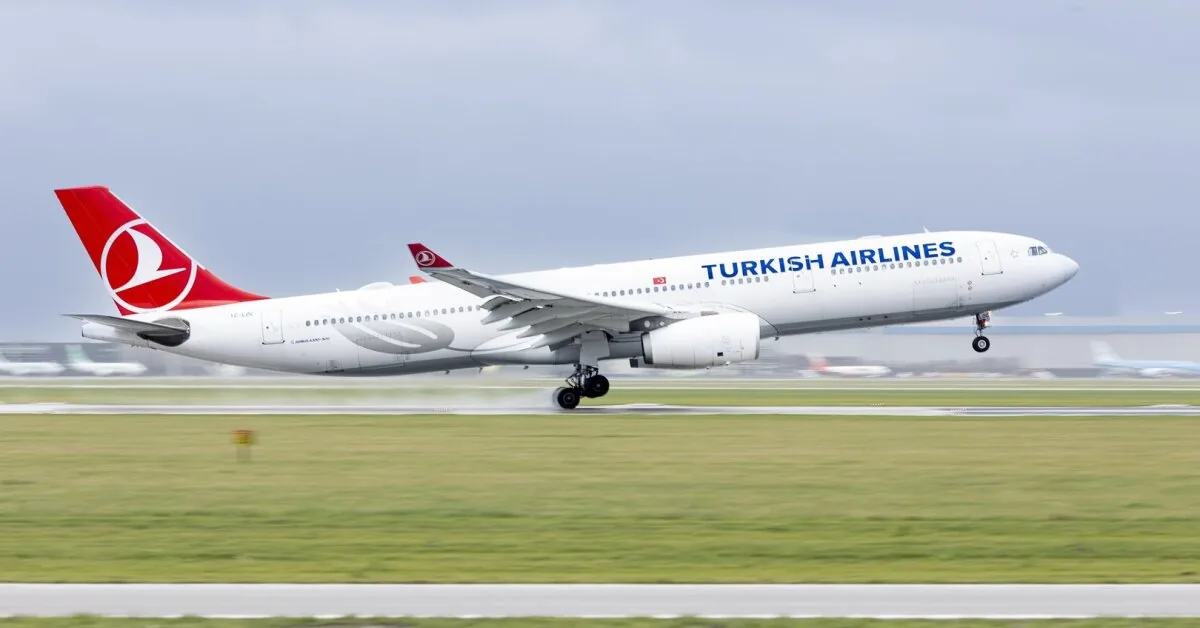









Many airlines allow external batteries with an energy capacity not exceeding 100 Wh (watt-hours) to be taken into the aircraft cabin without a separate permit. This indicator should be clearly indicated on the device, writes “The Sun”.
Read more In the high school kitchen – a series of violations: the food supplier’s activity has been suspended
If the battery has a larger capacity or its marking cannot be read, airport staff may confiscate it. These requirements are especially strict in some Asian countries.
Different measurements at different airports
One traveler on the social network “Reddit” told about accidentally taking an external battery with a capacity greater than 100 Wh on an international trip. In the United States, it passed the security check, but it was assessed differently at various airports in China.
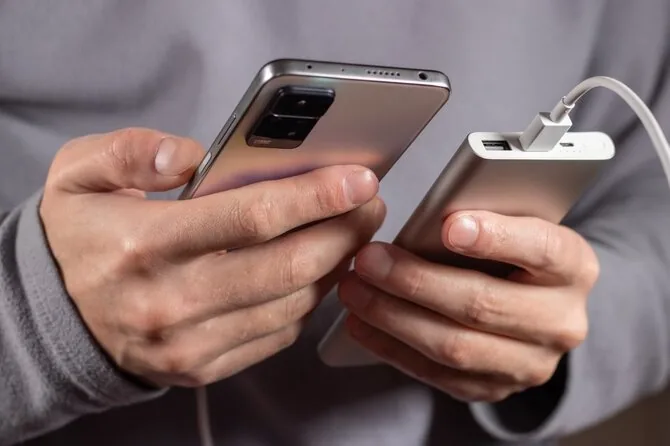
According to the passenger, one place determined 106 Wh, another – 136 Wh capacity, and at Guangzhou International Airport officials stated that it exceeds 180 Wh, so they did not allow it to be taken on the plane.
Another traveler warned to pay attention not only to the battery capacity but also to the condition of its label.
“The most important thing is the label. If the battery is old and the inscriptions on it are faded, it is almost certain that it will be taken away. This recently happened to my friends in South Korea and China – their older external batteries were taken because the data was not clearly visible,” he said.
Additional labeling required in China
When flying from China, there is another important requirement – the external battery must be marked with the CCC mark. It confirms that the product meets China’s mandatory certification requirements.
Read more Lithuania will seek to advance public procurement reform during its EU presidency
The device must also comply with capacity limits applicable to flights. Batteries with a capacity of up to 100 Wh can usually be carried without a separate permit, while larger ones may require airline approval. External batteries with a capacity greater than 160 Wh are generally prohibited on passenger flights.
Stricter rules are also followed in Japan. “Japan Airlines” currently allows two external batteries in carry-on luggage, each with a capacity not exceeding 160 Wh, but from January 2027 the limit will be reduced to 100 Wh.
The allowed number of batteries also depends on the airline. Some allow only one, others two, so it is necessary to check the specific carrier’s requirements before the flight.
Cannot be carried in checked baggage
External batteries must be kept in carry-on, not checked baggage. The lithium batteries inside can catch fire, so improper transportation poses a danger to the entire aircraft.
In May this year, an easyJet plane flying from Egypt to the United Kingdom was forced to divert from its route and land in Rome. It turned out that one passenger left a phone connected and charging to an external battery in checked baggage.
In July 2025, an external battery caught fire on a Bangkok Airways plane flying from Samui Island to Hong Kong.
Read more Attorney General Kravchenko fled Ukraine: disguised as a business trip to Lithuania