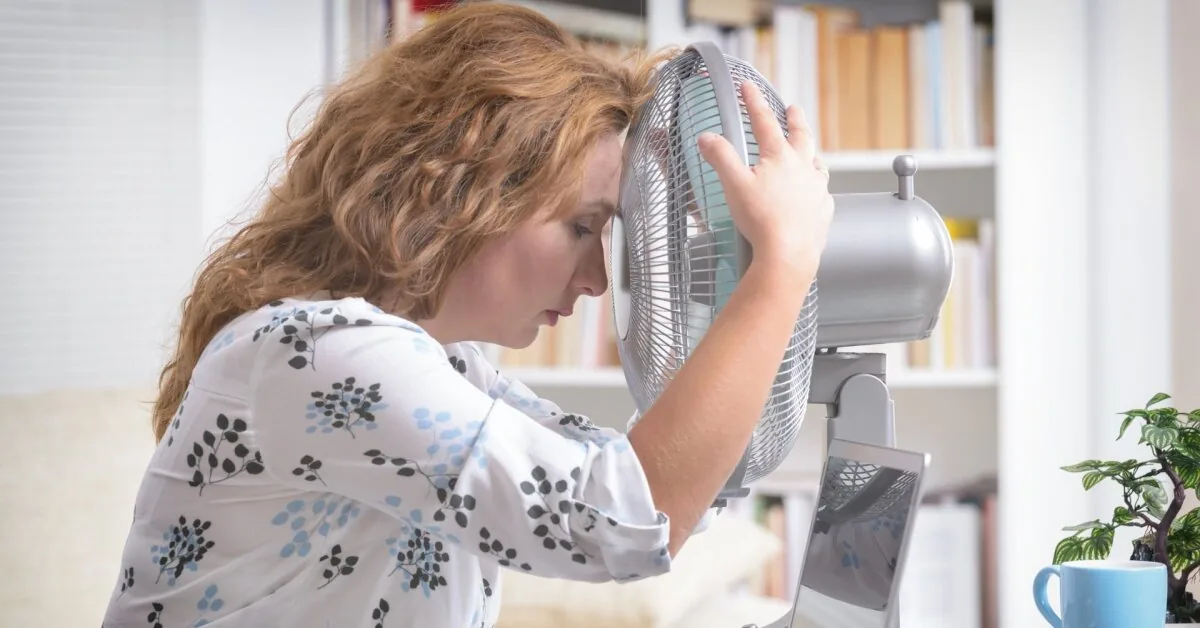
According to Aleksandras Masaliovas, partner at the law firm “CEE Attorneys,” heat waves mean not only higher cooling costs and lower work productivity for employers but also greater responsibility for employee health and safety.
Read more The team represented by Jocyte secured a spot in the WNBA playoffs
“Heat means not only economic losses for employers. It also creates specific legal obligations. In practice, there are still misconceptions that it is enough to provide employees with drinking water or allow them to rest more often. In fact, the employer’s duties are much broader – from occupational risk assessment and work organization to administrative or even criminal liability if an employee suffers due to unsafe working conditions,” says A. Masaliovas.
Heat itself does not mean that work is no longer possible
According to the lawyer, Lithuania has not set a specific temperature limit at which work would be prohibited, for example, that all employees must stop working if the temperature exceeds 30 °C. The temperature of the work environment is regulated by hygiene standards, which set recommended temperatures and require the employer to take measures if they are exceeded.
An employer is not automatically required to allow working from home when the temperature rises. The Labor Code does not impose such an obligation on employers. However, requests from certain categories of employees to work remotely must be granted, and the employer has little chance of refusing such requests.
“Article 159 of the Labor Code and Article 34 of the Occupational Safety and Health Act provide that an employee may refuse to work if there is a real danger to their health due to the work. However, this right is not absolute. The refusal must be justified – there must be a real danger, not just discomfort. For example, an employee may have a certain illness that worsens in heat. In such a case, refusal to work would be justified. On the other hand, simply not showing up for work because it is hot that day and the person sweats more heavily may be considered an unjustified refusal to work,” says A. Masaliovas.
Additional requirements apply to employees working outdoors
Laws regulate requirements differently for working outdoors and in the office. Every employer is responsible for safe working conditions for their employees, including work in extremely high outdoor temperatures.
Read more Japanese Defense Minister: Cooperation between the US and South Korea is essential for security
“The employer must first properly assess all occupational risks that may arise when performing certain tasks outdoors. Regarding specific measures, legislation provides for special breaks that must be given to employees working in heat conditions. Employees must be provided with personal protective equipment and work clothing that suits the weather conditions and reduces the impact of heat. It is also necessary to ensure that employees have the opportunity to consume fluids. Places must be arranged where employees can cool down, or employees must be provided with drinking water,” advises the expert.
The lawyer adds that there are other measures, such as planning work during the day so that tasks start before it gets very hot. It is necessary to assess whether it is possible to work in the shade, and if such an opportunity exists, it must be provided.
Employers may also face criminal liability
According to the expert, liability for the employer arises only if it is established that they did not fulfill their duties (e.g., did not provide breaks, did not supply employees with drinking water, did not conduct risk assessments, did not take other measures to ensure safe working conditions). The employer may face administrative and even criminal liability if heat stroke results in serious health impairment or death, and this was caused by the employer’s failure to fulfill their duties.
“In Europe, there are already cases where pre-trial investigations or legal disputes arise due to employee deaths during heat waves. For example, in 2022 in France, after a construction worker David Azevedo died from heat stroke, his family’s lawyer filed a criminal complaint for suspected involuntary manslaughter against several persons allegedly responsible for work organization.
Heat waves in Europe are becoming more frequent, so it is important for employers to understand that employee safety today does not start when the thermometer reaches record highs but much earlier – from proper preparation and risk management,” says A. Masaliovas.
Read more A man’s body found in Utena