









“Safety to seek help, legal security for the family to be recognized, for gender identity to be recognized. These are rights relevant to all people and must be self-evident and unquestionable like the air we breathe, so it is important that no group in society is excluded from the possibility of enjoying them,” said the Seimas Ombudswoman Dr. Erika Leonaitė, welcoming the discussion participants.
What is the value of a woman’s life irreversibly affected?
Discussing the protection of women from domestic violence and sexual violence, there was a discussion about the harmful attitude of some institutions towards victims of violence.
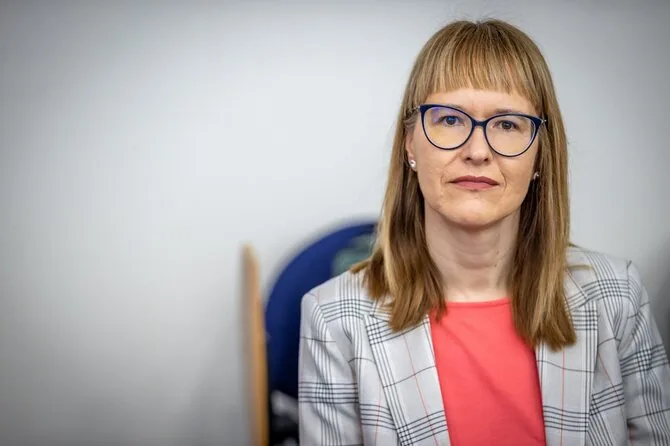
“One can talk about criminal policy, but in the context of the last few days, criticism can certainly be directed at the courts, because 5,000 euros for non-pecuniary damage for the rape of a minor is not an adequate amount. On average, the amount for this crime is 6,000 euros and it has not changed for a decade, although inflation has essentially changed the significance of such an amount in the economy,” Dr. E. Leonaitė pointed out.
Other experts agreed with the criticism expressed by the Seimas Ombudswoman.
“In a not-so-old case of cyber violence, the Supreme Court increased the amount of non-pecuniary damage awarded to the victim to 15,000 euros, explaining that when awarding the amount, it is necessary to take into account the economic situation in the country. Therefore, 5,000 euros for rape is too little,” emphasized lawyer Aivaras Žilvinskas.
Violence against LBT women in domestic environments
According to the study “Analysis of experiences of violence against LBT women and non-binary gender identity persons” conducted by the “Lithuanian Gay League” association, 67.2% of surveyed LBT women reported experiencing violence. However, those who experienced violence from an intimate partner or in a public place do not turn to institutions because they believe they will not be understood, may face discrimination and secondary victimization. 35.2% of respondents said they do not trust institutions in the field of protection from violence, and 49.4% indicated they do not know if they could expect proper help.
According to the experts participating in the discussion, in practice it is noticeable that both among LBT women and among specialists providing help in cases of domestic violence, stereotypical attitudes prevail that hinder recognizing violence in same-sex couples. The problem is also contributed to, according to participants, by the fact that specialized comprehensive help centers are usually presented as organizations exclusively providing help to women who have experienced violence from men. Therefore, it creates the impression that domestic violence is an issue of heterosexual couples. There is also a lack of skills to recognize forms of violence and control specific to same-sex couples, such as threats to reveal a partner’s identity to her family or work collective.
Getting appropriate psychological help is also difficult because not all persons providing psychological consultations have the necessary qualifications. Moreover, to provide psychologist services, it is not mandatory to be a member of the Lithuanian Psychological Association. This may mean less accountability of specialists and quality assurance of services provided, as well as a greater risk that a client seeking help will face prejudiced negative attitudes.
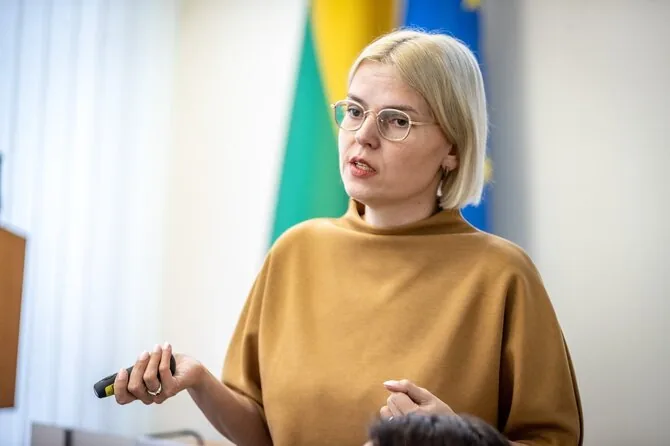
Eglė Kuktoraitė, representative of the “Lithuanian Gay League,” emphasized that LBT women experience a constant sense of insecurity – they have to assess every time whether it is safe for them to be themselves in the environment they are in or whether they have to regulate their behavior to avoid hatred due to sexual orientation and/or gender identity.
Fines for the state for failing to ensure LGBTI persons’ rights
The discussion also drew attention to the obstacles faced by LGBTI persons in defending their rights in Lithuania.
Read more The car windshield has long ceased to be just glass: it hides dozens of technologies
“When certain human rights are recognized only through the courts, such rights cease to be rights and become a victory or even a privilege, because judicial guarantees for protecting a person’s rights are not accessible to everyone due to lack of funds or knowledge, but still, in a legal state, fundamental human rights should not turn into privileges. After the initial euphoria over the Constitutional Court’s ruling on partnership, today we can see how realistic it really is to exercise the right to register a same-sex partnership when institutions shrug their shoulders, unable to implement court decisions,” said Seimas Ombudswoman Dr. Jolita Miliuvienė.
Lawyer Aivaras Žilvinskas, who helps same-sex couples seek recognition of partnership, pointed out that rights begin with the ability to implement them.
“The Constitutional Court’s ruling was overestimated because it stated an obvious problem. Since then, decisions of lower courts have essentially done only two things: recognized same-sex partnerships as families and obliged to register the fact of partnership. The problem is that this obligation, first of all, is assigned to different institutions and, secondly, none can implement it until there are corresponding decisions from the state,” said lawyer A. Žilvinskas.
A. Žilvinskas emphasized that a court decision recognizing partnership and family status alone is not enough for a couple to start enjoying the legal guarantees provided to families. Without a formal register easily accessible to all state and municipal institutions, each couple would have to additionally apply to the court for each specific right guaranteed by each institution.
“The Ministry of Justice and municipalities are currently disputing the very obligation to register partnerships and are asking to postpone it. It can be positively assessed that, as far as I know, courts have not yet satisfied any such request. It is also good that fines are now being imposed on the state and registry offices for non-compliance with effective court decisions. Each day of non-compliance with the obligation to register a partnership benefits the couple because a daily fine set by the court is paid for each day. So far – 10 euros per day. We are approaching the point where the Minister of Justice herself may soon receive a fine for non-compliance with court decisions because after the initial and increased fine for non-compliance with the decision to the state, a fine may be imposed on the head of the institution responsible for executing the decisions,” said A. Žilvinskas.
The lawyer also said that the most sensitive area – the protection of children growing up in same-sex couples – remains outside legal regulation. Notaries, according to the lawyer, usually avoid working with these issues.
“Go wherever you want, just not to me,” – this is how, according to the discussion participants, state institutions and specialists from various fields usually respond to LGBTI persons’ problems.
Read more Messi, who scored the jubilee goal, won another trophy