Agronomist Tautvydas Gurskas, who has personally planted thousands of bulbs and knows which are the highest quality, talks about how to create the perfect flower bed. He explained why bulbs are sorted by fractions and what that means.
First of all, it is worth knowing that the fraction indicates the size of the bulb and is an internationally used quality standard. All bulbous flowers are divided according to fractions, but different sizes apply to each species. For example, crocus bulb fractions usually reach 5, 6 or 8, as their bulbs are naturally small. Meanwhile, tulip bulbs are much larger, so they are usually marked with 9, 10, 11/12 or 12+ fractions. Therefore, fractions of bulbs of different flower species should not be compared with each other – it is important to evaluate bulbs of the same species. Generally, the larger the fraction of the same species, the bigger the bulb, having accumulated more nutrients and having a greater potential to grow a strong plant and an impressive flower.
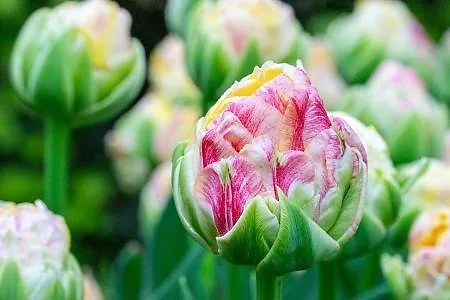
“The bulb fraction is a very important indicator, so gardeners who want larger and more beautiful flowers choose bigger bulbs. A healthy and large bulb is already a sign that you will have big flowers, which we want so much in spring and which look the best. The bigger the bulb, the more nutrients it has accumulated, so the plant will be stronger, delighting with the size of the flower and the quality of blooming,” says agronomist T. Gurskas.
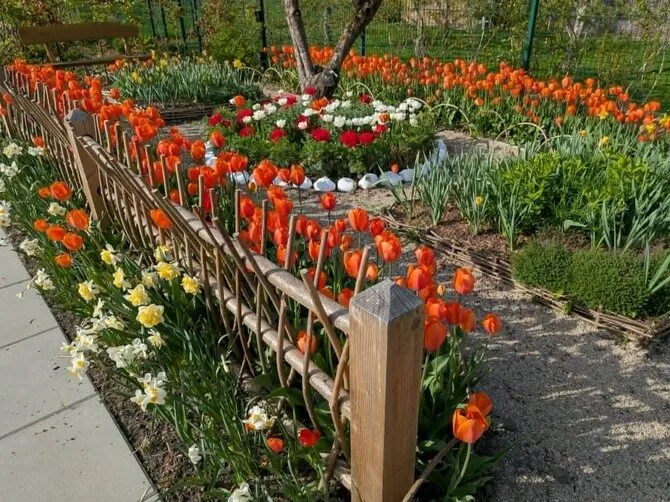
He adds that when creating his flower park, he planted thousands of bulbs and mentions that when choosing, he himself considers several important aspects – price, bulb size, and evaluates future plant combinations according to earliness and height.
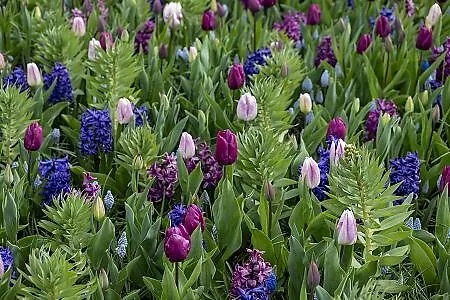
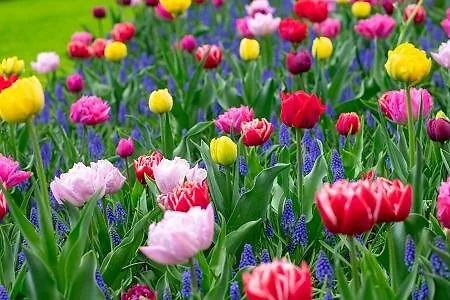
“Tulips can be early, mid-early, or late, so it is important to me that the flower bed blooms as long as possible and to know which flowers go well together, for example, with forget-me-nots, scillas, or French earrings. Seeing the height of the tulips, you can choose suitable plants next to them. For example, we can plant scillas that grow 15–20 cm and next to them white or pink tulips that grow up to 25–30 cm. Taller tulips in such a combination would not look as nice,” explains the agronomist and adds that he advises planting shorter plants in front of the flower bed and taller ones at the back.
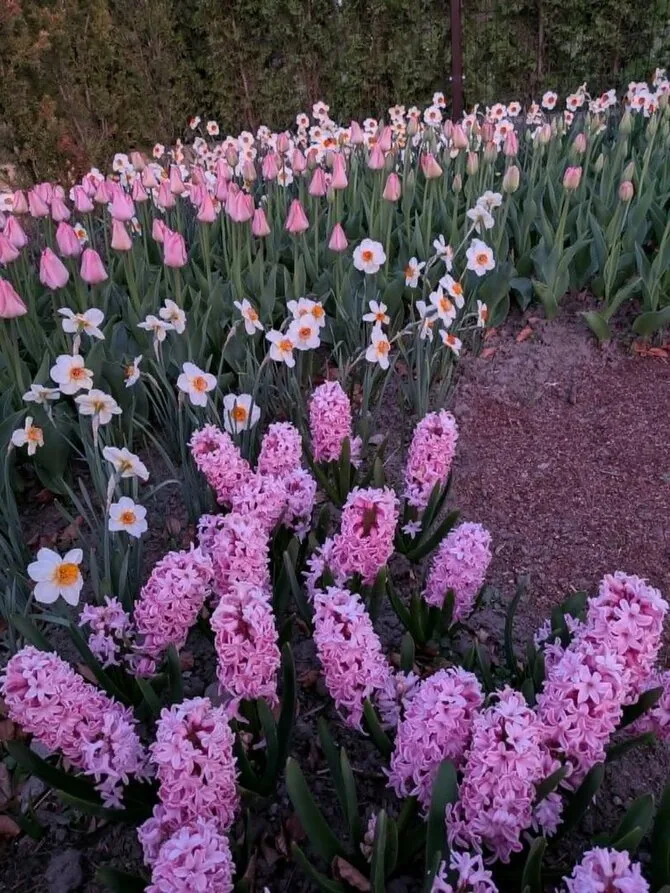
Choose the biggest and the most
T. Gurskas says that if you choose bulbs for your garden, choose the largest fraction according to the plant species – don’t get confused and remember that different bulbous plants have different fractions. “In this case, you will have a bigger flower, it will better reflect the variety, and the flower bed will be more beautiful and healthier. From my experience, I can say that there is definitely a big difference when we plant large and healthy bulbs and get results in spring. Of course, I have also tried smaller bulbs when I needed to buy a very large quantity – about 10,000, because in that case price is important. As a gardener, knowing what to do and how to fertilize, I knew I could grow them very large in a few years. In other words – you can buy a small decorative plant for your flower bed and wait for it to grow, or you can buy a big one right away and enjoy the result. The same applies to bulbous flowers because we want the result – big flowers – immediately. Larger bulbs are stronger and better prepared,” notes the specialist and adds that, for example, he advises those planting tulips to choose bulbs of 11/12 and 12+ Premium fractions.
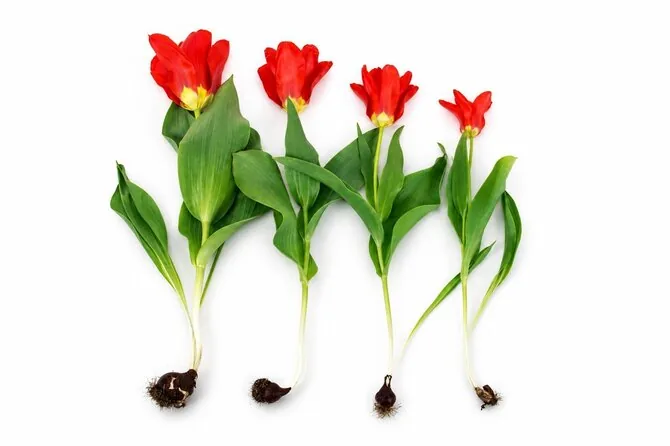
And one more important tip from the agronomist – buy as many bulbs as possible if you want a breathtaking view. “30, 50, 100 and more will look completely different than just a few tulips. Also, not all bulbs can survive the winter; they often face pests or other animals, so a larger quantity helps to hedge your bets. People ask me – how do I protect myself from voles? My answer is that I plant a lot and I feel safe. Plant in groups and don’t be afraid to plant too densely. If you think you will plant every 20–30 cm, don’t do that. Plant every 10–15 cm – don’t worry that it will look dense. This way you protect against falling over and breaking. I also advise choosing varieties of different earliness. You can’t imagine how beautiful it will be and how the changing colors will delight. I myself enjoyed tulip blooming for a whole month – there were plenty of flowers,” shared the agronomist.
Three rules for every gardener
When is the best time to buy bulbs? T. Gurskas advises not to waste time and stock up now, as the best choice and the largest supply of bulbs start at the end of August. The longer you wait, the smaller the selection will be, and the healthiest and highest quality bulbs will be quickly snapped up. By purchasing the desired bulbs at the start of the season, you kill two birds with one stone because you will have already secured the highest quality bulbs of different varieties, and you can plant them later at the right time and under the right conditions.
Read more Scientists have found out: one food product can help fight fatty liver disease
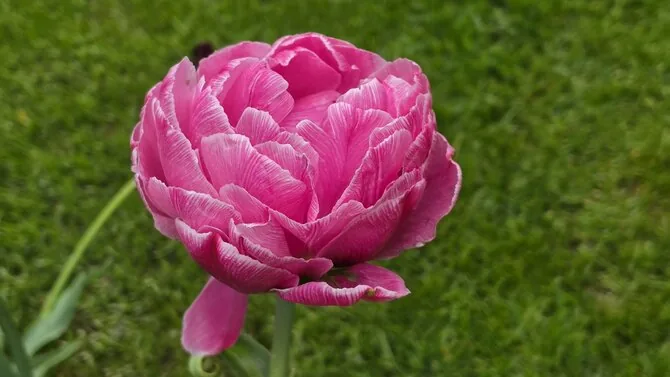
“You can plant all bulbs together at the same time in autumn – from mid-September until the end of autumn, when the temperature is above freezing. Plant bulbous flowers in a sunny, well-drained place at three times the bulb size – in other words, if a tulip bulb is 3 cm in size, you should plant it at a depth of 9 cm. Bulbs need to root well and survive the winter to bloom abundantly in spring,” says T. Gurskas.
He shares three tips that are important for anyone who wants an impressive bloom in spring:
- First, choose quality, larger fraction bulbs now, considering the plant species. Remember that fractions differ for different bulbous plants, so tulip bulbs are one size, and daffodil or crocus bulbs are another;
- Plant as densely as possible and don’t be afraid, as this will give a visible and neat result;
- Plant as many bulbs as possible to create an eye-catching view;
“The most important thing is not to be lazy and actually plant: plan now and get to work so you can enjoy the fruits of your labor in spring. Often people shrug it off and then regret not having done these tasks in autumn or not having chosen what to plant,” advises T. Gurskas.

So when choosing flower bulbs to plant in autumn, it is worth knowing just a few rules – pay attention to the bulb size, choose your favorite varieties, and take care of them at the beginning of the season. And for those looking for an exceptional spring flower bed, there will definitely be plenty to choose from this autumn.
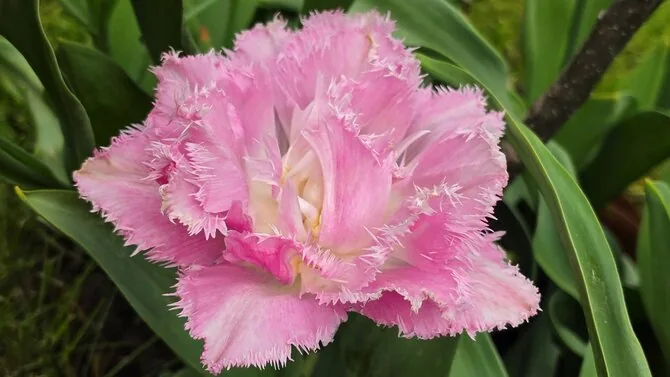
ASEJA’s autumn flower bulb assortment includes hundreds of varieties of tulips, daffodils, crocuses, scillas, ornamental garlic, and other bulbous flowers blooming in spring – from time-tested classics to impressive novelties. Many tulip assortments offer 11/12 and 12+ Premium fraction bulbs, helping to grow strong plants and enjoy bigger, more impressive flowers. Among this season’s highlights are the uniquely shaped tulip “Mystery Valley,” the bright and elegant “Wicked in Pink,” this year’s novelty “Ice Cream Banana,” and the impressive, art-like fringed petal tulips “Labrador.”
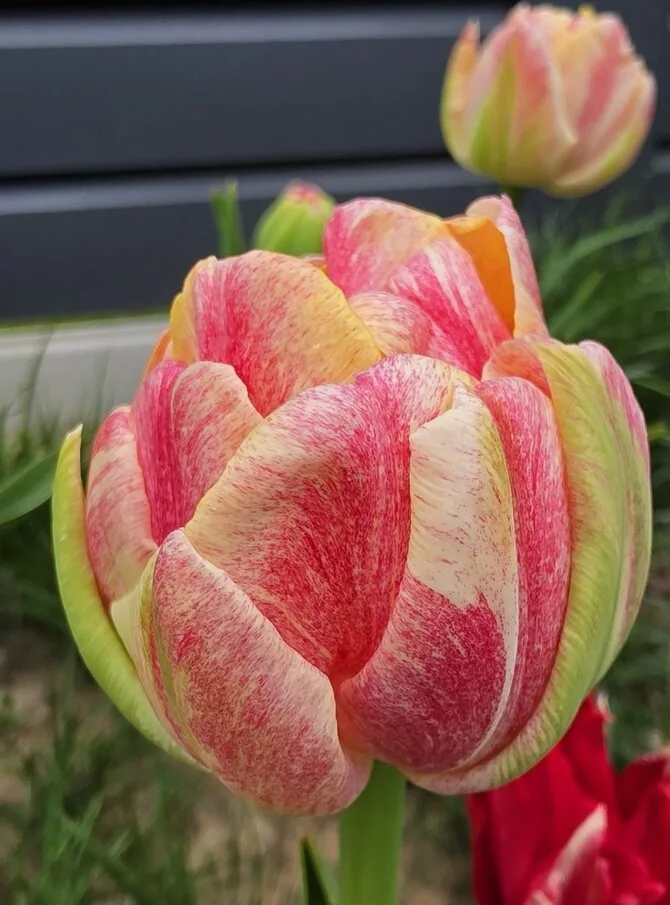
To make choosing even easier, tulip collections are divided into Classic, Premium, and Luxury lines – from popular and easily combinable varieties to exclusive, collector’s beauty novelties. And this year’s innovation is the GRAND PACK packages with a larger number of bulbs and carefully selected varieties or colorful mixes. They are perfect for quickly planting larger areas and enjoying a richly blooming flower bed in spring.
And most importantly – the largest selection awaits at the beginning of the season, so it is worth choosing your favorite varieties in advance and planting them when the most suitable autumn time comes. After all, the most beautiful spring flower bed starts with one decision – choosing quality bulbs in autumn.
Read more Family drama: long-time «Lakers» owners prepare for legal battle
More at www.aseja.lt.