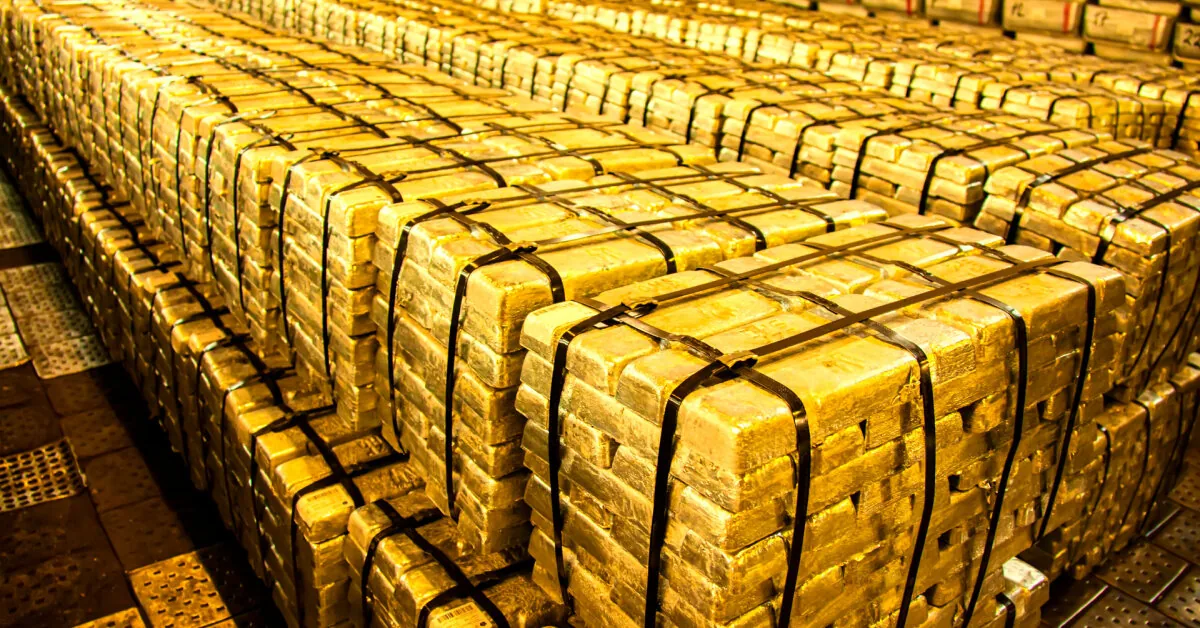
In June, the gold reserves of the Russian Central Bank, the fifth largest in the world, decreased by another 0.3 million troy ounces, or 9.33 tons, and by 1.4 million ounces, or 43.5 tons, since the beginning of the year, according to the regulator’s data.
Read more Indrė Bareikienė had to enter an unpleasant fight: «I spend more than 100 euros every day»
This sale became a record at least for the last quarter century – the entire period covered by the World Gold Council statistics. According to its data, the Central Bank carried out a similar scale sale of precious metals only once – in 2002. At that time, over a 6-month period (from January to June), Russia’s gold reserves decreased by 36.1 tons.
It didn’t even happen during the pandemic
Even during the pandemic, when the Russian authorities sold foreign exchange reserve assets to support the ruble and the budget, the Central Bank sold 6 times less gold – 7.6 tons in the period from July 2020 to April 2021. As of July 1, 2026, the Central Bank’s gold reserves decreased to 2,283 thousand tons (73.4 million ounces) – the lowest level since February 2020, according to The Moscow Times.
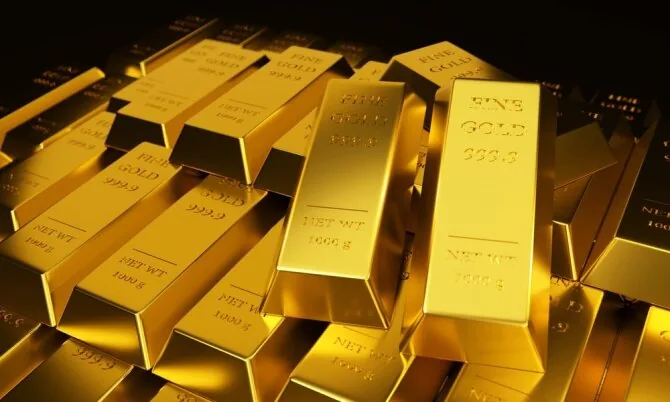
From the sale of gold, the Russian Central Bank could have received about 5.6 billion US dollars. This money was intended to balance the budget, Vladimir Chernov, an analyst at Freedom Global, told Reuters: since last autumn, the regulator has been carrying out operations with precious metals in the domestic market, replicating similar transactions by the Ministry of Finance with National Welfare Fund assets.
“When oil and gas revenues turn out to be lower than stipulated in the budget rules, or fund assets are allocated for domestic investments, the Bank of Russia performs opposite operations with liquid reserve assets. At the same time, the Central Bank here performs the technical part of the mechanism, rather than making a separate decision to cover the budget deficit by selling gold,” V. Chernov explained.
Read more Kadyrov spares his own: ordinary residents are massively sent to the front
Does not want to touch existing yuan
Gold is suitable for such operations because it is stored in Russia, remains accessible to the regulator, and has significantly increased in price over the past year, he emphasizes: “In addition, the possibilities of using many currency assets are limited after they were frozen abroad.”
The Russian Central Bank started selling gold because it does not want to “waste” all remaining reserves in yuan, economists Alexandra Prokopenko and Alexander Koliandr wrote earlier.
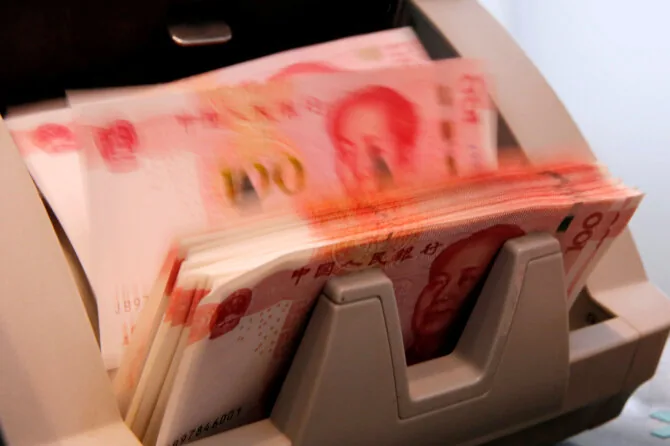
Yuan is the last currency available to the Central Bank for market operations and influencing the ruble exchange rate, and how much of it remains in foreign exchange reserves is not precisely known – the Central Bank concealed statistical data on the structure of reserves after sanctions were imposed on it, and 300 billion US dollars worth of its assets in Western countries were frozen. According to the latest available data, the Central Bank held about 100 billion US dollars worth of Chinese yuan, but this amount may have decreased since then, writes The Moscow Times.
According to V. Chernov, most of the gold was likely sold to Russian banks through the exchange and over-the-counter market. Data from the Moscow Exchange confirms this: this year, the volume of gold transactions on the exchange has sharply increased. In March alone, it reached 42.6 tons, of which 14 tons were transactions with metal delivery.
Read more Dambrauskas continues his unbeaten run in UEFA Champions League qualifiers