According to Artūras Potelis, head of the commercial department at “Creditinfo Lietuva,” fuel price dynamics primarily affect the transport sector. However, their impact is also felt by construction, trade, and manufacturing companies. As forecasted by the credit bureau, by the end of 2026, the number of bankrupt companies may reach 915, with wholesale and retail trade (226), construction (167), and transport and storage (125) sectors standing out the most.
Read more Are you going to Egypt? Without knowing this rule, you might not even get on the plane
“Both more expensive and fluctuating diesel increase logistics, delivery, equipment operation, and supply chain costs. Companies that cannot quickly pass these costs on to customers experience margin pressure, which can later lead to growing debts, delayed payments, and a higher risk of bankruptcy,” says A. Potelis.
He adds that the “Euribor” interbank interest rates also have a significant impact on business health. According to the expert, even with their decline, the cost of loans, leasing, factoring, and working capital financing remains significant for many companies.
“This is especially important for businesses operating with low margins or having a high need for borrowed funds. As a result, financing costs become one of the factors determining whether a company can withstand temporary revenue declines or payment delays,” explains A. Potelis.
Finally, according to the speaker, inflation creates a significant impact through costs and demand. “On one hand, companies face higher wages, services, rent, repairs, logistics, and other daily operating costs. On the other hand, higher prices reduce the real purchasing power of residents, making it harder for some businesses to maintain sales volumes. This is especially relevant for trade but also affects manufacturing, transport, and the construction chain through order reductions or payment delays.”
The transport sector – one of the most sensitive
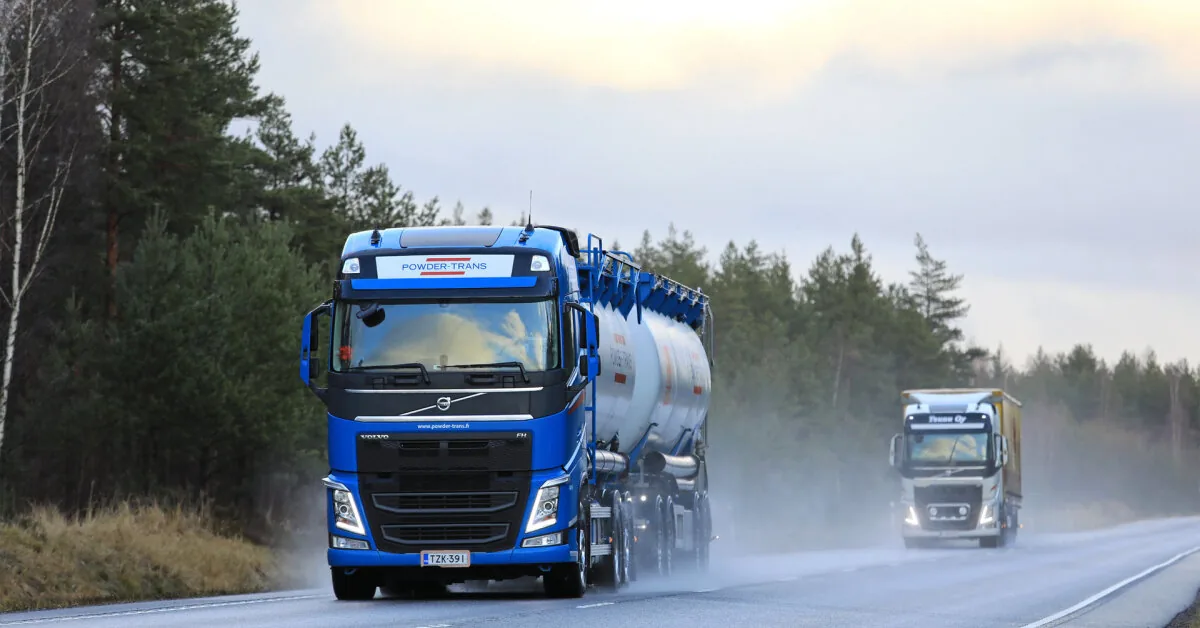
Assessing the situation in specific sectors, the transport and storage sector stands out. According to “Creditinfo Lietuva” data, currently, 68 transitions to bankruptcy status have been recorded, and by the end of the year, the number may rise to 125, compared to 86 such cases in 2025.
As A. Potelis comments, this sector faces pressure not only from market demand fluctuations but also from growing debt and insolvency risks. He notes that greater sector differentiation can be expected in the second half of this year.
“Fluctuating cargo demand, margin pressure, fuel and labor cost levels, long payment terms, and dependence on export markets are the main risk factors. Smaller companies with limited working capital feel this pressure the most, and although the sector has not yet reached a crisis point, tension signals are increasing. In the second half of the year, businesses will need to focus not only on increasing sales volumes but also on properly managing cash flows, payment terms, and maintaining sufficient financial reserves. Managers would also benefit from considering financial payment risk management by using company selection, rating, monitoring, and other tools,” the expert notes.
Mixed signals in the construction sector
Tensions are also present among Lithuanian construction companies. According to “Creditinfo Lietuva,” this sector remains among the riskiest in terms of absolute bankruptcy numbers, debt scale, and signs of financial pressure. Credit bureau data shows that by July 14 of this year, 90 transitions to bankruptcy were recorded, and at the current pace, the number of bankrupt construction companies could reach 167 by the end of the year: in 2025, there were 231 such cases.
Read more Major intersections in Panevėžys are being redesigned: what to expect?
As A. Potelis comments, the main factors maintaining tension in the construction sector are the lack of working capital, long payment terms, dependence on clients’ payment discipline, high financing costs, and pressure on project margins. According to him, subcontractors often feel the risk earlier than main contractors because their cash flows depend more on payments higher up the chain.
“However, in the second half of the year, a tense but somewhat more cautious picture can be expected. If order portfolios stabilize and payments are not delayed, the bankruptcy rate may remain lower than in 2025. However, companies operating with low margins, carrying a large debt burden, or dependent on a few large projects will remain vulnerable. Therefore, during this period, it will be most important to monitor not only the volume of new projects but also payment terms, debt dynamics, the emergence of seizures, and changes in partners’ solvency. Company monitoring and other tools can be used to timely identify factors increasing business risk,” says the speaker.
Most attention to the trade sector
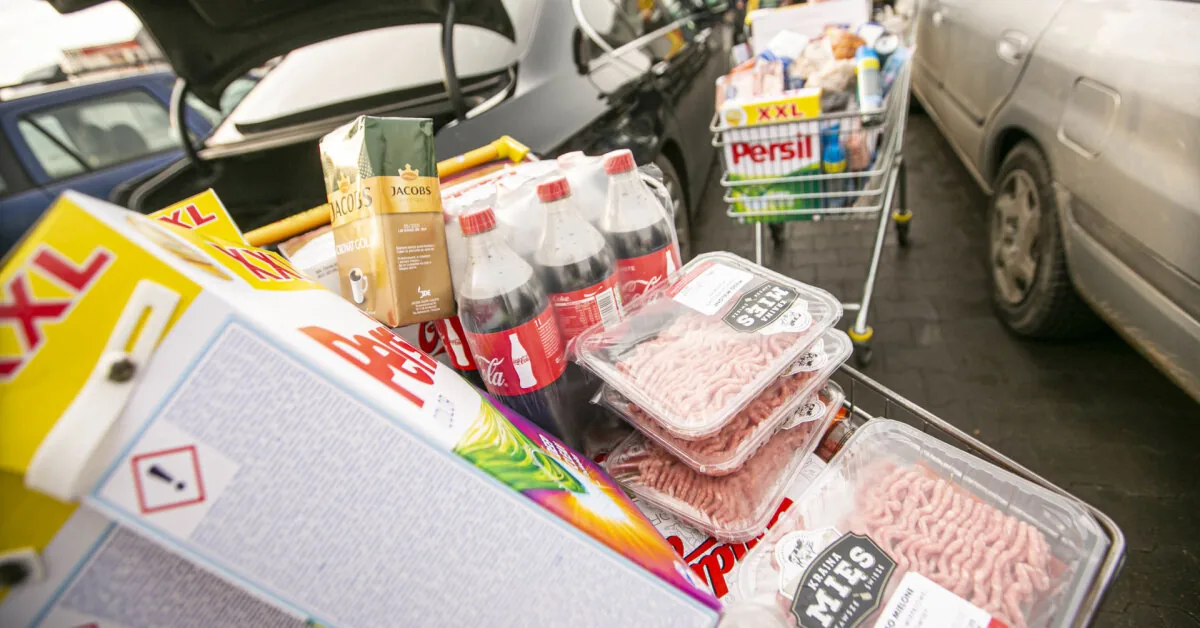
The construction and transport sectors in Lithuania are among the leaders in terms of risk. However, this year, the trade sector stands out the most in the country. The latest data shows that the pace of companies transitioning to bankruptcy status is not slowing down, and some financial pressure indicators are strengthening.
It is estimated that 121 entities in the wholesale and retail trade sector face bankruptcy. At the current pace, this number could reach about 226 cases by the end of the year, compared to 213 cases in 2025. It is stated that the risk of bankruptcy in the sector remains high and may be slightly higher than last year.
“Particularly notable is the amount of seizures for businesses operating here: in 2026, 443 seizures were recorded in the trade sector, with a total amount of about 40.4 million EUR. In 2025, there were 854 seizures worth 27.6 million EUR. Moreover, the average amount of a single seizure roughly increased from about 32 thousand to 91 thousand EUR – nearly three times. Although the number of seizures is currently lower, their total amount already exceeds last year’s level, which may indicate larger individual cases of non-fulfillment of obligations,” comments A. Potelis.
Asked what mainly causes such a difficult situation, he highlights margin pressure, slower consumption recovery, inventory financing needs, as well as higher rent, logistics, and labor costs, and strong competition in the price segment.
“Some trade companies are sensitive to seasonality and payment terms, so even a small turnover decrease can quickly turn into liquidity problems. Add rising fuel prices, inflation-reduced consumer price sensitivity, and Euribor interest rates, and we have a whole range of risk-increasing factors. Considering this, the risk of bankruptcy in the trade sector remains elevated in 2026. Therefore, it is worth carefully monitoring not only sales volumes but also debt dynamics, seizure amounts, payment discipline, and changes in partners’ financial conditions for the rest of the year,” emphasizes Artūras Potelis, head of the commercial department at “Creditinfo Lietuva.”