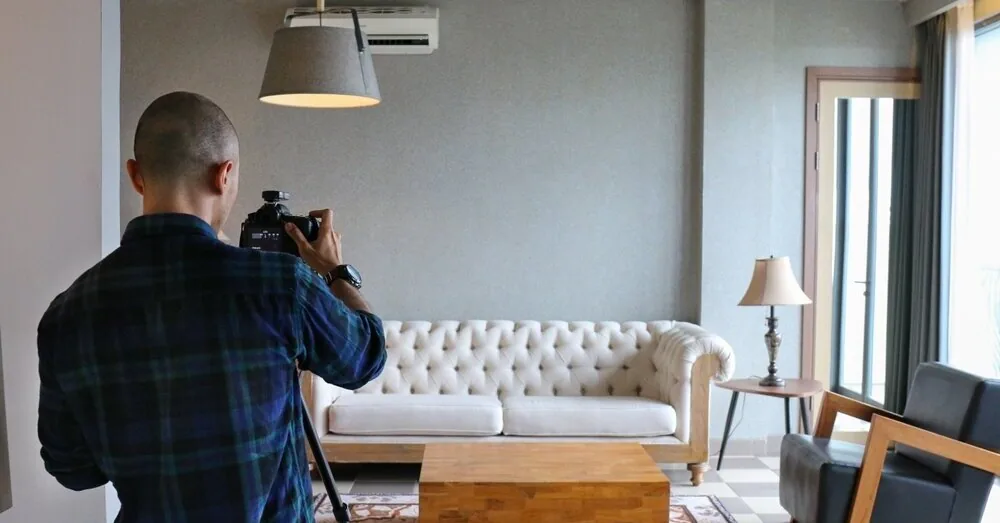
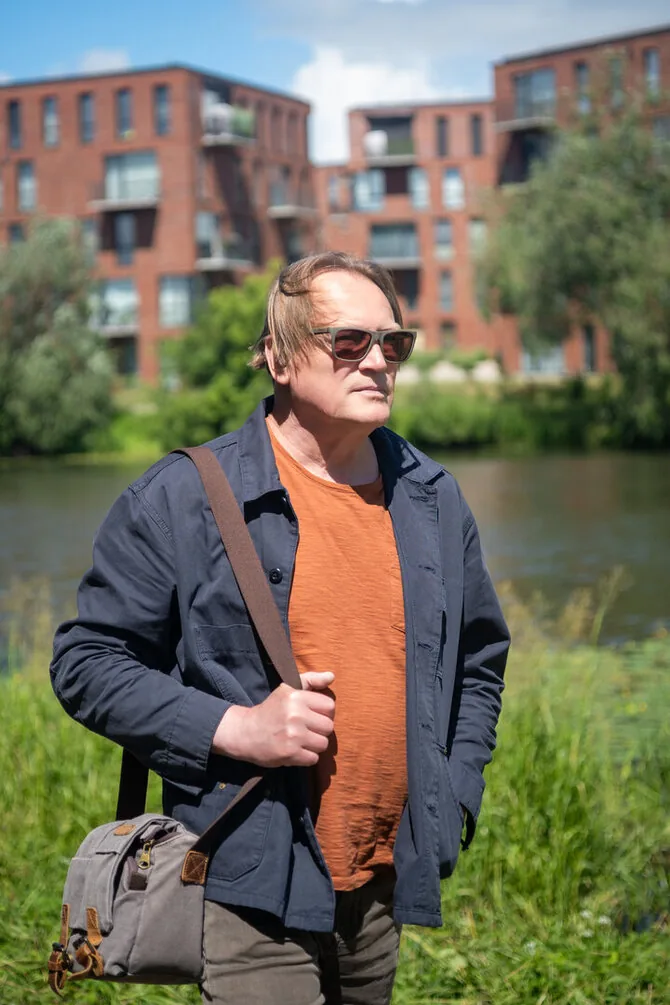
Robertas Gabrys from Klaipėda began his professional photographer career working for daily newspapers, later becoming a freelance photographer, a member of the Lithuanian Photographers’ Union, and was granted the status of Lithuanian artist.
Read more Resident of Alytus district accused of killing a drinking companion
“I am interested in architecture and interior design, and when the www.Paslaugos.lt platform started operating, I also discovered a ‘niche’ in real estate photography,” says R. Gabrys.
According to the photographer, professional housing photography makes the listing visually more attractive; an important factor is a properly chosen main photo and a logical sequence of photos: “Professional photography distinguishes the listing from many similar ones; it is the first contact with the buyer.”
According to Robertas, professional photos objectively show the advantages of the property, thus attracting more views on listing platforms: “Their content engages the buyer more, almost ‘inviting’ them to physically inspect the property for sale, which helps sell the property.”
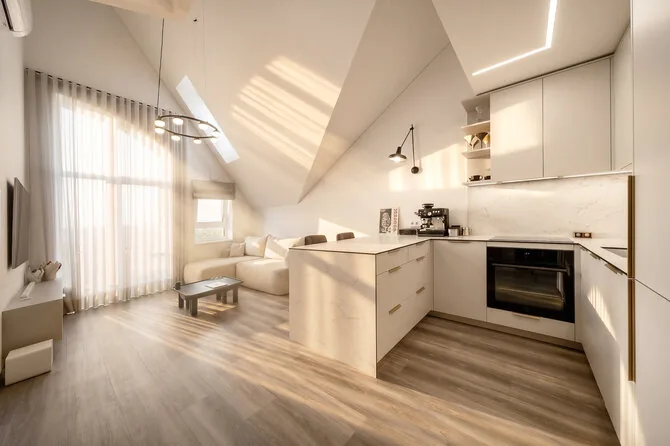
The most important thing is to find the right angle and lighting
In R. Gabrys’s opinion, when photographing a property, mistakes are often made in choosing the angle and composition, and lighting is overlooked. It is also important to properly prepare the property.
“You should find the optimal shooting height and try to keep vertical lines straight. Photograph during the day with natural light; you can turn on room lights that add coziness. Assess the ‘clutter’ of the space with personal items; if necessary, move excess items to an unused room,” advises the photographer.
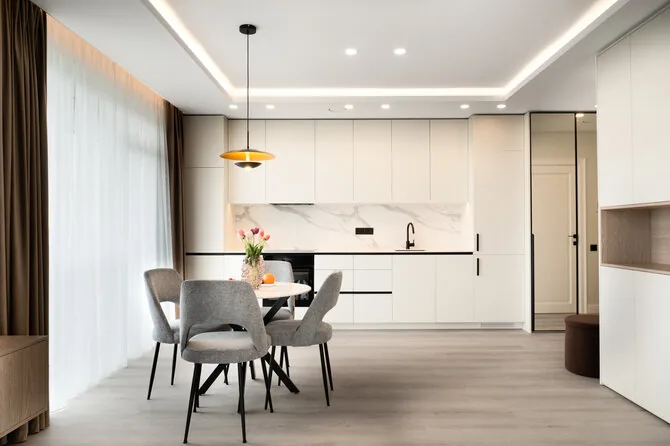
For beginner photographers, R. Gabrys advises finding the best spot from which to shoot and managing the scale of the space: “A bright, sunny property looks better; let the sun rays fall on the floor. The view through the window should be slightly brighter than the room itself. Try to maintain the true colors of interior materials. Remove small defects – wires or other visual noise,” shares Robertas.
For those wanting to engage in this activity, R. Gabrys advises attending photography craft studies or completing photography courses. Communication and business skills, responsibility, meticulousness, and continuous improvement of technical knowledge are also necessary.
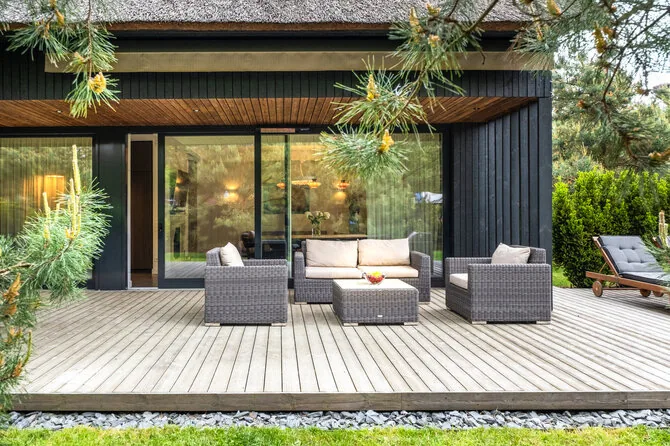
Time is money; clients need photos “here and now”
According to R. Gabrys, professional real estate photos are most often ordered by property sellers, landlords, real estate brokers, and designers.
“In this market, time turns into money, so brokers and sellers usually need photos ‘here and now’; they need to present the layout attractively, the living rooms, bedrooms, and other spaces on websites, and urgently prepare photos,” Robertas shares about his work behind the scenes.
Depending on the client, the content of the photos varies. “When the client is an interior designer, I capture aesthetics, quality, and authorial uniqueness; when the property is prepared for rent, I try to create a cozy emotion, photograph functional zones, show comfort and ‘lifestyle.’ If the client wishes, I photograph with a drone – I look for the best angle and show the attractiveness of the location, but in this case, it is important to know drone no-fly zones and altitude restrictions,” says R. Gabrys.
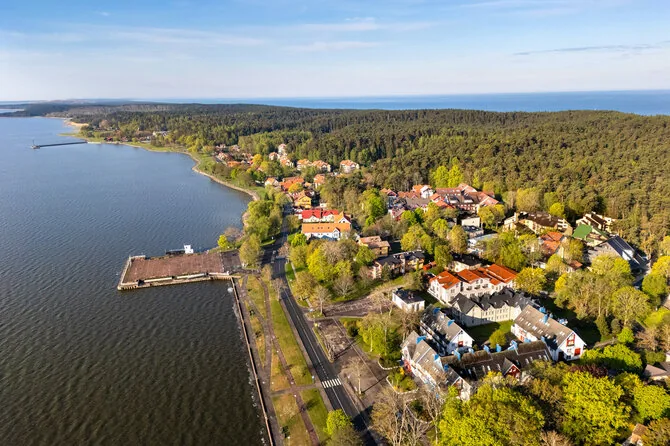
Service price starts from 100 euros
The price of R. Gabrys’s services depends on the complexity of the order. If it is necessary to photograph an 80–100 sq.m. house for sale – the evaluation includes distance, number of photos, complexity (lighting, editing), whether exterior photography is needed (not always requested by the client), whether the rooms are prepared for photography, whether a repeat visit is required, or if drone photography will be done. The average price in Klaipėda city is 100–200 Eur.
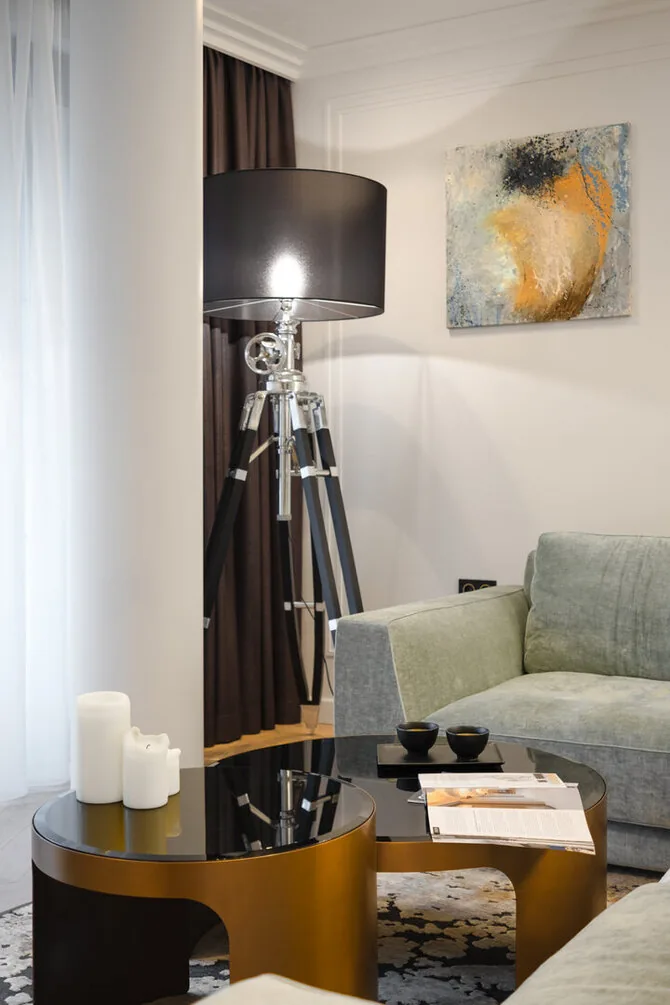
In the future, according to R. Gabrys, an interactive listing model will prevail, where with one button press we will see how shadows fall in the apartment’s living room on summer evenings and what view we will see through the window in autumn.
“It will be possible to communicate by voice with the listing assistant and receive emotional experiences. However, despite technological innovations, the services of a professional real estate photographer will still be needed,” R. Gabrys is convinced.
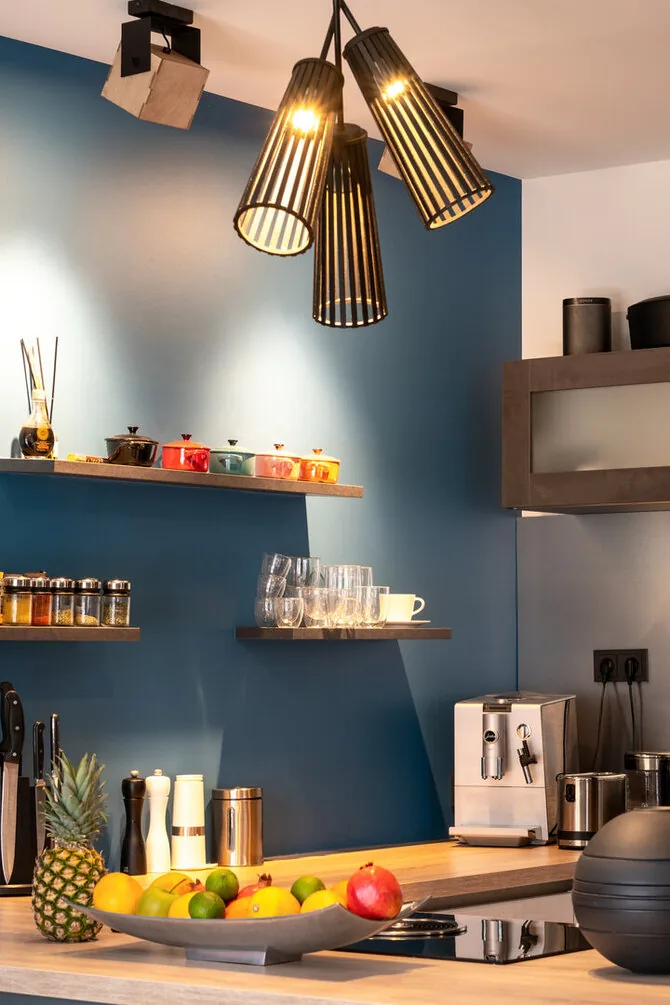
From emotionally appealing to informative photos
Donatas Babenskas, working in Kaunas and Vilnius, began his career as a commercial and advertising photographer in 2004.
“Both fields are intertwined. Working as a commercial photographer, you encounter the need to photograph premises, buildings, or do jobs that are quite similar in their specifics. This leads to competence and specialized equipment used also for real estate listing photography,” says D. Babenskas.
Read more Official: Ignas Sargiūnas introduced in the new team

According to the photographer, real estate is a specific field; it is not an emotional purchase – a beautiful photo can catch the eye to view the listing, but if there is no informativeness, the view may not turn into a call to the property owner or broker.
“Visual attractiveness of photos is not always necessary. A property for sale or rent can be of various types, so different tactics and strategies are used,” states D. Babenskas.
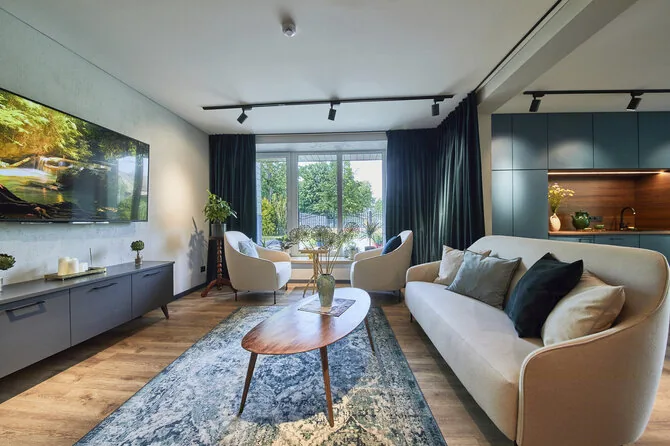
In some cases, photography is carefully planned, waiting for certain weather, choosing the right time of day to have maximally beautiful and emotionally appealing photos.
“Sometimes such photography takes 3-4 days until we have the full set of photos, and it is quite an expensive pleasure chosen by sellers of new or expensive real estate or certain commercial real estate developers,” says Donatas.
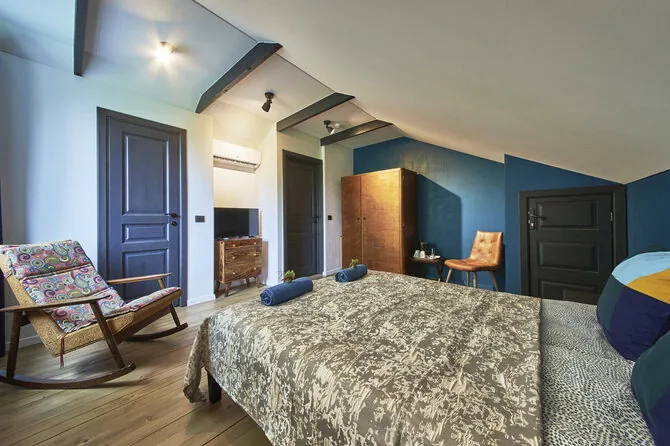
In other cases, usually tidy and informative photography is chosen. “This is much cheaper, and if the photos are informative, the effectiveness of the listing increases several times,” says D. Babenskas.
Professional photos – a powerful tool
According to the photographer, professional photos are not only beautiful but also tidy, informative, and targeted at the intended user: “Photos themselves do not sell the property, but they are a powerful tool that, when used properly, creates a larger flow of potential clients.”
If the photos are of poor quality, that is half the problem. “Worse are uninformative photos, where without a floor plan you cannot imagine where things are. This greatly reduces the number of potential client calls. Also, if the client sees corrections made by primitive editing or artificial intelligence programs, such listings are often simply closed – a protruding wire or crumbling plaster is a lesser evil and does not cause such a rejection reaction,” the photographer states.
Some care about efficiency, others about beautiful photos
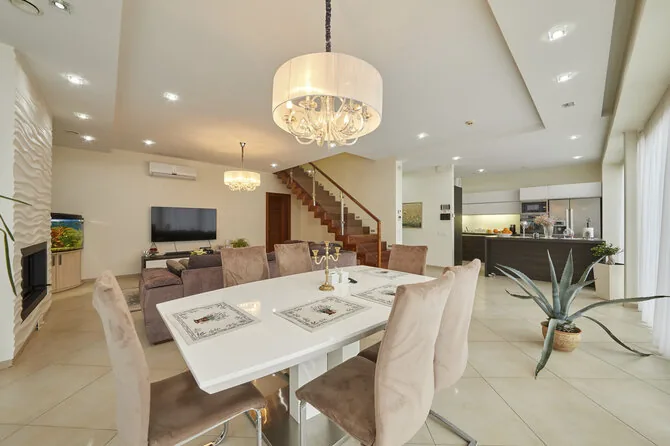
D. Babenskas’s main clients are brokers and real estate developers, as well as people selling or renting real estate independently.
“Commercial clients focus on results and efficiency, so a low service price is not the main indicator for them; more important is the effectiveness of the photos and the listing overall, as well as the time taken to complete the order. Private individuals usually care about the service price and what they get for it. And, of course, the expectation to receive more beautiful photos that help sell the property. Essentially, the most important thing is to complete the deal as quickly as possible, and as a professional photographer, I try to help achieve that,” says Donatas.
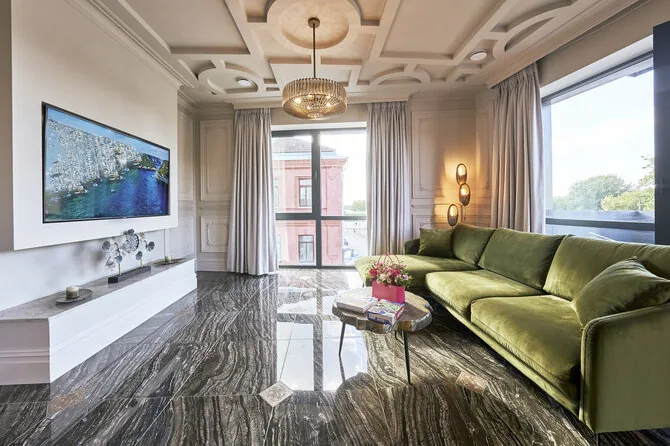
The price of services depends on the size of the property and the qualitative level of photos
D. Babenskas’s service prices start from 90 euros for photographing a one-room dormitory-type apartment up to 150 euros for a four-room apartment. Donatas works in Vilnius and Kaunas, so transportation costs are included in these cities.
“The final price depends on the size of the real estate object, which determines the scope of work. The price is also influenced by the chosen qualitative level of photos; this affects the complexity of photo preparation and the time spent at this stage,” says the photographer.
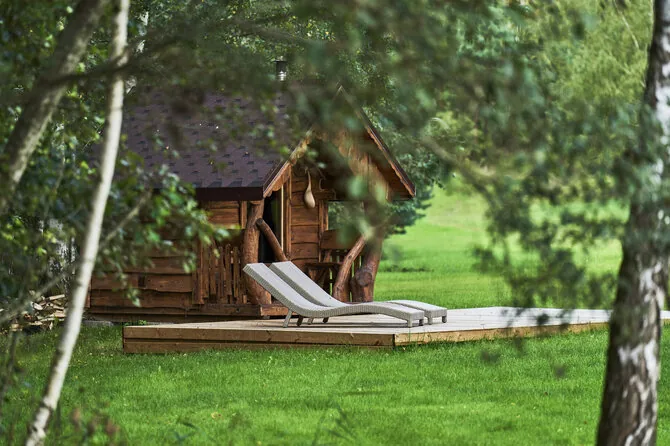
In the future, the listing will be an interactive digital ecosystem
For those wanting to photograph the property independently, D. Babenskas advises that the most important thing is that the photos are tidy and informative. “If possible, choose suitable weather or time of day for exterior photos; if you want to show the apartment’s lighting solutions, check for burnt-out bulbs.
Clean surfaces from fingerprints, make the bed neatly, adjust curtains. Don’t worry about small defects; in wide-angle photos, they are usually not noticeable. If you currently live in the property, tidy up so that the space is maximally depersonalized, so the future client can imagine how they will feel in that home,” advises Donatas.
Speaking about the future, D. Babenskas believes that the listing will no longer be just an “information board”: “It will be an interactive digital ecosystem where the buyer can make an emotionally strong and data-driven decision within minutes, without even visiting the property.”
Read more Ukraine sanked an FSB ship: there are dead and injured