The story allows us to see how the environment of Palanga, favored by interwar Lithuanian diplomats and creators, gradually took on a new form and how one of the country’s most striking modernist buildings appeared there, which still remains a vibrant and publicly accessible cultural space.
Read more City authorities stop charging for the parking lot: what is unclear to the municipality?
“The Lithuanian National Library preserves testimonies of the past not only in books, manuscripts, or archives but also in spaces significant to our culture. Such is the Palanga summer reading room, where architectural heritage, reading tradition, and active cultural life meet,” says Aušrinė Žilinskienė, Director General of the Martynas Mažvydas National Library of Lithuania.
The only building of this type on the seaside
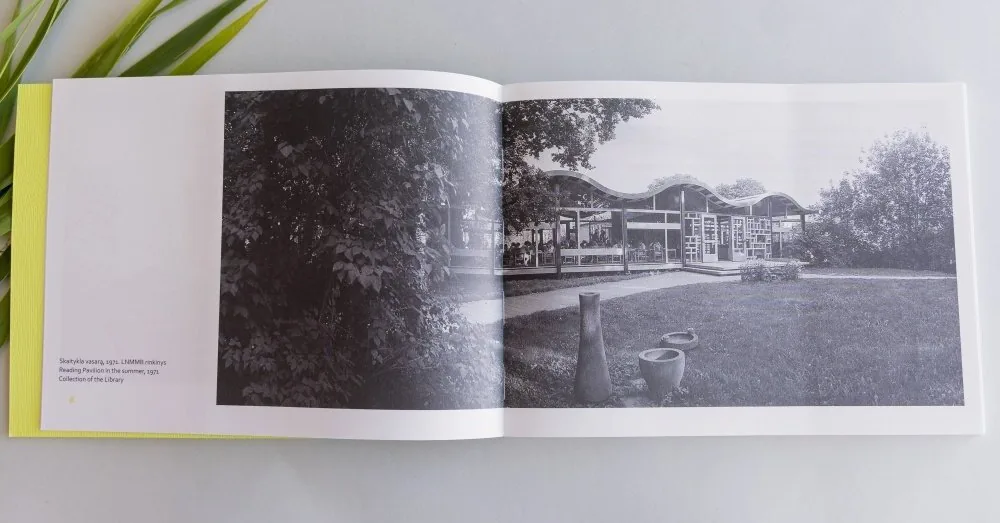
The Palanga summer reading room is one of the first in Lithuania and the only surviving organic modernism pavilion on the seaside to this day, having preserved its original purpose for more than six decades.
Designed 60 years ago by architect Albinas Čepys, the seasonal reading room stands out with its wavy roof, wooden frame, and glass walls, allowing the building to harmoniously blend into the environment. In 2014, the reading room was included in the Register of Cultural Values, and in 2025 it was presented at the Venice Architecture Biennale as an example of Lithuanian wooden modernist architecture.
“The Palanga summer reading room is an excellent example of organic modernism, showing how architecture can adapt to the natural environment rather than trying to change it,” says the editor of the publication “Summer Reading Room in Palanga,” architectural historian Prof. Dr. Marija Drėmaitė.
One publication – two stories
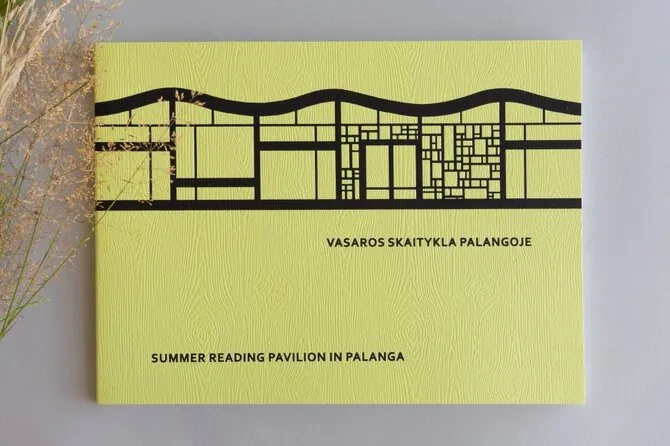
Even before the Palanga summer reading room was built, a summer house of diplomat, writer, and public figure Jurgis Savickis’s family stood in this place. The publication “Summer Reading Room in Palanga” brings together for the first time in one place the building’s architectural history, archival sources, and material about the J. Savickis family who previously lived on this plot and the issues of that time.
Read more Fedorova poured salt on the wound: urged to hold elections in Ukraine
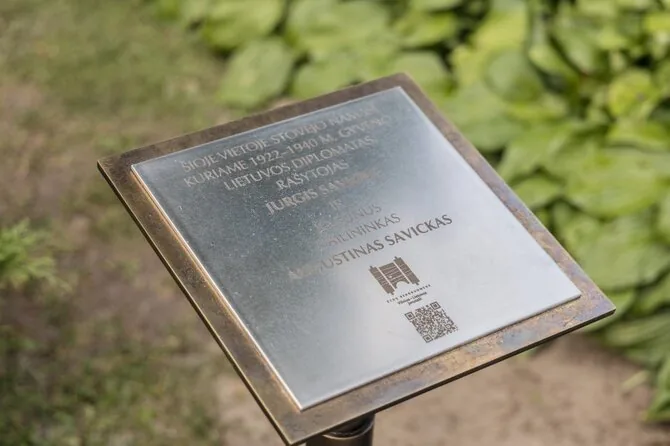
A memorial plaque unveiled on the occasion of the reading room’s 60th anniversary marks this lesser-known stage of Palanga’s history and reminds of the local connection with a prominent figure of Lithuanian culture and diplomacy of that time. The research was supplemented by the family archive handed over to the National Library by J. Savickis’s grandson Raimondas Savickas, which helped to more accurately reconstruct the history of this place.
Archival photographs, documents, and historical research allow a better understanding of the circumstances of the reading room’s creation and its place in the history of Lithuanian modernism. The publication reveals what makes this pavilion stand out in the context of Lithuanian architecture and why its preservation is important for modernist heritage.
The publication can be purchased at the Science and Encyclopaedia Publishing Centre bookstore located in the National Library, as well as in the online bookstore and at the Palanga summer reading room during the season.
A new stage before restoration
Research on the history of the reading room is important not only for understanding the past but also for planning the future of this unique cultural heritage site. On September 10–11, a symposium of architecture students and experts from Lithuania and Denmark will be held at the Palanga summer reading room to discuss restoration possibilities.
Specialists will seek solutions on how to preserve the unique architectural features and cultural value of the building, and new research will help better understand the pavilion’s significance and make necessary decisions.
Read more Gytis Volkavičius stunned with changes: shared how he lost 15 kg in a month and a half