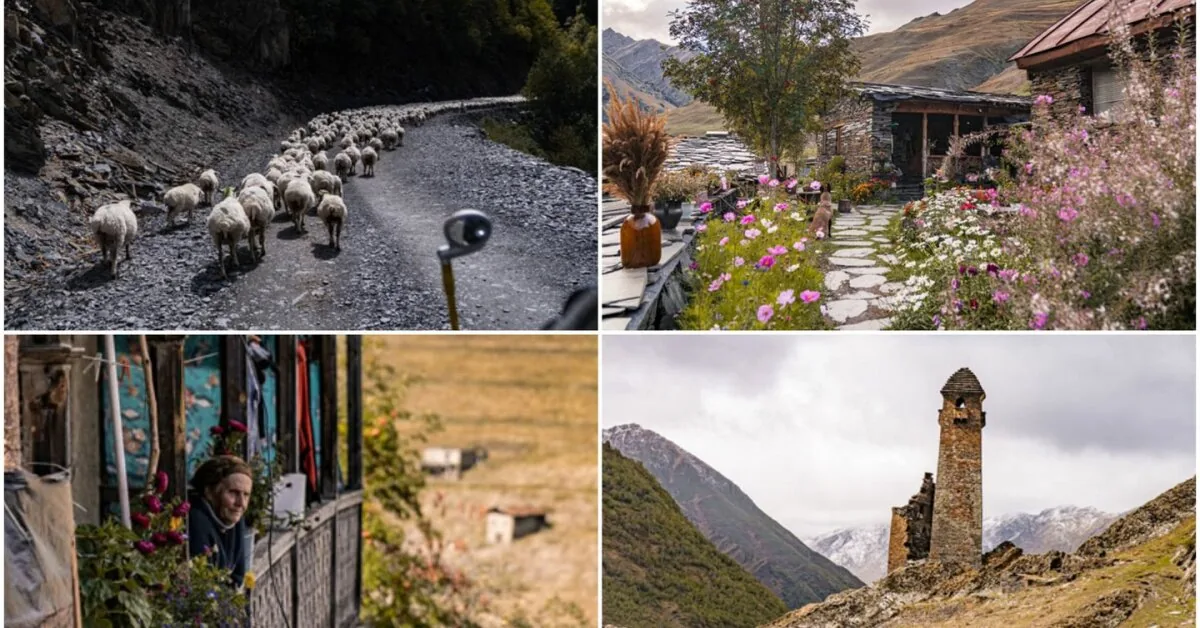
Tusheti – the least touched by civilization, historic region of Georgia, included in the UNESCO heritage lists.
Read more Can you answer 10 difficult general knowledge questions?
This region is located at an altitude of 900–4800 m and is surrounded by a mountain range that has protected this land from enemy attacks for many years.
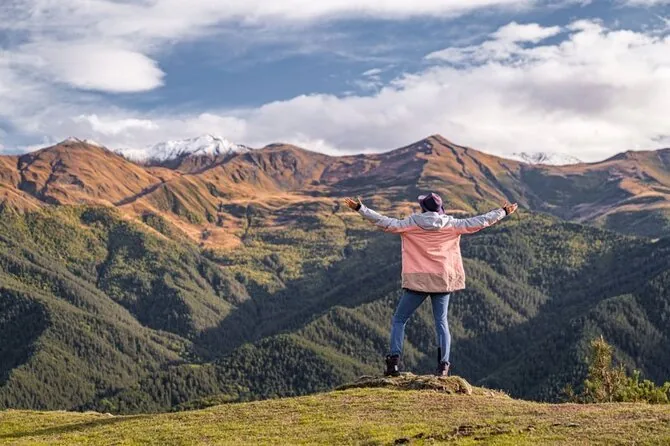
“A place accessible only by one road, not the friendliest, unpaved, sometimes unpredictable, but for those who dare to take on this challenge, it opens views of exceptional natural beauty and a history written over thousands of years. Arriving here, you get the feeling as if you found a door to the past in a closet, or even to a completely different world, with different traditions, different people, different nature,” says I. Ciesiūnaitė.
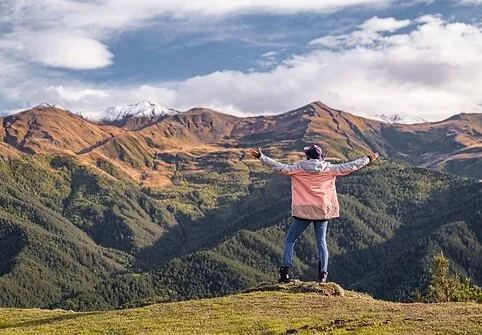
It opens views of exceptional natural beauty and a history written over thousands of years.
According to her, it will be an experience worth every hour of planning, worth the anxiety of climbing a 3 km high off-road serpentine, winding along the edge of an abyss, worth the cold wind blowing through the crack in the house wall – all this makes the greatest impression and leaves indelible memories.
“Challenges during the trip, not the most comfortable living conditions – this is an adventure you will talk about for a long time with your friends and family,” is I. Ciesiūnaitė’s conviction.
By the way, this region is accessible only a few months a year.
History
Based on archaeological material found in Tusheti, people settled here in the late Bronze Age, but there is very little information about the Tusheti region in Georgian historical sources. This very remote region preserves hundreds of years of history and many unanswered questions about the mountain people who lived here for many years.
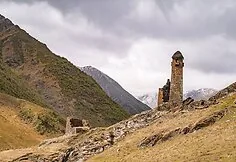
One of the most interesting objects here are the Tusheti towers. These tall stone structures were created to protect families from various dangers: they provided shelter in the harshest conditions and were used as watchtowers – fortresses where locals hid from enemy, Chechen, and Dagestani attacks.
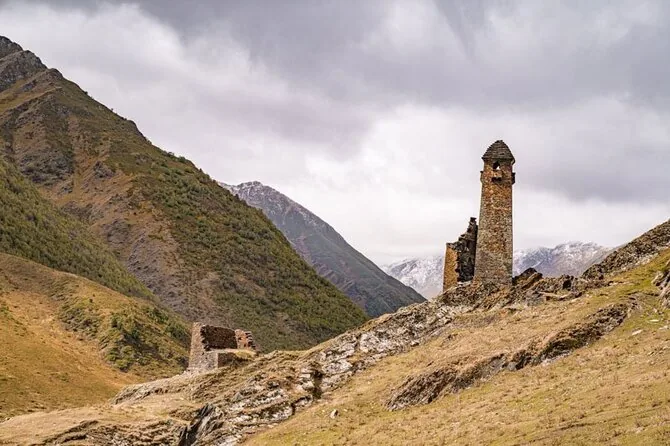
Cast iron animal figurines dating from the 4th–5th centuries are found in these towers. Similar towers were built in the Svaneti region, but their construction method and architecture differ significantly.
The towers built in Tusheti resemble beehives in shape, were built from flat stones stacked one on top of another without using reinforcing materials. At first glance, this may seem like a primitive and unreliable construction method, but these towers helped defend against enemy attacks and huge snowstorms for hundreds of years, and many of them still stand in the mountains, telling their long and difficult history.
The towers built in Tusheti resemble beehives in shape.
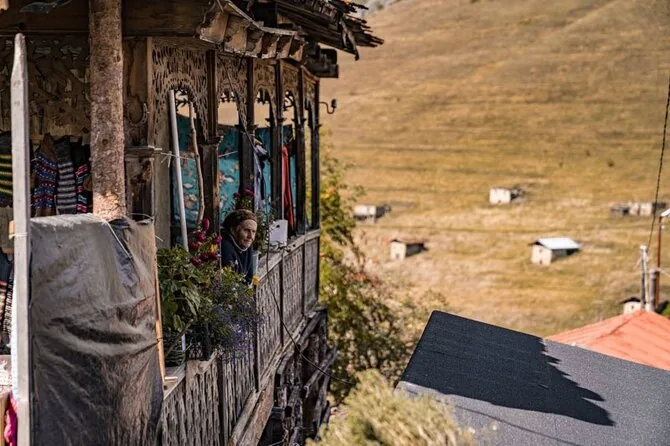
To this day, each Tusheti village has defensive and signal fortress towers from the 17th–18th centuries. In the second half of the 19th century, residential fortresses lost their defensive function, and the process of remodeling them and building new types of residential houses with balconies began, taking into account changed socio-economic needs and architectural aesthetics.
In the 8th century, Tusheti is mentioned as part of the Tsuketi principality, located within common administrative borders with the North Caucasus tribes, subordinate to the Kingdom of Georgia – the Khundzakh community. Christian monuments from the 9th century in Ingushetia and Dagestan show that Christianity must have been widespread in the region by that time.
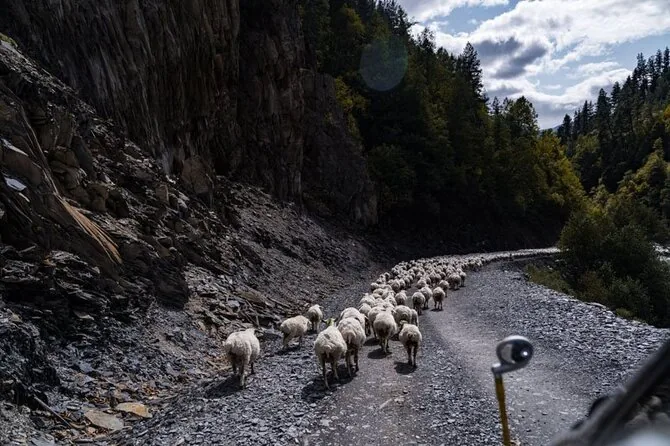
According to sources, in the 16th century, Tusheti was annexed to the territory of Kakheti by the initiative of King Levan. This is the first historical source mentioning sheep breeding in Tusheti during the summer season, driving them to winter pastures in Kakheti.
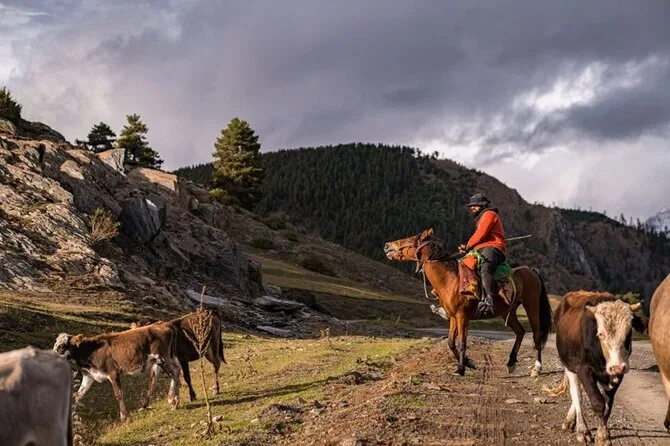
Thousands of herds are brought here every summer season.
Tusheti has long been known as a sheep-breeding region. Later sources, from the 17th century, mention the Tushetians in a charter inscribed on stone by Ekvtime Takaishvili, who filled the lowland pastures with their large sheep herds during the winter.
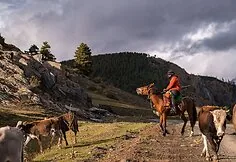
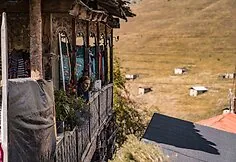
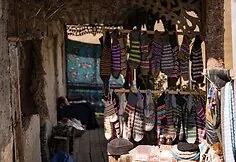
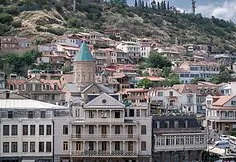
Sheep breeding has not lost its economic importance in the Tusheti region to this day; thousands of herds are brought here every summer season, raised and sold not only in Georgia but also beyond its borders. The mutton raised in the Tusheti region is valued as the highest quality meat.
Without permanent residents
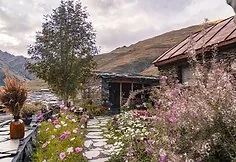
I. Ciesiūnaitė says that today there are almost no residents in the region who spend the entire season here. Most people come only during the season, raise livestock, and host tourists from all over the world.
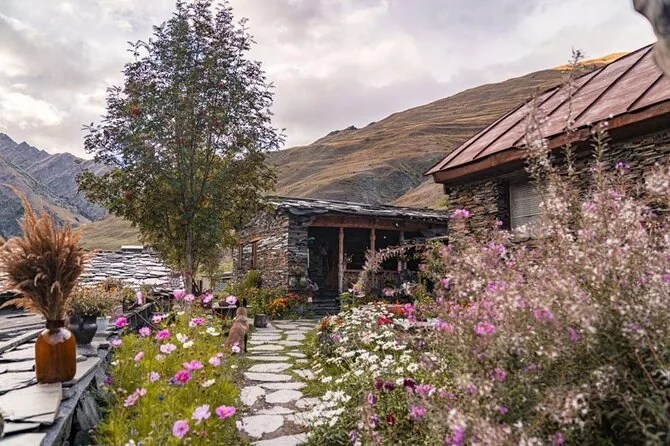
“In every village, you will find family-type guesthouses where you can rest, taste local food, and hear interesting stories from life in the mountains,” says the Lithuanian.
Capital
The capital of Tusheti, or the main settlement, is Omalo, which is located at an altitude of 1880 m above sea level.
“Here you will find the most places to stay, an information center, a small museum, and in case of an accident, you will receive at least minimal help. The town is not large, but it is the center of all regional life.
You will also find mountain guides and horse leaders here who can offer various routes in the mountains that you will not see by car,” says the travel organizer.
The highest settlement in Europe
She also highlighted Bochorna – a mountain village in Tusheti, located at an altitude of 2345 meters above sea level, officially considered the highest inhabited place in Europe.
“According to 2014 data, only one person officially lived in this settlement, but that was enough to maintain this status as the highest settlement. Whether this person really lives there all year round is highly doubtful, as the village is inaccessible for 8–9 months a year.
Meanwhile, in another Georgian region – Svaneti, there is the Ushguli settlement, located at 2200 meters altitude, inhabited all calendar year. The residents of this town are convinced that the status of the highest settlement should be transferred to them,” says I. Ciesiūnaitė.
Seasonality
According to her, those planning to visit Tusheti should remember that this region is accessible only by one road and is located high in the mountains, so it can only be reached during the warm season, which is very short here.
The trip should be planned no earlier than July.
“Usually it starts in mid-June when the road becomes passable, but this year the road was opened only in July, so to be sure you can cross the mountains and get to this region, the trip should be planned no earlier than July.
It also starts snowing here much earlier than in other regions, so we would not recommend traveling after mid-September. If the road is heavily snowed in, you may have to stay and winter here,” advises the travel organizer.
According to her, Abano Pass is often titled the most dangerous road in Europe – and it is the only way to reach the Tusheti region.
“It is the highest mountain pass, usually opened in the first half of summer, closed in early autumn. The rest of the time this road is closed due to heavy snow, avalanches, and landslide danger.
Abano Pass is often titled the most dangerous road in Europe.
This road is not paved, its width in some places is not enough for two cars to pass, let alone heavier transport, it has no barriers or protective nets in case of collapse – so it requires a lot of knowledge and driving skills,” says the travel organizer.
No gas stations
There are no gas stations, shopping centers, or restaurants in Tusheti, so it is necessary to prepare everything in advance.
“It is always advisable to have an extra fuel tank because cars consume much more fuel in the mountains than the gauge initially shows.
Also, buy snacks and drinks, which will be much more expensive or not found at all in the mountains.
There are no gas stations, shopping centers, or restaurants in Tusheti.
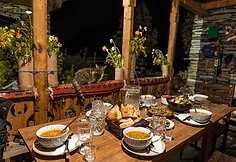
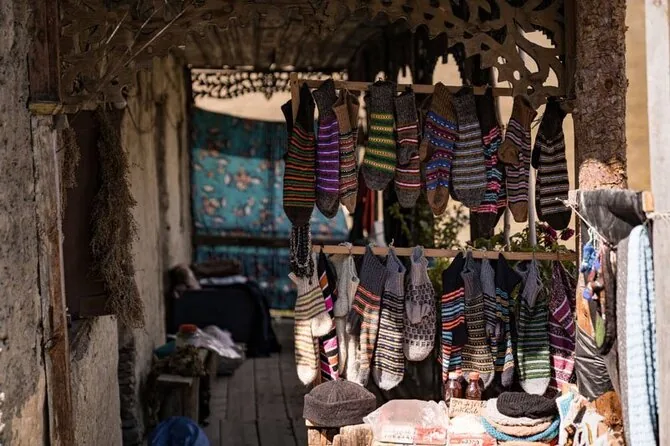
On the other hand, you don’t have to worry about restaurants – hotels can provide both breakfast and dinner – you will eat natural, fresh, and traditional food prepared by the hosts,” lists I. Ciesiūnaitė and warns that you will not find luxury in this region; all family hotels are decorated in a similar style and are simple but cozy.
“True, there is one really expensive hotel with all amenities, but its price reaches triple digits, and staying there you will not feel the authenticity, taste homemade food, or get to know the local culture. Therefore, for people who like civilization and comfort, this region is not the best choice.
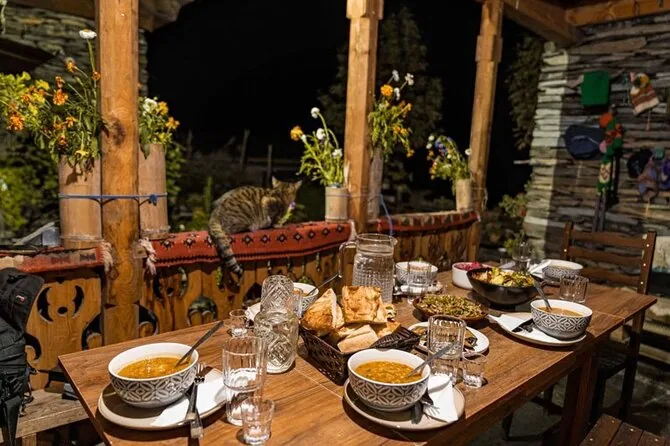
Before booking a hotel room, find out if the bathroom is in the same building (in cold weather you won’t want to run several meters to the nearest toilet or shower), ask for photos of the room and dining area, ask if there will be a place to charge mobile devices – in this region such seemingly silly and elementary questions can help avoid many misunderstandings,” shares I. Ciesiūnaitė with advice.
Traditions
The Lithuanian reminded that when arriving in this region, it is very important to show respect for the old regional traditions. According to the travel organizer, although some of them may seem somewhat strange and sexist – here you are a guest.
“You should not show your dissatisfaction when you see a sign that women are forbidden to enter certain areas, do not try to persuade locals or deliberately cross the indicated boundary – these are their old culture and traditions that have not changed for hundreds of years and it is our duty to respect them.
You can see such signs near old religious sites or places where councils of elder family men met to resolve serious village or settlement issues.
Also, women should not take the initiative to make a toast at the table, although this is accepted and allowed in almost all Georgian regions, still in Tusheti, sitting at the table with local men, let them lead the speeches and be grateful for the opportunity to sit at the same table,” listed I. Ciesiūnaitė.
It remains the least touched by civilization land that anyone willing can visit.
Although some may be frightened by the hard-to-reach Tusheti region, according to the travel organizer, this place is truly unique and remains the least touched by civilization land that anyone willing can visit.
Read more Russian court upheld the ban on the Yabloko party participating in parliamentary elections