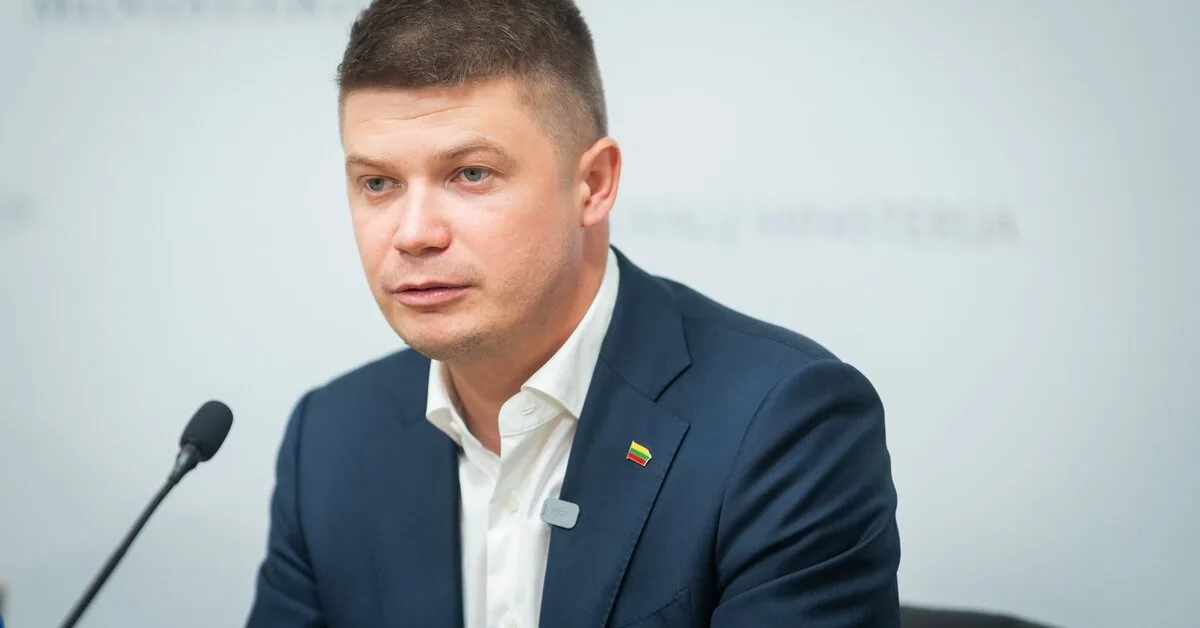
Yes, he spoke after the Latvian Ministry of the Interior announced that the Baltic Sea region countries have agreed to establish a new rapid response group to counter growing hybrid threats.
Read more Statement from «Real» led by the new coach: 46 points per quarter against the Basque basket
According to M. Katelynas, the purpose of the channel being created is to promptly exchange information about planned or occurred acts of sabotage or other hybrid attacks, coordinate prevention and possible response actions.
“We see that similar sabotage cases are repeated in different European countries, similar methods of operation are used. Therefore, we cannot consider these incidents as isolated and unrelated events. We must share information, compare data, and see the bigger picture,” the minister explained.
He stated that more and more data shows that Russian special services are prepared to use sabotage and other hybrid influence methods against European countries, so the response of the countries must be strong and coordinated.
“The network being created will allow the responsible ministries of the region to promptly exchange information about incidents, their nature, methods used, and possible connections. If a new mode of operation is identified in one country, other countries must learn about it immediately. Information must move faster than the threat,” M. Katelynas said.
“We must move from reacting to individual incidents to a common European assessment of the situation. Europe must be prepared not only to respond to hybrid attacks but also to prevent them,” he added.
As BNS wrote, incidents considered by Western countries as hybrid attacks directed against them are becoming more frequent in Europe.
It was previously reported that intelligence warned that Russia is considering attacks on the critical infrastructure of NATO’s eastern flank countries using Ukrainian drones.
Read more 1.4 thousand users in Lithuania still do not have electricity