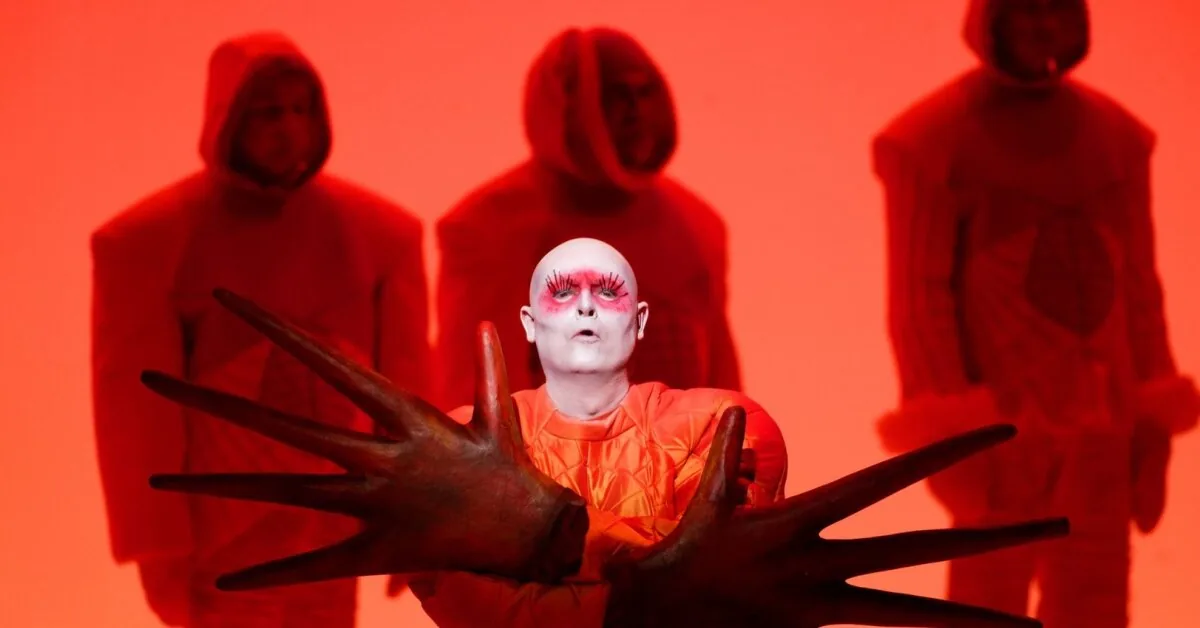
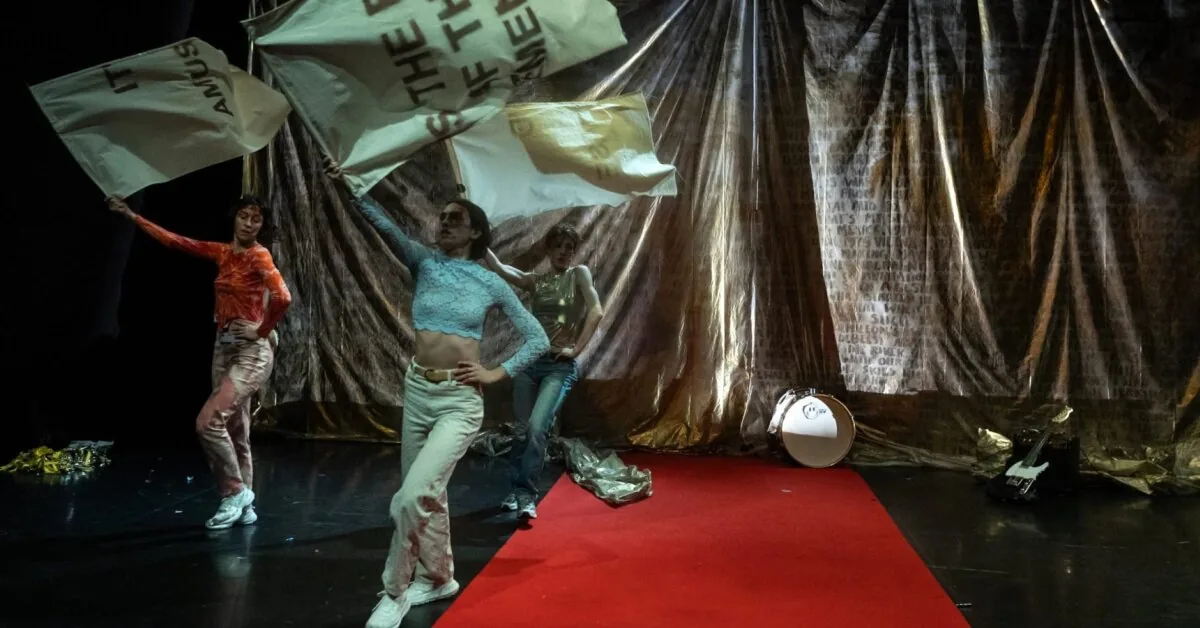
With this performance, the multicultural Old Theatre opens the doors to its 113th season, greeted by the slogan: “Dancing, performative, dramatic”.
Read more In the Telšiai district, an emergency situation is being considered due to the storm
It is impossible to avoid either the horror or the beauty of life
“LIMBO” is a performance about the impossibility of avoiding either the horror of life or its beauty. About the absurdity of living life immediately, on the first try, without rehearsals and training. About the curse of repetition and the fact that we will have to repeat the same limited number of words throughout our lives.

According to director I. Moščickis, the result is an open work that does not impose any single “correct” interpretation. Instead, viewers are invited to take the author’s position together with the creators, both regarding the performance and the world beyond the theater’s boundaries. “Each viewer will create their own performance, and each such performance will be wonderful,” the director asserts.
What is limbo?
Limbo is both the first circle of Hell in the “Divine Comedy” and a state after divorce, after the death of a loved one, after emigration, after war, after being fired from a job; a place without suffering but also without hope. The word “limbo” is often used in texts about refugees, transit camps, asylum waiting, deportations. It is also the name of a British submarine bomb release device. There are many meanings.
The director himself does not attach to any of them, trying to reveal nuances, speaking about the state of a person who is in an undefined intermediate stop, a turnover, in other words, experiencing instability, which is also the state of the contemporary world. This diagnoses a modern-day ailment that could be called anxiety about the present and the future.
The plot line is imaginary, though easily predictable: strangers meet at bus or train stations, perhaps also at the Venice vaporetto stop or Frankfurt airport. For all, this is a transit point, a place without existing ties, with which no one is connected.
These are circumstances and a place where one can share their greatest joy, fears, or shame. One can be heard without fear of being judged or rejected. One can be silent, sing, be oneself, be anyone, lie, pretend, invent. Without consequences.
Space and experiment
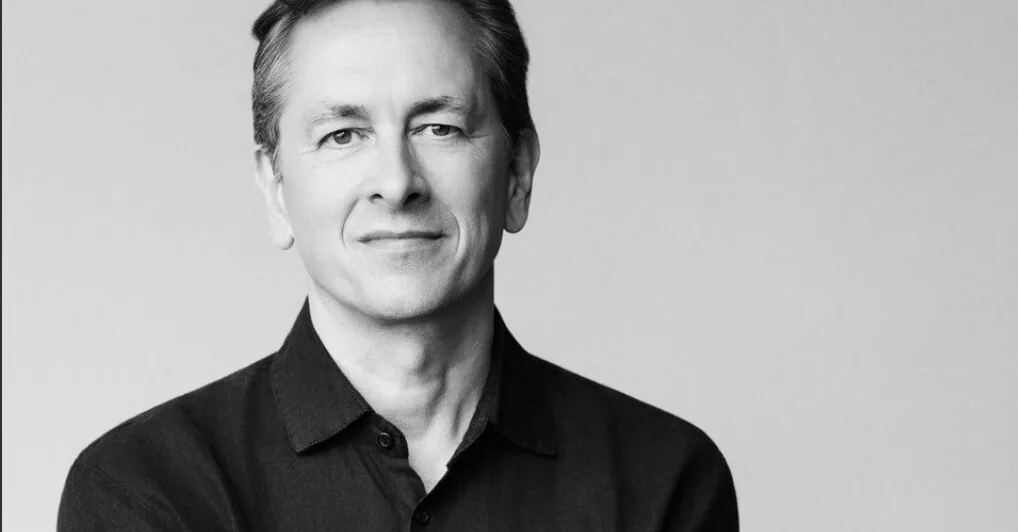
I. Moščickis is an Armenian theater director and curator, seeking new forms of communication between the viewer, performer, and space in his work, an experimenter. He uses theater as a place of research and shared experience.
Read more “Delfi” owners “Ekspress Grupp” allowed to acquire outdoor advertising company “LT Advert”

Director I. Moščickis has stated: “I do not trust traditions. Essentially, I trust nature more than culture. Speaking of influence, at one time my understanding of theater and life was completely changed by Eimuntas Nekrošius’s performances, but I was also profoundly affected by the beauty of the ‘Devil’s Gate’ gorge in the mountains.”
On September 3rd, at the Old Theatre in Vilnius, as a kind of prelude to this performance, there will be a lecture by critic and director Marina Davydova titled “The axial time of contemporary theater: when does it begin and how to understand it.” It will attempt to answer fundamental questions: how did the emergence of the director change theater and how did directorial theater itself evolve?
Speaking about the necessity of art, I. Moščickis was open: “I think art is the only way available to a person to establish a connection with the world. The only way to perceive, interpret, and accept it. Reality is hidden from us, and around us, we cannot find any other tool that would allow us to excavate reality from under a dose of ruins. Honestly, I am amazed at how people manage to cope with life without the help of art. Without theater. One can go mad.”
Ilja Moščickis: “Armenia is currently the best place for non-normative art”
When the war against Ukraine began in 2022, the director left Russia and works and lives in Yerevan. His notable directed performances include: “The Trial of John Demjanjuk. Holocaust Cabaret,” “The Book of Anxiety,” “Michael Craig Martin’s Oak,” “To Forget,” etc.
I. Moščickis: “Yerevan today is a great place to create theater. It is a place where there are no established and sanctified boundaries. Armenia may currently be the only place in the world where there is complete freedom for non-normative art. For many reasons, here are a few: distrust of rules, trust in people, and millennia-old relationships with Chaos.”
Currently, I. Moščickis leads the international theater platform and troupe “Chronotope,” founded in 2018. He is also one of the curators of the international contemporary theater and performance festival “Chronofest.” “Chronotope” implements original theater projects, and the festival unites independent artists and theater collectives from various countries.