









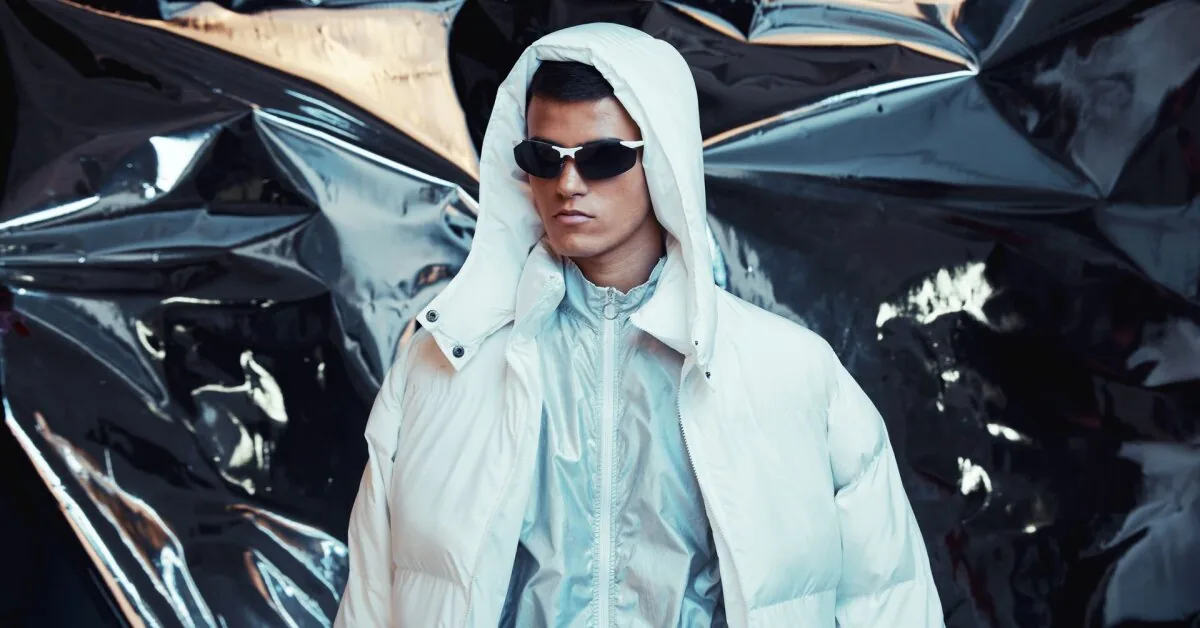
Fashion technologies are undergoing one of the biggest transformations in their history – new fabrics are born in laboratories, smart clothes are created, and solutions are sought for a problem that experts call the modern consumption crisis.
Read more Ulanovas assessed Juventus’ run: ‘Can’t say it’s a huge surprise’
“Fashion is one of the most polluting industries in the world. Every year, the amount of textile produced continues to increase, and fast fashion factories produce enormous quantities of clothes daily. Low prices encourage fast and high consumption,” says Rimantė Rimgailaitė, a lecturer at the Fashion Design Department, in a press release from Vilnius College (VIKO).
According to the European Environment Agency, the average European purchased 19 kilograms of clothing, footwear, and home textiles in 2022 – the highest indicator throughout the entire monitoring period. In the same year, about 16 kilograms of textile waste per inhabitant was generated.
Future Fabrics Are Already Being Developed Today
Although discussions about fashion usually focus on colors, collections, or trends, the biggest innovations today are happening in laboratories.
“The most surprising are sustainable solutions and new bio-fabrics. Materials from algae, banana or pineapple fibers, and textile dyes from sugar are already being developed. Alternative leather technologies are emerging. Smart fabrics are also being developed that react to human body temperature, have antibacterial properties, can even help minor skin lesions heal faster, absorb or even generate energy from movement. This is especially relevant in the sports, medical, and workwear sectors,” says lecturer R. Rimgailaitė, who monitors the latest technologies and trains new fashion technologists.
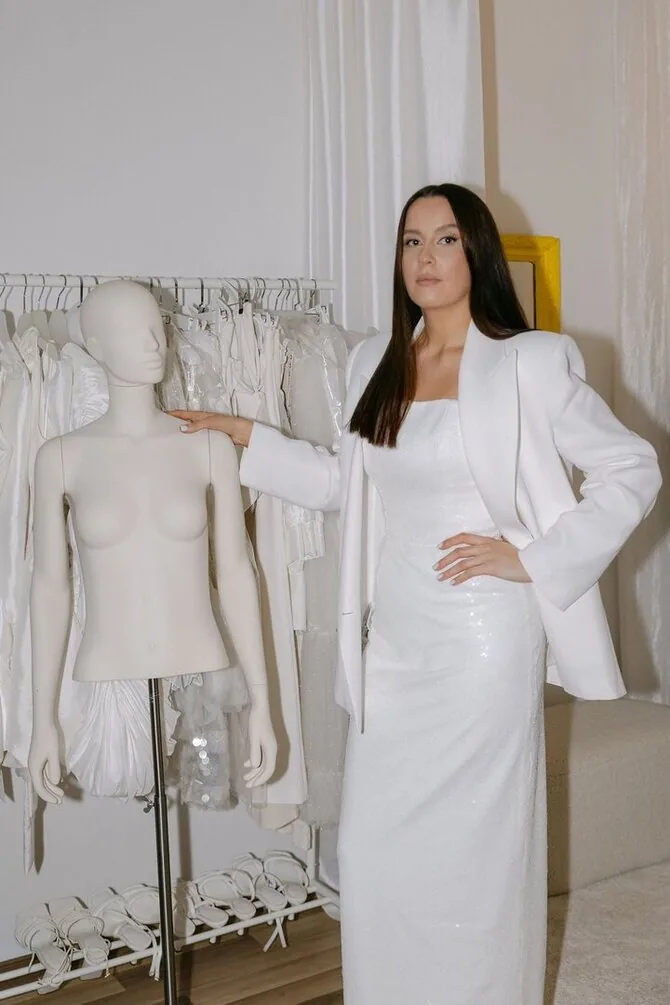
For now, most such solutions remain expensive and niche, but experts predict that in the coming years they will become increasingly accessible to the mass market.
Paradoxically, technologies that can help reduce fashion pollution also encourage excessive consumption.
Instagram and TikTok Turned Fashion into an Instant Product
If fashion trends used to last for seasons, today they sometimes last only a few weeks.
According to Silvija Grušnienė, a lecturer at the Fashion Design Department, social networks have become one of the most important drivers of fast fashion.
“Today, social networks not only promote fashion – they shape our consumption habits. A ‘TikTok’ or ‘Instagram trend’ often becomes more important than a designer’s creative idea. Previously, a handbag could be relevant for several years. Now, a person sees a dozen new ‘must-have’ products a day and starts to think they need them. This creates constant visual noise that encourages emotional buying,” she states.
However, social networks also have another side.
“Previously, it was very difficult for a small creator to break through. Now, independent designers, recycling projects, or sustainable fashion initiatives can find their audience without large advertising budgets,” says S. Grušnienė.
The Generation That Saves the Planet Buys the Most Fast Fashion
One of the biggest dilemmas of modern fashion is the gap between values and actual behavior.
Read more Japan aims to replace 14 aging nuclear reactors by the 2060s
“Students talk a lot about sustainability, ecology, and conscious consumption. They create projects on climate change, social exclusion, and are interested in second-hand culture and clothing recycling. However, at the same time, we see them ordering very cheap fast fashion clothes. This is a paradox that we see throughout society today,” observes S. Grušnienė, who trains new fashion technologists.

R. Rimgailaitė echoes her: “People often choose cheap goods and tend to turn a blind eye to how and under what conditions they are produced.”
According to the lecturers, fast fashion will not disappear anytime soon, but attitudes towards what was once considered unattractive are slowly changing.
“It is becoming the norm, not a shame, to repair clothes, rent them, exchange them with each other, or buy second-hand. Upcycling is no longer a narrow niche – it is becoming a full-fledged creative direction,” says S. Grušnienė.
Future Professions: From Virtual Clothing Creators to Clothing Repair Specialists
Speaking about future professions, both interlocutors agree – the fashion world will need completely different specialists than a decade ago.
Increasingly mentioned are 3D fashion designers, digital collection creators, virtual avatar designers, circular economy consultants, material innovation experts, and specialists capable of analyzing consumer behavior.
“Some creative students still think – I am a creator, technology is not for me. However, understanding the technological side makes it easier to implement a creative idea. Today, fashion is becoming an interdisciplinary field. Technology will not replace creative thinking, but creativity alone is also no longer enough,” says S. Grušnienė.
R. Rimgailaitė adds that society often underestimates the role of fashion technologists.
“Fashion designers create a product, and fashion technologists learn how to implement it. They solve technical issues, look for production solutions, and work with materials and processes. Often, this part remains invisible, although without it, the creative idea would remain just a sketch.”
Therefore, a future specialist will not be enough to just know how to use programs or generate images with artificial intelligence. According to experts, the most valuable specialists will be those who can combine creative, critical thinking with technology.
“I would like fashion in the future to become about creating content and ideas, rather than psychological shopping therapy,” says S. Grušnienė.
Read more The EU welcomes Volodymyr Zelenskyy’s call to start direct negotiations with Vladimir Putin