“Statistical data shows an obvious fact – in Lithuania, inflation is most curbed by falling food prices in stores. It is important to note that buyer-friendly changes are happening despite negative external factors – as the boom in energy resources and other raw materials prices continues, the production cost of products is increasing, logistics costs have also risen, and the geopolitical situation does not improve the situation,” says Marius Tilmantas, Director of the Purchasing Department at Maxima.

The increased production cost is shown by the rising producer price index. As reported by the State Data Agency, the production of food and other manufacturing sectors sold on the domestic market, excluding petroleum products, was on average 5.3% more expensive in July than a year ago.
“We see persistent tension in production and supply chains, and we hear economists’ statements that changes in energy resource prices usually only ‘settle’ into food prices after a few months. At this time, sharing long-term forecasts would be irresponsible, but at the same time, we firmly assure that in the near future, the basket of essential food products in Maxima stores will not become more expensive. This promise is also reinforced by the further reduction at the end of July of the usual prices of selected, some of the most essential, fresh food products,” says M. Tilmantas.
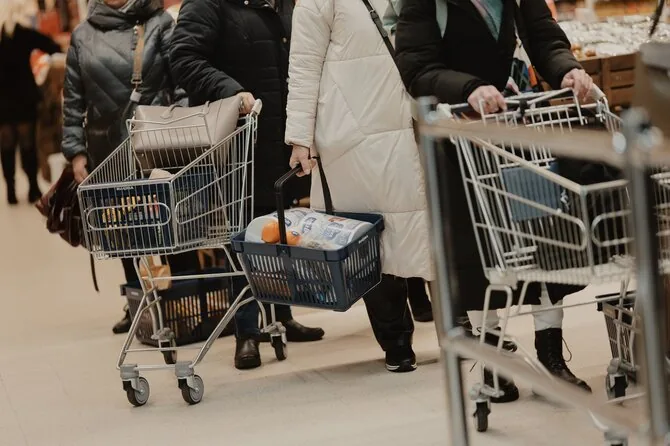
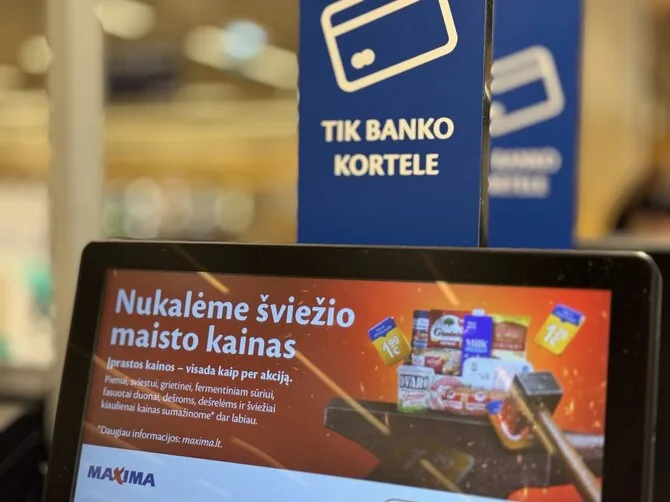
Two weeks ago, Maxima reduced the usual prices of milk, butter, sour cream, processed cheese, packaged bread, sausages, frankfurters, fresh weighed and packaged pork, which are now like on promotion. According to M. Tilmantas, this step continues to implement the low-price strategy, which the company announced in spring by reducing the usual prices of more than 9,000 different food products.
The latest price reduction covers over 500 essential fresh food items, which more than half of the over 400,000 customers visiting the Lithuanian retail network stores daily purchase.
Read more Due to the drying up of the Danube, Bulgaria is reducing nuclear energy production
“Such significant price changes do not happen overnight – they are the result of our investments, long-term efforts, and negotiations with manufacturers and suppliers. We see that these changes initiated by us also contribute to the overall decrease in food prices in Lithuania, which is recorded both in official statistics and in research reviews published by price monitoring companies,” says the Director of Maxima’s Purchasing Department.
According to data from the independent price comparison portal Pricer.lt, in July, the average basket of the cheapest food products in Lithuanian stores was 4.5% cheaper than in July last year.
Meanwhile, the United Nations Food and Agriculture Organization reported that in July, the FAO global food price index rose to its highest level since January 2023, reaching 131.1 points.
Read more Rado a new secret tunnel from Belarus: who was digging into Latvia