Monday is the 13th day after the floods that killed more than 1,300 people in Nepal and Tibet. About 5,000 people are still missing; among the victims are foreigners.
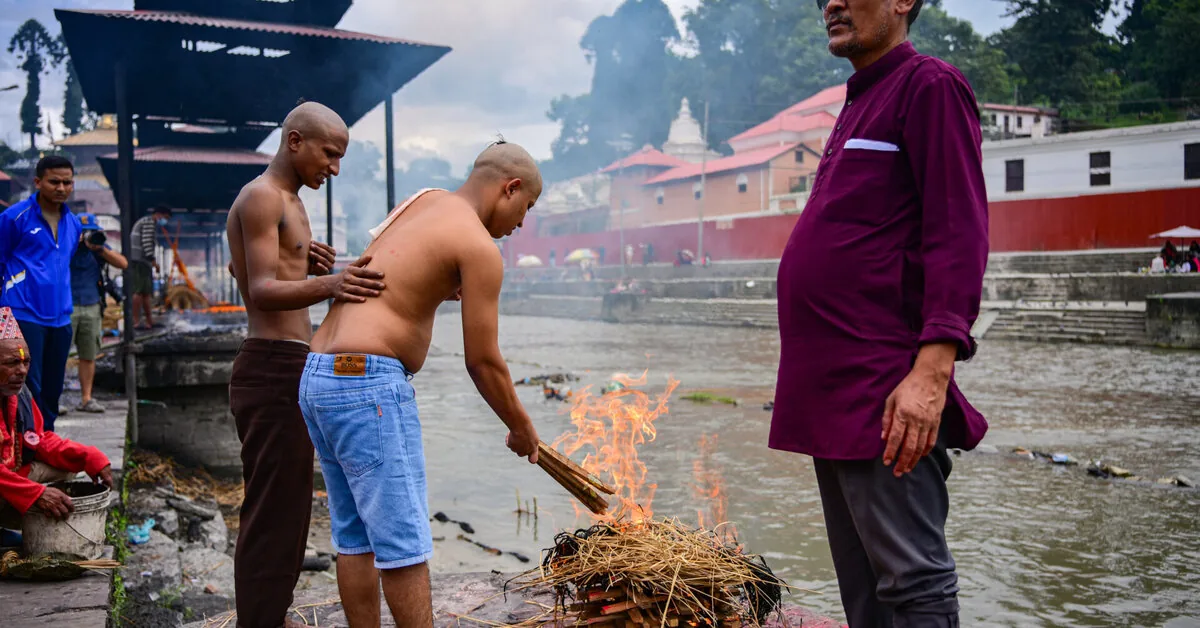
In Hindu-dominated Nepal, the mourning period lasts 13 days, during which relatives stay at home, and family members visit them to pay their respects. On the last, 13th day, rituals are performed praying for the souls of the deceased.
Several people whose family members are still considered missing held symbolic funerals with mourning rituals. In Hindu tradition, cremation is an important final ritual, so for some families, performing the ceremony even without the remains of their loved ones provides a sense of spiritual release.
The government previously announced that Monday would be an official day of mourning, and all institutions would lower flags to half-mast.
Read more In Russia, an avalanche claimed 11 climbers
In the capital Kathmandu, family members gathered near the Prime Minister’s and main ministries’ offices, demanding that the government speed up the search and rescue of hundreds of people who worked at hydroelectric plants and were swept away by the fast-flowing Bhote Koshi River or buried by debris.
Searches for hundreds of missing people are currently ongoing.
Rescuers pulled a Chinese person from one of the plants on Saturday, and two Nepali workers were rescued there on Friday.
Rescue efforts are increasingly focused on 12 hydroelectric projects where about 900 workers went missing and approximately 500 are believed to be trapped in various tunnels, officials said. Specialized rescue teams from India, China, South Korea, and the USA continue searches in the damaged structures and tunnels of these projects, hoping to find survivors.
Read more Girl beaten in Šiauliai: horrifying footage of teenage cruelty spreading online