








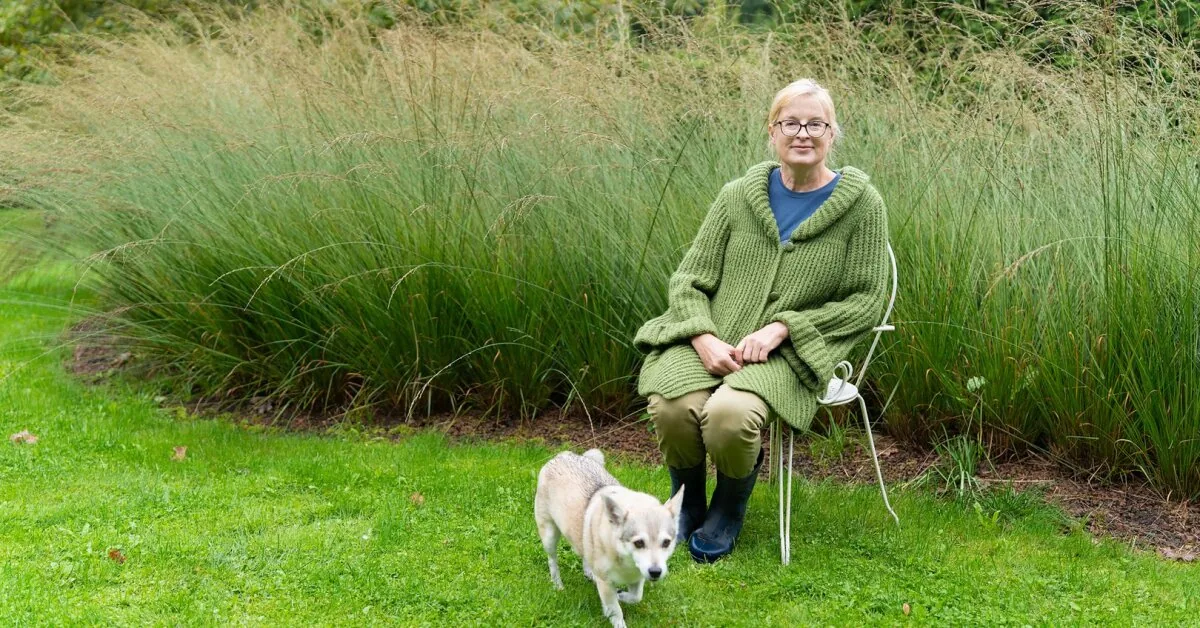
“Ornamental grasses require little care, and their uses are very diverse. They are hardy plants, rarely damaged by rodents or other pests. Moreover, they delight with their beauty even in winter, when frost decorates the plumes. In Lithuania, the best-known ornamental grasses are miscanthus, but there are many more worthy of attention,” says landscape designer, founder of “Gervių sodai,” and vocational teacher at King Mindaugas Vocational Training Center, Reda Kazokevičienė, in a press release.
Read more Flight to Spain turned into a nightmare for Lithuanian Diana: «Tears just started pouring down»
According to the specialist, one of the most popular landscaping trends currently is naturalistic style plantings, aiming for greater harmony with nature. Ornamental grasses help create a meadow-like appearance, and the swaying plumes and rustling leaves in the wind allow you to feel nature closer to home. Leaving stems and foliage for the winter also has practical benefits – providing shelter for small life forms.
That is why, when often asked by gardeners when to cut ornamental grasses, the specialist advises leaving this task until spring. “Stems and leaves left for winter are like the plant’s winter clothing, protecting it from cold and wind. Insects find shelter among the stems, and small birds find food and refuge. So by not rushing to cut them, we extend the decorative appeal of the plantings and preserve shelter for their inhabitants until spring,” explains the landscape designer.
Miscanthus, blue moor grass, and switchgrass – why are they worth attention?
For those looking for ornamental grasses that help keep the garden decorative not only in summer but also in autumn and winter, R. Kazokevičienė suggests paying attention to three grasses – miscanthus, blue moor grass, and switchgrass.
“Miscanthus is one of the best-known ornamental grasses in Lithuania. We landscapers started planting it about twenty years ago when the climate was different and there were few winter-hardy varieties in Lithuania. Of the miscanthus we grew at that time, only the ‘Flamingo’ variety wintered well. Now, with milder winters and warmer summers, we have many miscanthus varieties,” says R. Kazokevičienė.

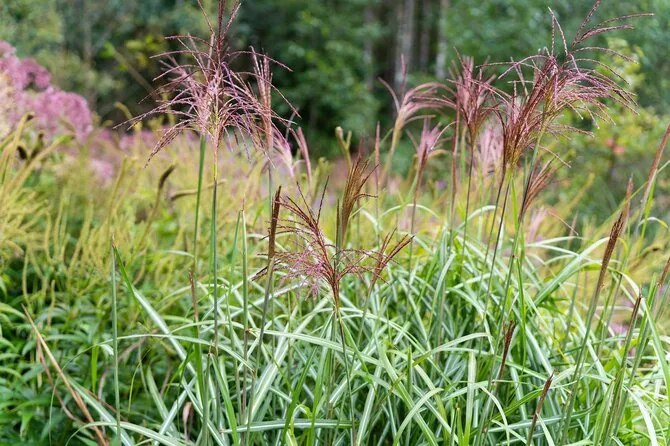
The beauty of miscanthus is especially revealed in autumn when their plumes bloom. Some are denser, others fluffier, and the shades vary from whitish, greenish, and yellowish to intensely pink. These plants blend well in compositions with trees and shrubs and can also fit among flowering perennials. “At first glance, these tall and sturdy plants do not visually take up much space.
Moreover, they reach their full height only at the end of summer. This is an advantage that allows changing the garden’s appearance: in the first half of summer, there is no tall accent yet, but in autumn and winter, we can enjoy not only the impressive look of miscanthus but also their rustling in the wind,” says R. Kazokevičienė.
Speaking about another ornamental grass – blue moor grass – the specialist first emphasizes that it is a native plant.
Read more Trump said that Ukraine will be able to produce «Patriot» missiles, but he indicated one caveat
“I really like this plant because it naturally grows in Lithuania, mostly in wet, clayey, or peaty soils,” says R. Kazokevičienė.
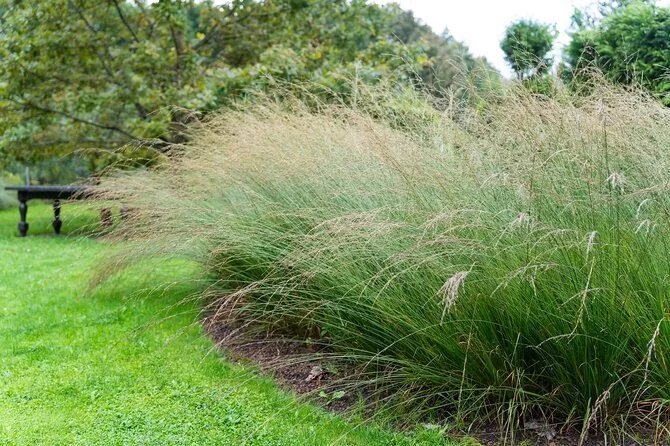
The ‘Heidebraut’ variety of moor grass grown in the “Gervių sodai” features larger, brownish plumes. Their beauty is revealed as the weather changes.
“When it rains, the plumes droop slightly, with dew drops hanging on them, creating a sparkle in the garden. When dry, they return to their original position and shine beautifully in the sun. They look great at sunset or sunrise,” says R. Kazokevičienė.
Another plant worth attention is switchgrass. “These are really underused ornamental grasses. Switchgrass deserves all the garden’s attention because it is very undemanding, long-lived, and in autumn changes the garden’s appearance with plumes and leaves of different colors. When most plants have stopped blooming, their late flowering enriches the garden,” says the specialist.
It is important not only to choose plants but also to be able to combine them
When choosing ornamental grasses, the landscape designer advises evaluating not only the plant’s appearance but also their needs and compatibility with other plantings. For those planning to landscape their surroundings, the specialist recommends consulting professionals – this helps avoid wrong decisions and frequent plant transplanting.
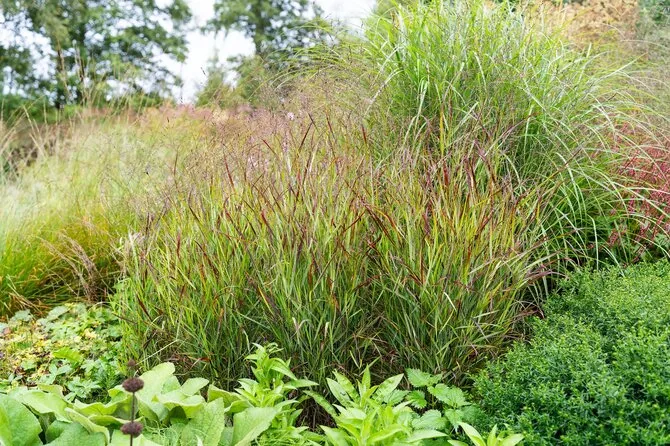
How to choose plants, combine their colors and shapes, and adapt them to a specific environment is taught by R. Kazokevičienė to future decorative landscaping workers at King Mindaugas Vocational Training Center. According to the vocational teacher, the demand for these specialists is high – landscapers who know their work well receive so many orders that they barely keep up.
Video report from “Gervių sodai” – practical tips from R. Kazokevičienė: https://www.youtube.com/watch?v=TUlY2Wdd_O0&t=9s
Read more After drone strikes near the border with Ukraine, Poland promises to strengthen security