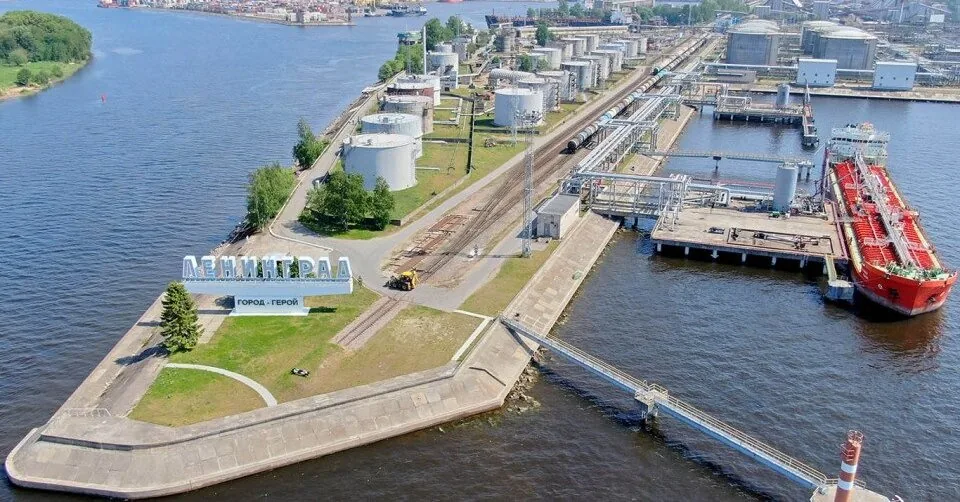
Information about the transfer of the controlling stake of PNT is confirmed by an extract from the shareholders’ register received by “Fontanka”. According to the portal, this share has belonged to “Roschim” at least since July 10.
Read more «Žalgiris» owner reacted to Williams-Goss’s temptations
Whether it was a sale or a gratuitous transfer and under what conditions is not disclosed.
Initially taken by Russia itself
The controlling stake of PNT was taken in April for the benefit of the state from the heirs of businessman Dmitry Skigin, who died in 2003. This decision was made by the court at the request of the Russian Prosecutor General’s Office, which decided that D. Skigin’s children, who hold foreign citizenships, violated the law prohibiting foreigners from becoming owners of strategic enterprises without approval.
The assets were seized after a conflict arose over the terminal, sparked by the sudden illness of its co-founder Sergei Vasiliev. As his wife recounted, the businessman suffered a stroke, after which no one saw S. Vasiliev, and the business under power of attorney passed to his wife, Elena Vasilieva. She terminated the contract with the company associated with D. Skigin that ensured the majority of the terminal’s cargo volumes. Yevgeny and Mikhail Skigin also lost their seats on the board of directors, which began to be headed by E. Vasilieva. D. Skigin’s heirs appealed to the courts and law enforcement agencies.
Currently, according to “Fontanka” data, E. Vasilieva owns 45% of the terminal’s shares.
Who is “Roschim”
The company was founded in 2021 and was called “Russkij vodorod” (“Russian Hydrogen”) until 2023. It is included in the 2025 TOP 100 largest Russian investor companies list compiled by “Forbes”, the portal “Agentstvo” reminds.
“Kommersant” and “Forbes” sources wrote back in 2023 that the company is led by Arkady Rotenberg’s family, but official confirmation of this information was not available until 2026. However, in May, information appeared on the Kremlin website that Igor Rotenberg heads the company’s board of directors, and in June he spoke in this capacity at the St. Petersburg International Economic Forum.
The company has repeatedly received assets seized for the benefit of the state. In 2023, it took control of 57% of the Bashkir soda company’s shares (after two years, “Roschim” bought them out from the state). In the same year, it also took control of the Dalnegorsk mining complex. In 2024, it gained the right to control other companies as well.
“Financial Times” wrote that the Rotenbergs stand behind many cases related to the nationalization of large companies after the start of the war in Ukraine.
Read more Oncologists warn: this common item in the bedroom may increase the risk of cancer
Controls Putin’s palace
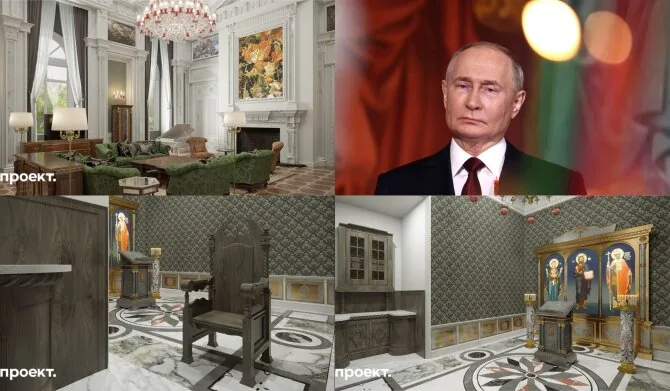
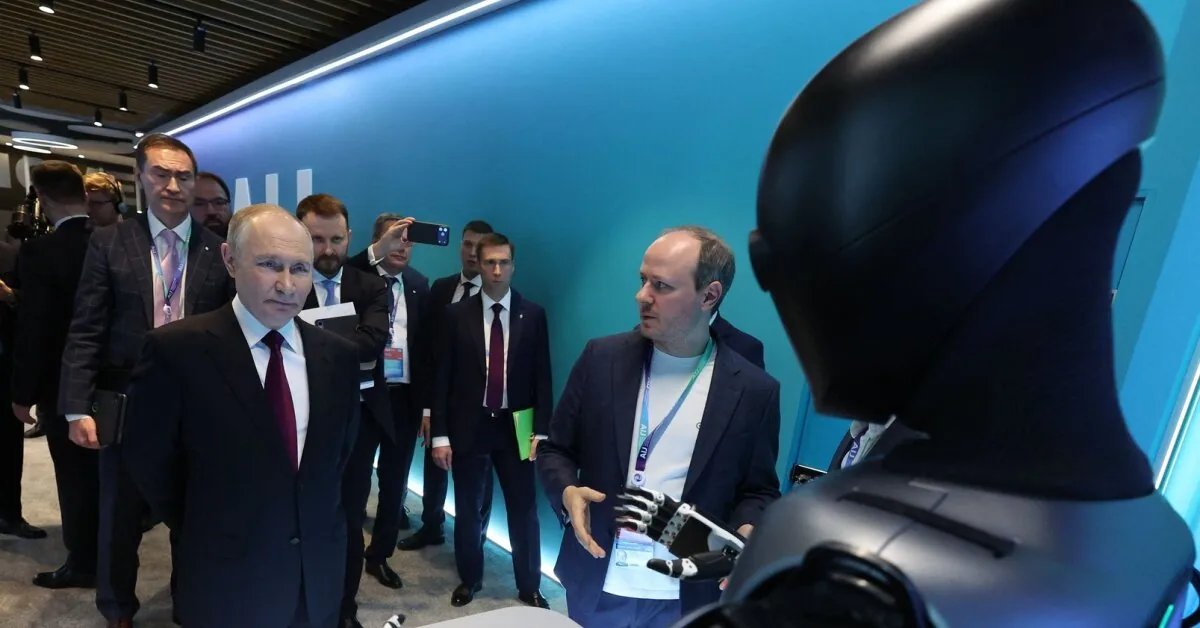
In the 2010s, V. Putin, then an official of the St. Petersburg mayor’s office, provided “very serious assistance” to PNT, later said Alexander Dyukov, chairman of the board of “Gazprom Neft”. Putin’s interest in the oil business went beyond his competence in the St. Petersburg mayor’s office – this is evident from an interview with former businessman Maxim Freidzon. According to him, Putin acquired 4% of the company “Soveks” related to the terminal (which serviced planes at Pulkovo airport). One of the PNT founders and first co-owners was Ilya Traber, who was detained in mid-June.
Now the terminal is controlled by Arkady Rotenberg’s family, and Rotenberg himself has also controlled the so-called Putin palace in Gelendzhik since 2021.
Putin’s close Rotenberg brothers bypassed sanctions
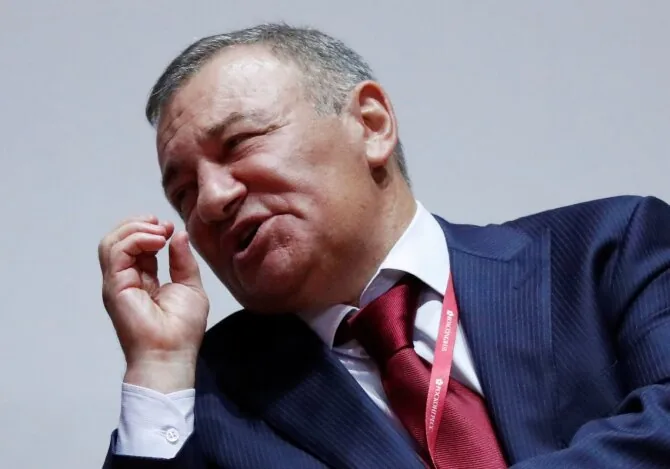
15min reminds that in 2023 “Siena” and OCCRP wrote that Boris and Arkady Rotenberg are perhaps the best-known Russian oligarchs who fell under sanctions after the annexation of Crimea. Secret documents then revealed how the Rotenberg brothers managed to protect their wealth and who helped them.
The two brothers, Arkady and Boris, grew up in Leningrad attending martial arts classes. Not with just anyone, but with the future Russian president – Vladimir Putin.
The friendship did not fade over time, and as Putin’s political influence grew, so did the Rotenbergs’ wealth. Largely due to profitable state contracts obtained while serving their childhood friend, their wealth grew to billions.
However, when Russia invaded Ukraine in 2014, the Rotenbergs’ close ties with their old sparring partner drew attention they probably did not want. Managing a large amount of assets abroad, the brothers took all possible measures to hide their tracks from Western eyes.
And they certainly had something to hide. Because even after a decade, Forbes magazine estimates their wealth at nearly 5 billion dollars.