According to Karolina Aganauskienė, director of Maxima’s Quality and Food Production Department, the label is one of the most important tools helping the buyer understand the product.
Read more Olympic Day started on Kaunas Nemunas Island
“Today, for our compatriots, not only the price is important, but also clear, understandable information about the product’s origin, composition, and category. The label is the main source of information, allowing one to understand what kind of product it is, how it is made, and what requirements apply to it. Different meat categories have different purposes – some are natural products, others are ready-to-cook items,” she says.
Meat selection: what buyers need to know
When choosing meat, it is important to understand the main differences between products, as not only the product’s composition and purpose, but also its labeling, depend on them.
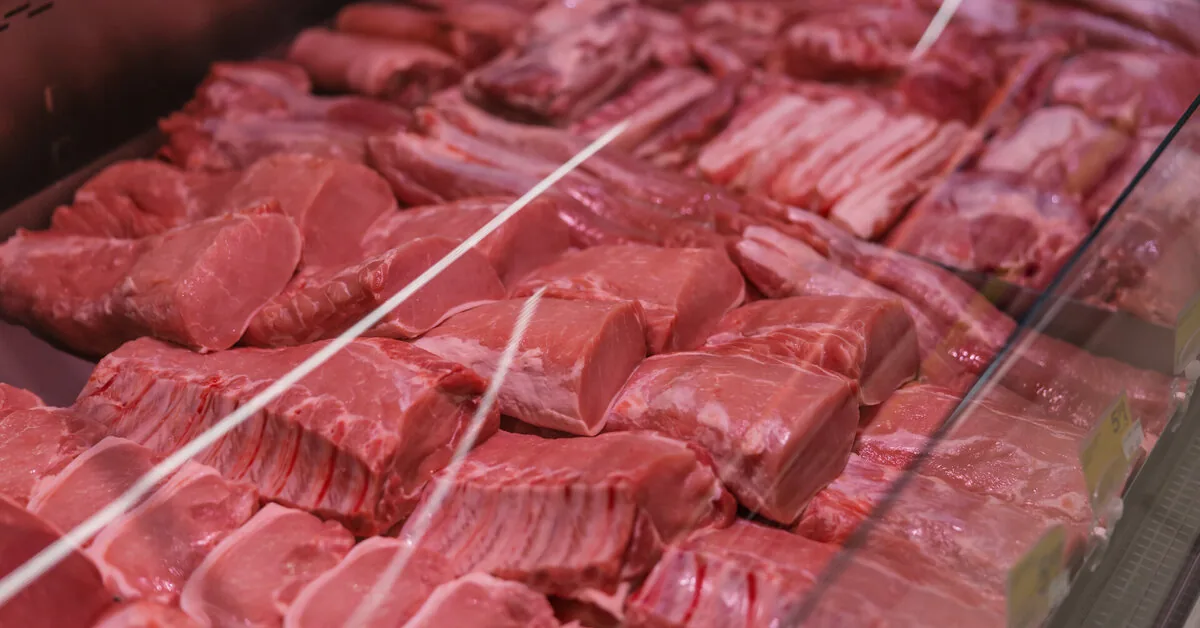
According to European Union and Lithuanian legal acts, fresh meat and meat products are clearly separated product categories, to which different labeling and composition requirements apply. Fresh meat is a natural product, while meat products may contain additional ingredients such as spices, salt, or marinades, which must be clearly indicated on the label.
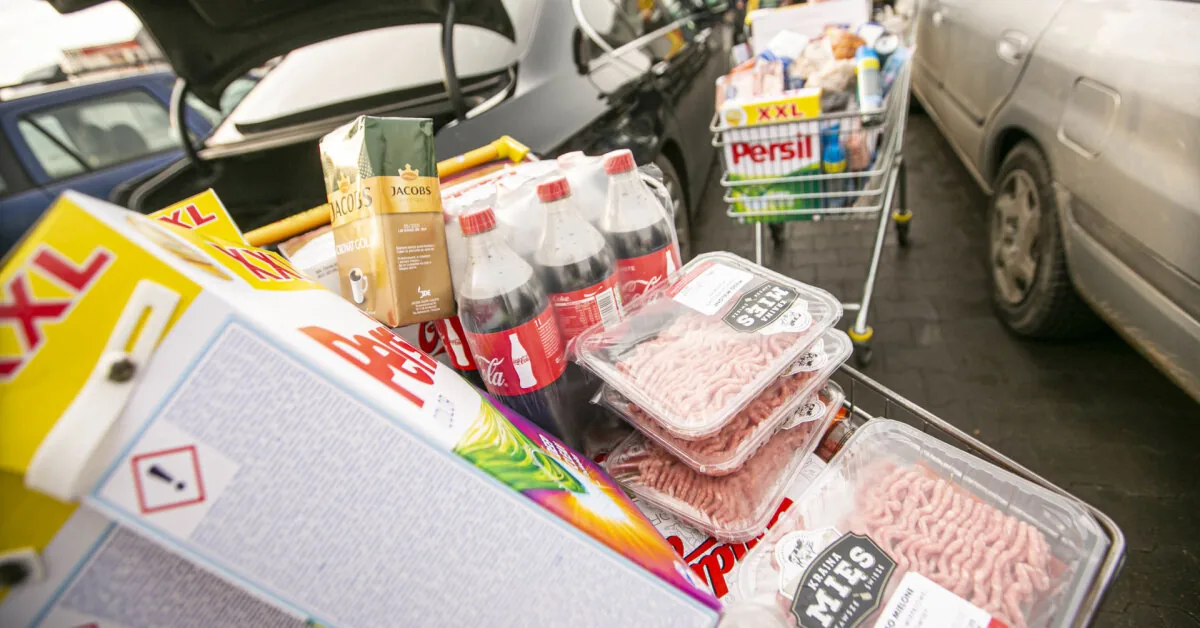
“Minced meat is fresh meat that is mechanically ground, and only a very small amount of salt can be added to it. Minced meat (faršas), on the other hand, is an already prepared meat semi-finished product that may contain various additives that change the product’s texture and taste. The composition is the essential difference between these products, so buyers should carefully evaluate the information provided on the label and choose according to their cooking habits,” says the Maxima representative.
Read more In 4 months, a woman lost almost 30 kg: she only had to give up one product
How much liquid can be in meat?
When evaluating meat quality, it is important to distinguish between naturally occurring liquids in meat and ingredients potentially added during the technological process. Meat naturally contains a lot of water – depending on the animal species and the cut of meat, 100 grams of meat can consist of about 45–75 grams of water. Some of this water may be released during storage or transportation as natural meat juices (syvai).
Although buyers sometimes mistake them for additionally injected water, in reality, this is a natural component of meat. If the product were supplemented with added water, brine, or other solutions, this would have to be clearly indicated in its composition.
“We recommend that buyers primarily rely on product labeling. This is the most reliable way to understand what product they are choosing. Those who want to additionally assess the meat structure at home can cut a piece of meat lengthwise – natural meat usually has a uniform muscle structure, while after injection, small puncture marks are visible. However, the final assessment should always be based on all product information, not just visual signs,” says K. Aganauskienė, adding that Maxima stores do not sell fresh injected meat.
Read more Frozen funds are the key to progress in talks with the US, Iran says