







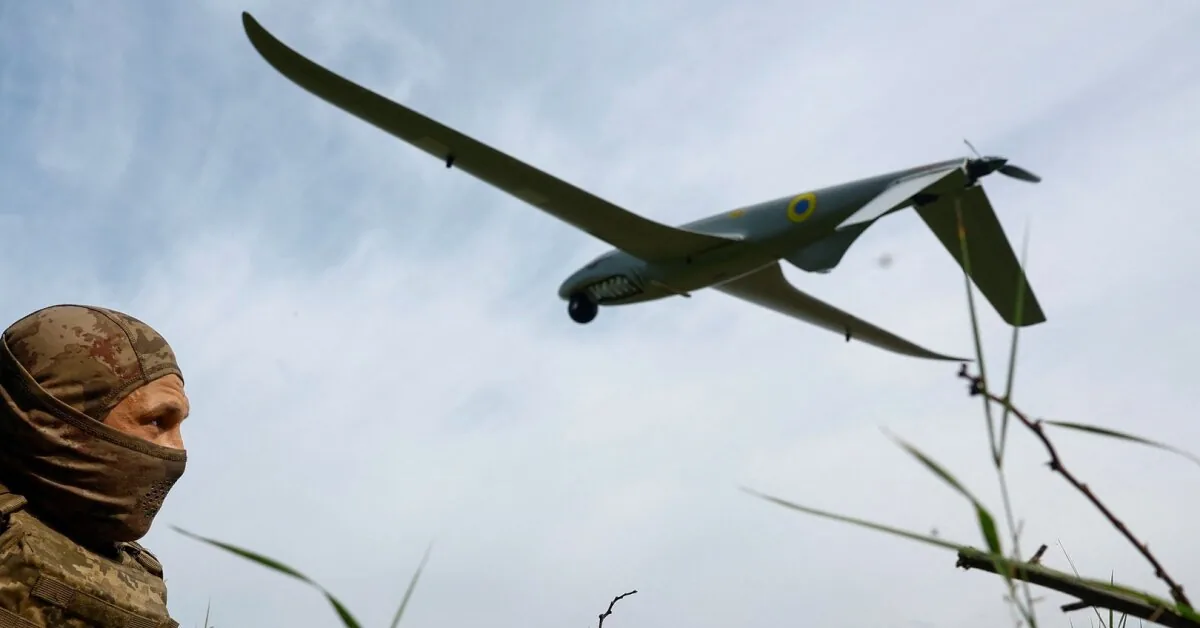
Soldiers on both sides move in small groups, often on foot, to avoid detection. However, drones relentlessly pursue them, and casualties are brutal.
Read more Six candidates for UN chief post: who are vying
Reuters news agency reports on what is happening in this deadly corridor along a 1200-kilometer front line.
It is noted that due to improving drone technologies, both sides have had to abandon outdated tactics of concentrating troops, equipment, and artillery along the line of contact, as visible targets are easy prey for drones.
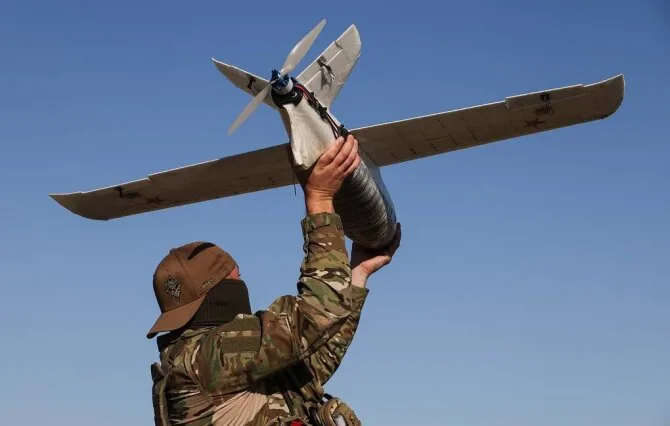
Instead, groups of just two or three soldiers hide in tiny underground dugouts. Meanwhile, infantry often act as observers, avoiding direct combat that could reveal their positions, and call in drones to destroy targets, said an officer from Ukraine’s “Ptachy Madyara” drone brigade, call sign “Silhouette.”
Drones are controlled by pilots hidden in the “kill zone” or even further away, who operate them using video game-style equipment. Most of these are First-Person View (FPV) aircraft, allowing the pilot to see a real-time view from the drone’s perspective. They are controlled by radio signals or via long, ultra-thin fiber optic cables.
The shortage of human resources in the Ukrainian forces means that positions on the front line are very scattered. Constant rotations involve huge risks, so infantry rarely leave their shelters.
On the Russian-controlled side of the “corridor,” more attention is paid to offensives and Ukrainian attempts to stop them, reflecting the prevailing battlefield dynamics over the past two years. Meanwhile, the Ukrainian side focuses mainly on supply lines, troop rotations, and evacuations.
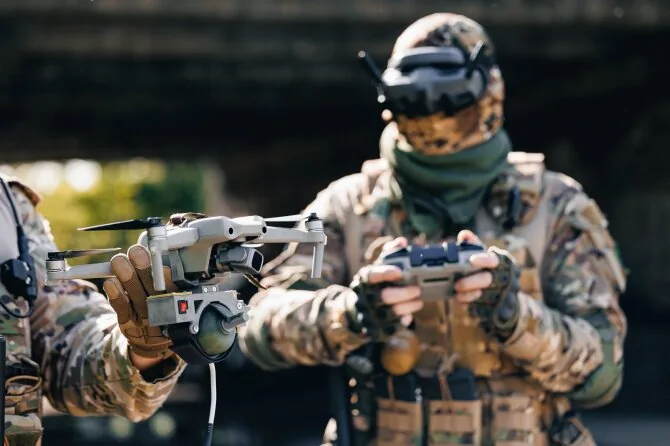
Taking territory is dangerous, often involving huge risks for minimal gains, which helps explain how Ukraine has managed to significantly slow Russia’s advance over the past year, despite being far behind in terms of troop numbers and weaponry.
How the Russians are advancing
Russian assault units often try to avoid contact with their enemy. Small Russian assault groups, consisting of two or three soldiers, move forward on foot, motorcycles, or ATVs, often taking advantage of fog or bad weather conditions that reduce drone effectiveness.
According to the article, if soldiers find an empty building or bunker in Ukrainian-controlled territory, they can wait there for several days until another Russian joins them, and then a third.
“Within 10 days, five Russian soldiers gather inside. And that’s it – they’ve taken the position,” explained Roman Polishchuk, deputy commander of Ukraine’s “Liutivska” brigade.
Years in the trenches
For a soldier detected by a drone, the chances of survival are slim. Even trenches offer little cover.
“If a drone detects an infantryman, it won’t let him go,” noted the deputy battalion commander of Ukraine’s 59th Assault Brigade, call sign “Prime.”
Dusk and darkness also do not guarantee safety, as drones can be upgraded with built-in thermal imaging cameras.
Leaving the battlefield can take several days. Soldiers hide in tiny camouflaged trenches – two, three, sometimes even one person.
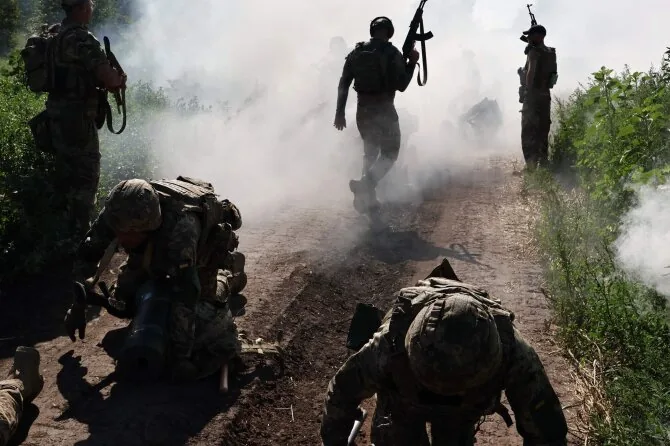
“They cook, sleep, and wait underground, only coming up occasionally, especially for clashes with Russian saboteurs,” Reuters journalists write.
Meanwhile, only a few Ukrainian vehicles can get so close to the front line, and Ukrainian soldiers in observation posts in the trenches rely on drones for essential supplies.
How far the “kill zone” extends in any given section of the front depends on many factors, including the quality of the drone units deployed there and the terrain.
The days of powerful mechanized maneuvers are over: a drone costing a few thousand dollars can disable a tank worth millions.
Read more Due to the war in the Middle East, easyJet’s profit plummeted