According to data from the German Federal Statistical Office, airfares rose significantly in the first half of the year, especially for flights within Europe. Overall travel costs increased most in France and Croatia. For family holidays, according to tourism sector estimates, prices rose by double-digit percentages.
Read more Can you drive a company car to the seaside? SIT explained when additional taxes are due
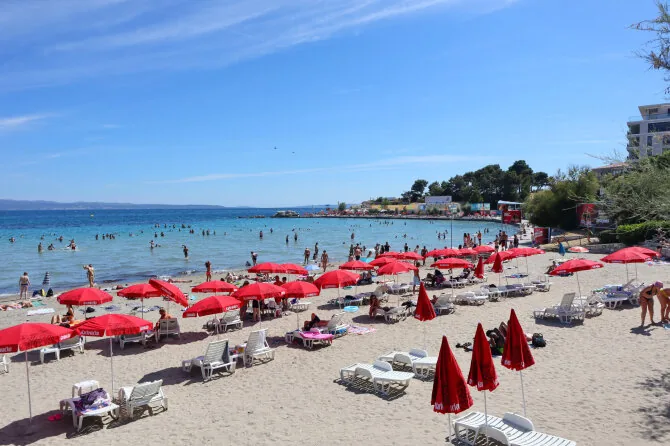
The case of Croatia is interesting. When evaluating price levels, restaurants and hotels in this country, according to Eurostat data, are still cheaper than in Germany. Nevertheless, for many, it feels like overpaying, as the price jump was significant, and people still remember the old prices of the Adriatic coast. This is also evident from searches: interest in Croatia and Mallorca has significantly decreased over the year, while interest in the Algarve region is growing.
Price shock looms in the Netherlands
Those planning a short trip should be particularly careful. From January 1, 2026, accommodation in the Netherlands will be subject to a 21% VAT rate instead of the current 9%.
If accommodation providers pass this increase on to customers, a holiday home that cost 1000 euros could quickly become approximately 1120 euros. In addition, there is a local tourist tax, which in Amsterdam can reach a double-digit amount per night.
If they offer to pay in euros – refuse
The most important warning concerns a single button press. If you pay by card in a country that does not use the euro, the terminal often asks if you want the amount to be immediately converted into euros. This may seem convenient, as you immediately see how much the bill will cost in your home currency. However, it is precisely this offer that often makes the payment more expensive.
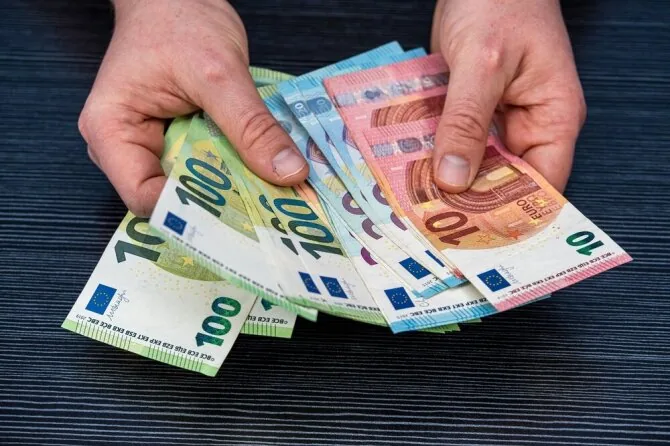
If you agree, the exchange rate is set by the payment terminal operator, who includes a markup that, depending on the provider, can range from 3 to 10 percent. It is not shown anywhere as a separate fee – it is simply hidden in the exchange rate.
If you refuse and choose the local currency, the conversion is done by your card company, usually applying a rate closer to the real market exchange rate. This is almost always cheaper.
This applies in both cases: withdrawing money from an ATM and paying in a restaurant or shop. Sometimes employees press “euros” themselves before handing you the terminal. Therefore, state in advance that you want to pay in local currency. The rule is simple: if you are offered to pay in euros abroad, refuse. This is especially important in Turkey, Poland, the Czech Republic, the United Kingdom, Switzerland, and the Scandinavian countries.
The rule is simple: if you are offered to pay in euros abroad, refuse.
On the beach – luxury expenses
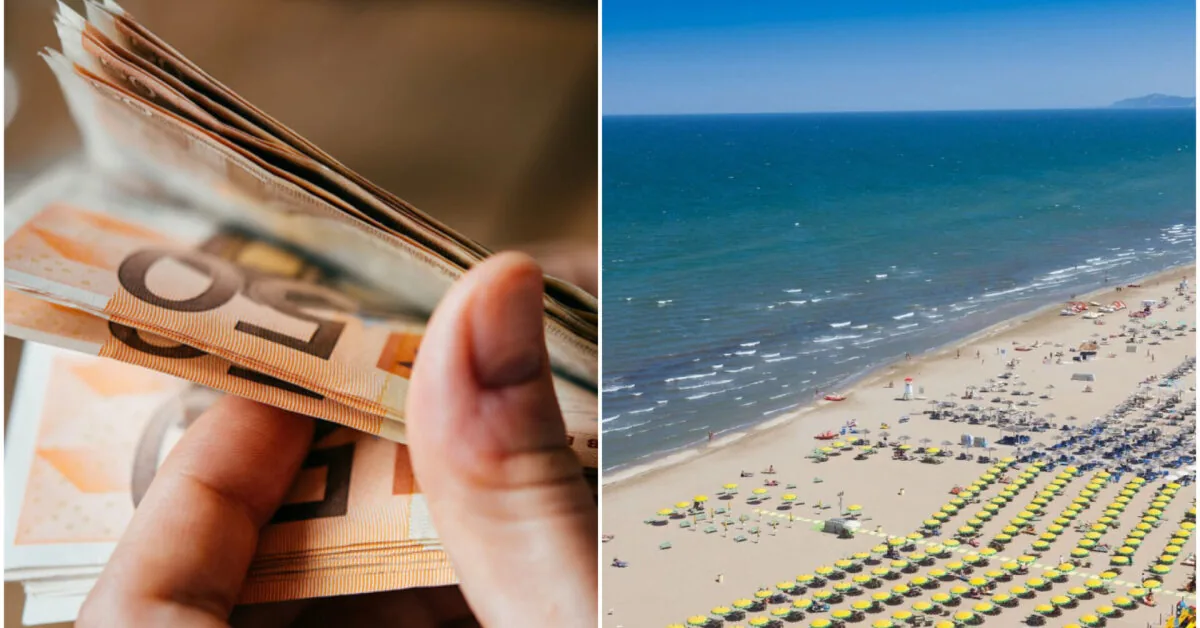
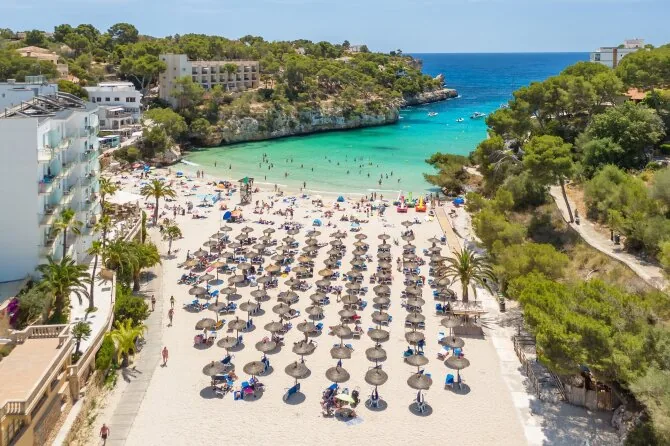
Travelers feel the price increase particularly clearly where they least expect it. On Playa de Palma beach in Mallorca, after a new distribution of concessions, a simple sun lounger costs about 10 euros per day, although it previously cost 6 euros. Two sun loungers with an umbrella now cost about 30 euros, compared to 18 euros last year.
Read more 3 books recommended by music star Dua Lipa
Water bikes and jet ski rides have also become more expensive.
Cities charge a fee just for visiting
Almost every popular travel destination now applies some kind of fee. Venice will collect a fee from day-trippers for 60 days in 2026, Milan has increased fees due to the Winter Olympics, and Brussels charges 5 euros per hotel night.
Holidays at home are also becoming more expensive: more than 60 German municipalities have increased the resort tax. The record holder is the island of Spiekeroog, where the fee during the main season is 5.50 euros per person per night. Multiplying this amount by the number of people and nights, a family can quickly accumulate more than 100 euros.
Small local expenses
The most annoying are the amounts that only appear on the final bill. In Italy, a table or service charge, called coperto, is paid, and in many countries, an additional service charge applies. Abroad, holiday accommodations, unlike in Germany, do not necessarily have to show the final price in advance, so the final cleaning fee often only becomes clear later.
When renting a car, ADAC warns against unnecessary additional insurance, and airport fees are sometimes charged even when the airport was already specified as the car pick-up location.
However, parking is usually the most annoying. In many coastal towns, a parking spot near the beach now costs more than lunch, and leaving a car at the airport for two weeks can cost almost as much as the flight. In hotels, early check-in, an in-room safe, or Wi-Fi may incur additional charges.
North Macedonia and Bulgaria – best value for money
There are still places where holidays offer very good value for money. In North Macedonia and Bulgaria, restaurants and hotels, according to the German Federal Statistical Office, cost about half as much as in Germany. Turkey is the cheapest in terms of overall cost basket, and the Algarve is currently considered the most favorable beach destination for families in Europe.
Therefore, the main advice is: compare not just the travel price, but the entire week’s expenses locally. These are what ultimately determine whether the holiday was truly cheap.
Read more Trump’s appearance at a press event: attacked journalists, spoke about a third term