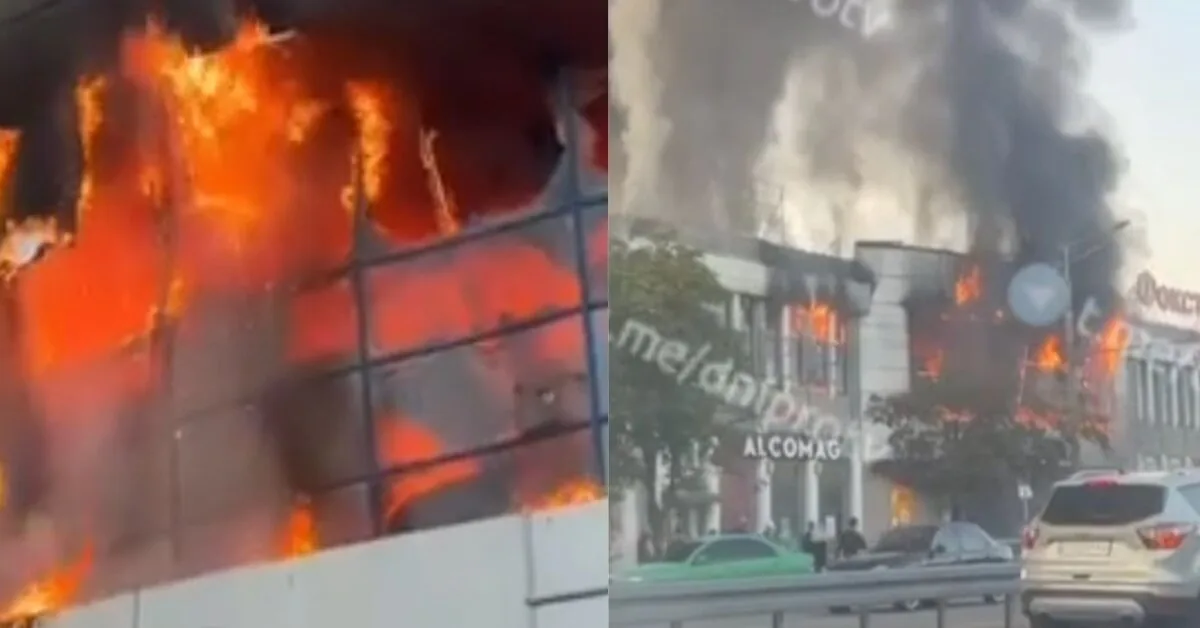
“The electricity disappeared and never came back. Not even for an hour,” – according to Olga, this lasted for 15 days. The woman living in Northern Crimea with her husband and child revealed that they often do not even have running water.
Read more Vozinha, who became a star at the World Championship, will earn much more at the new club
“The authorities have forgotten us, that’s obvious,” she said on the phone.
Olga, like other interviewees, asked that their surnames not be mentioned in the article for security reasons.
Attacks on energy infrastructure in Crimea – the peninsula that Russia seized from Ukraine in 2014 – mirror a much larger scale, years-long Russian campaign of air strikes on Ukraine, where the aggressor targets the civilian energy system, leaving millions of Ukrainians in darkness and cold every winter.
Severe blows to Crimea’s electricity grid, like Ukraine’s attacks on oil refineries that caused fuel shortages in Russia, are intended to increase pressure on the Kremlin to agree to peace negotiations.
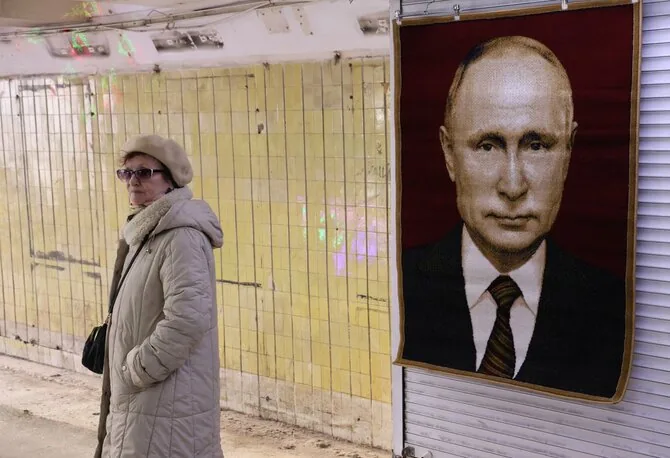
However, Russian leader Vladimir Putin does not acknowledge that there are any electricity supply disruptions at all.
Ukraine began its campaign against occupied Crimea in June, mostly targeting infrastructure near Russian military bases in northern Crimea, bordering the Ukrainian territories seized by Russia in 2022.
By the end of July, all major cities and towns in the northern peninsula had already faced large-scale power outages. Reports everywhere describe unpredictable electricity supply interruptions lasting several hours.
This problem is familiar to every municipality, even in the tourist-favored southern Crimea. When there is no electricity, water pumps do not work either. Even residents of cities like Yalta, where such disruptions are less felt, admitted that tap water flows for only about three hours a day.
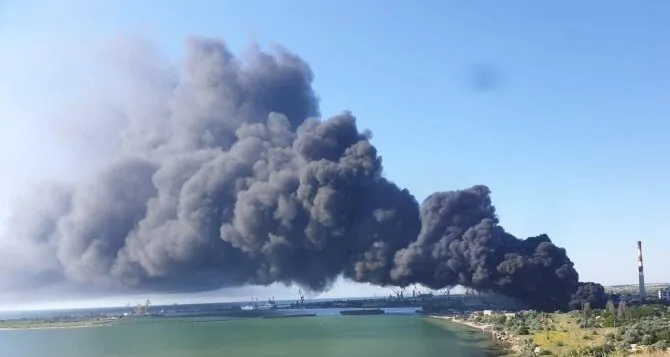
Crimean officials did not detail the scale of the problem but assured residents that it is being addressed.
A senior Russian diplomat told the state news agency TASS that Ukrainian strikes cut off electricity supply to the homes of 1.4 million Crimean residents within a week. Before the war, 2.5 million people lived there.
Analysis of satellite images by the Russian news portal Meduza shows that at the beginning of July, the Crimean peninsula was lit up 20% less at night than usual.
“Everyone understands this will last more than one or two days,” worried Rustem, a hairdresser working in central Crimea. The man added that people are desperately trying to buy generators, solar panels, and voltage converters.
Locals have also started considering “whether it’s time to leave, and if so – where,” Rustem said.
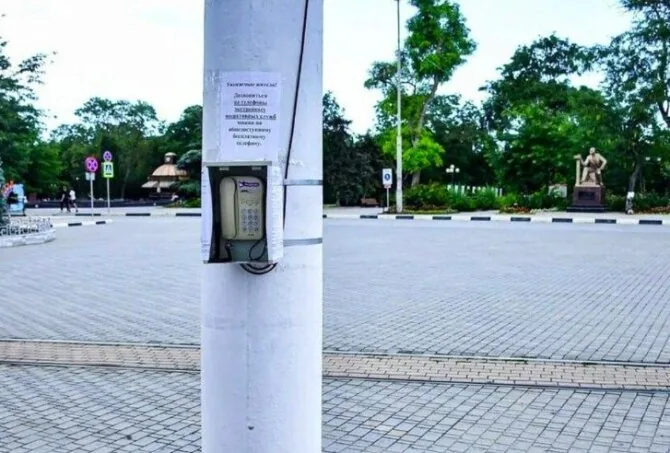
It is becoming increasingly difficult for families to stay in touch with their relatives in the north, where mobile communication was paralyzed due to power outages. Last week, the authorities of the resort town of Yevpatoria announced that they installed payphones – relics of a past era.
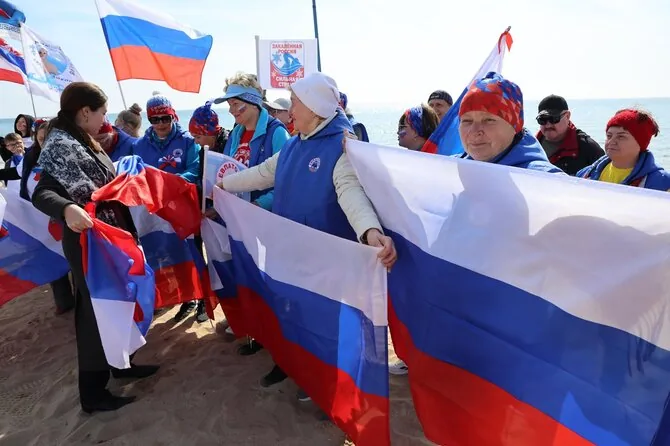
Already, some Crimean residents and tourists shaken by the prolonged fuel crisis have decided to leave the peninsula this summer. However, most remain.
Olga moved to Dzhankoy in northern Crimea in 2021 and does not think she is ready to move again.
The city of Dzhankoy was plunged into darkness for the first time at the end of June, but electricity was soon partially restored. A week later, two local power substations were hit in a Ukrainian attack. As a result, some parts of Crimea were without electricity for up to 15 days.
On Tuesday, local residents were informed that they would have electricity for two hours a day, but high voltage could be dangerous for household appliances.
Olga, 24 years old, believes she was born under a lucky star because she lives in a cottage with her family, not an apartment, so she can use an electric generator.
However, it is not enough to run a refrigerator, so food choices are limited. Her husband makes long trips across the bridge to southern Russia to bring cheaper fuel for the generator, but just using it for 5 hours costs about 20 dollars, which is already a significant amount for Russians.
Olga admitted that she still hopes the authorities will handle these challenges. She also spoke about a topic most Russians are afraid to discuss. According to her, people need not only the restoration of basic services but also an end to the war.
Read more Iran has missiles capable of reaching Ukraine: the greatest threat is posed by the «Khorramshahr»
Even in central Crimea, where power outages are less frequent, the railway station is not working. Many stores have signs saying “no electricity.” Shopping center shelves are also half-empty and cannot be restocked quickly.
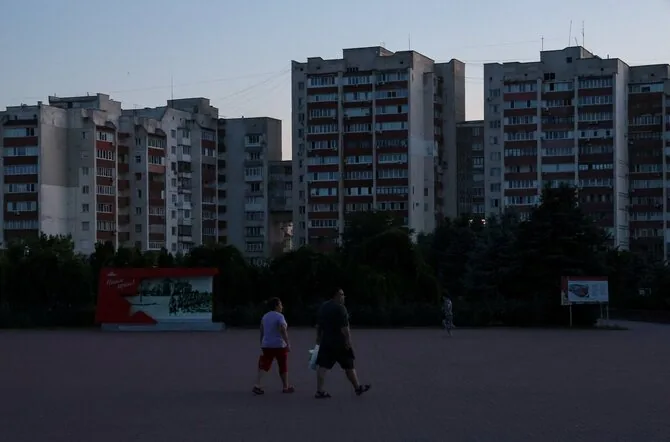
Rustem was cutting a client’s hair in his salon when the power went out one of the first times. He uses scissors and a battery-powered shaver, so he said, “As long as it’s light outside, I’m fine.”
Crimean residents said they know people who lost jobs in factories in the north due to power supply disruptions or were forced to take leave. Local authorities promised some financial compensation to tourism-related businesses but did not say what would happen to the factories.
Ukrainian officials claim they bomb Crimea to weaken Russia’s military capabilities. Ukrainian President Volodymyr Zelensky said last month that he hopes those living in Crimea understand that Ukraine does not intend to harm them.
Meanwhile, the commander of Ukraine’s drone forces, Robert Brovdi, boasted on Wednesday that they “turned off” the electricity supply to Crimea. According to him, Ukraine attacked 117 energy infrastructure facilities on the peninsula during three weeks in July.
Crimea was completely unprepared for this crisis. Electricity comes and goes for four weeks now, and local officials are still making promises to equip every hospital with a generator.
Russia offered a one-time payment of 15,000 rubles (about 170 euros) to residents who were without electricity for more than 48 hours. However, this money would not be enough to buy even a small generator and cover its operating costs.
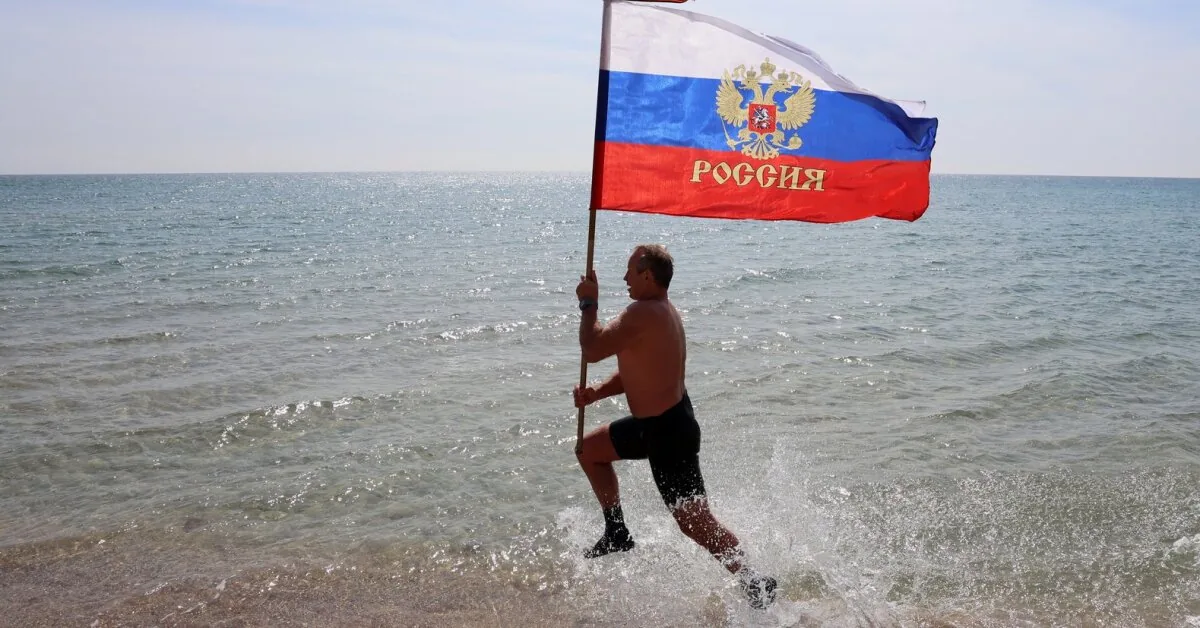
Russians living outside Crimea could easily remain unaware that the peninsula is shaken by one crisis after another. State television avoids showing footage from areas affected by power supply disruptions. Among other things, it constantly claims that there are no problems there – all essential needs are met. Lifestyle bloggers continue to post videos of idyllic Crimean beaches and sunsets, trying to refute what they dismiss as Ukrainian propaganda.
During a meeting this month between Putin and top officials, fuel supply issues to Crimea were discussed, but not a word was mentioned about the drone strikes the night before that plunged the entire northern part of the peninsula into darkness.
Exiled Russian journalist Ilya Shepelin, who studies television propaganda, assessed that revealing the real scale of the problem to the public would mean admitting weakness, and the Kremlin absolutely does not want ordinary Russians to see that.
Some Crimean residents vent their frustrations online. Their comments full of disappointment flood the social media accounts of Sergei Aksyonov, the Russian-appointed head of Crimea.
Aleksei, a man from southern Crimea, wondered “how it is possible” that the electricity system was completely unprotected from possible strikes. He confessed he does not know “how to live on” when communication systems do not work. He confirmed his words to The New York Times but did not feel safe enough to say more.
Earlier, a businessman appealed for help on social media, asking his friends and colleagues to deliver drinking water to northern Crimea.
Olga Gerasimenko, who coordinated this action, posted a video from a Thursday visit to Dzhankoy, showing several hundred mostly elderly people lined up to receive drinking water.
Last weekend, in a rare report from the northern peninsula, state television Krym Vesti showed dozens of women and children sitting on the grass near the Krasnoperekopsk municipal building. They were all wrapped in wires: trying to charge phones and external batteries from a generator there. However, the report did not mention the water shortage.
“All these problems do not deter Crimean residents, who are already used to Ukrainian provocations,” the program stated.
But even denial has its limits. A week after the complete blackout in the northern peninsula, a lavish party was held in a luxury seaside hotel in the south, owned by one of Russia’s largest state banks, attended by thousands of well-dressed guests, with huge LED screens, go-go dancers, and fireworks.
“Guests were teleported from our rotten present into a fairy tale,” complained local resident Aleksandra Moroz on social media.
But the celebration was interrupted by a drone attack, and guests, clutching drinks in their hands, had to rush to hide in the basement.
Read more July 28 Horoscope: Saturn invites you to pause and evaluate your choices
This article was published in The New York Times.
© 2026 The New York Times Company