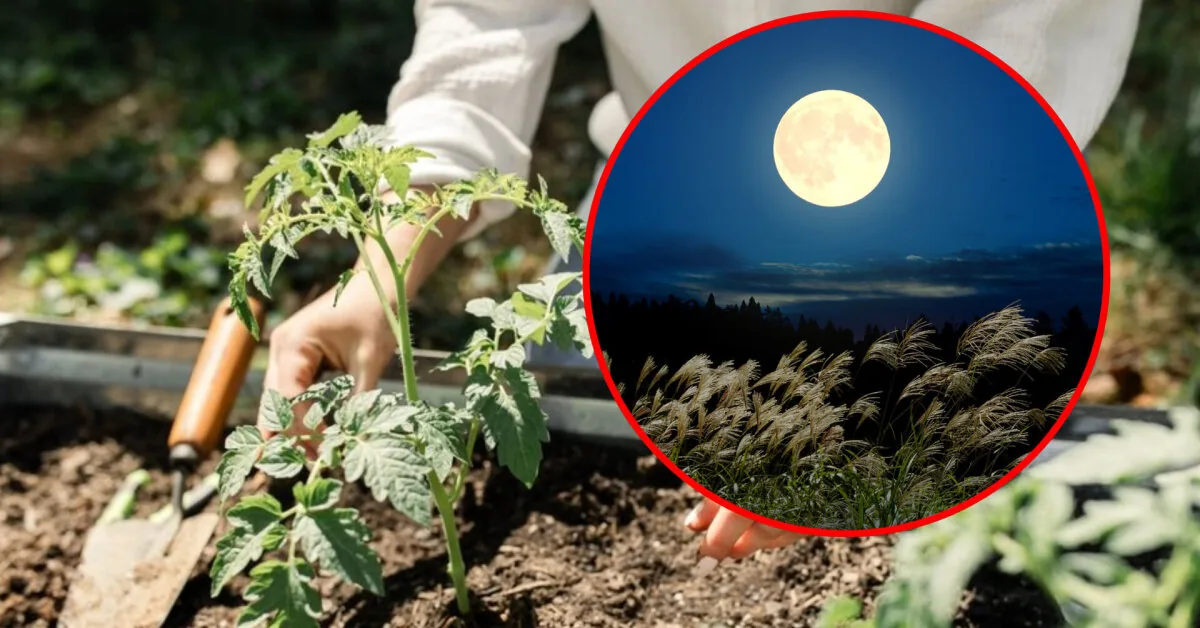
It is based on the idea that the phases of the Moon and its position in the Zodiac signs can influence plant growth, sap movement, and crop quality. Although this method has been widely used for a long time, it is worth understanding both its logic and limitations.
Read more Jonas Mačiulis – about the turmoil in Lithuanian basketball: «I have never seen such things before»
What is the gardener’s lunar calendar?
The gardener’s lunar calendar is a calendar in which garden and vegetable garden work is planned according to the Moon cycle. Usually, two main components are taken into account: the Moon phases and the so-called Moon signs.
The main logic is simple: it is believed that plants respond differently to sowing, transplanting, pruning, or harvesting at different stages of the Moon cycle. Therefore, on some days it is recommended to sow or plant, on others – to weed, loosen the soil, prune, or preserve the harvest.
This calendar is often used as a guide to help organize work, but it is usually not the only criterion. In practice, gardeners also consider weather conditions, soil moisture, temperature, and the specific needs of plants.
The influence of Moon phases on plants
Supporters of the lunar calendar claim that the waxing Moon and the waning Moon affect plants differently. The waxing Moon is associated with more active development of the above-ground part of the plant, while the waning Moon is linked to the root system, soil work, and the plant’s “rest” period.

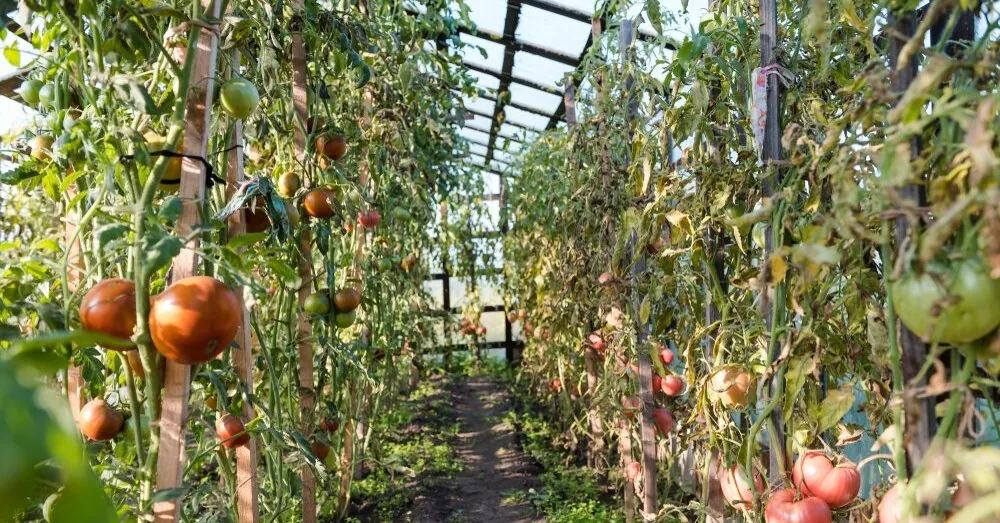
The waxing Moon is generally considered a favorable time to sow and plant crops whose yield forms above the ground: lettuce, tomatoes, cucumbers, beans, herbs. It is believed that during this period plants take root more easily, grow faster, and develop leaves and stems more strongly.
During the waning Moon, it is more often recommended to pay more attention to root crops, bulbous plants, weed control, pruning, and soil care. It is thought that at this time plant energy is directed to the roots, so the period is more favorable for strengthening the underground part.
During the full moon and new moon, it is often advised to avoid intensive sowing or transplanting work. These days are considered transitional in some calendars, more suitable for planning, observation, or lighter maintenance tasks.
What to plant during the waxing Moon?
During the waxing Moon, it is usually recommended to sow and plant plants whose most important part grows above the soil surface. These can be:
- lettuce
- spinach
- cabbage
- tomatoes
- cucumbers
- zucchini
- beans
- peas
- various herbs
This period is also often considered suitable for grafting, transplanting, and planting seedlings in their permanent place. Gardeners who follow the lunar calendar believe that seedlings take root better and their above-ground parts develop more actively during the waxing Moon.
However, in practice, it is important not to forget that even a “favorable” Moon day will not help if the soil is too cold, too dry, or too wet. Therefore, it is worth combining the lunar calendar with real seasonal conditions.
Read more Revealed plan of the Lithuanian women’s national team preparation for the European Championship
What to plant during the waning Moon?
The waning Moon is usually associated with plants whose most valuable part forms underground. During this period, it is generally recommended to plant or sow:
- carrots
- beets
- radishes
- turnips
- onions
- garlic
- potatoes
In addition, the waning Moon is often considered a favorable time for thinning, weeding, root strengthening, care of perennial plants, and sanitary pruning. Some gardeners also choose this time to harvest for longer storage, as it is believed that fruits and vegetables keep better.
However, here too, the most important thing is to use common sense: specific planting dates primarily depend on the plant species, regional climate, and weather conditions.
Moon signs and their significance
Besides the Moon phases, some gardener calendars give an important place to Moon signs, that is, the Zodiac signs through which the Moon is “traveling” at the time. Traditionally, they are divided into more favorable and less favorable for different tasks.
Water signs are most often associated with fertility and considered suitable for sowing and planting. Earth signs are often regarded as favorable for root crops and soil work. Air signs are often linked to flowering or lighter maintenance tasks, while fire signs are associated with less fertile days, suitable for weeding, pruning, or pest control.

However, these interpretations may vary depending on the tradition of the calendar creators. Some emphasize phases more, others signs, so in practice it is important to consistently follow one system if it is decided to apply it.
Is the lunar calendar scientifically based?
Science has not yet provided strong evidence that Moon phases have a clear and consistent effect on plant growth as described in gardener calendars. Although the Moon undoubtedly affects the Earth, for example, causing tides, its direct impact on seed germination, yield, or plant development on a gardening scale is not unequivocally confirmed.
Some researchers emphasize that plant growth is much more influenced by light, temperature, moisture, soil composition, nutrients, and proper care. Therefore, the lunar calendar is more often regarded as a traditional planning method rather than a scientifically precise agronomic tool.
Nevertheless, many gardeners use it as a practical system to help organize work more orderly. If such a planning method helps maintain rhythm and pay more attention to plants, it can be useful as an additional guiding tool.
Read more During a murder investigation, the commander of a French-trained Ukrainian brigade was detained