Before the full-scale invasion began, Ukraine was one of the world’s leading producers and exporters of agricultural products. According to the US Department of Agriculture, in 2021 the country ranked seventh in the world in wheat production, sixth in corn, fourth in barley, and second in sunflower oil production.
In addition, more than 55% of Ukraine’s territory was arable land.
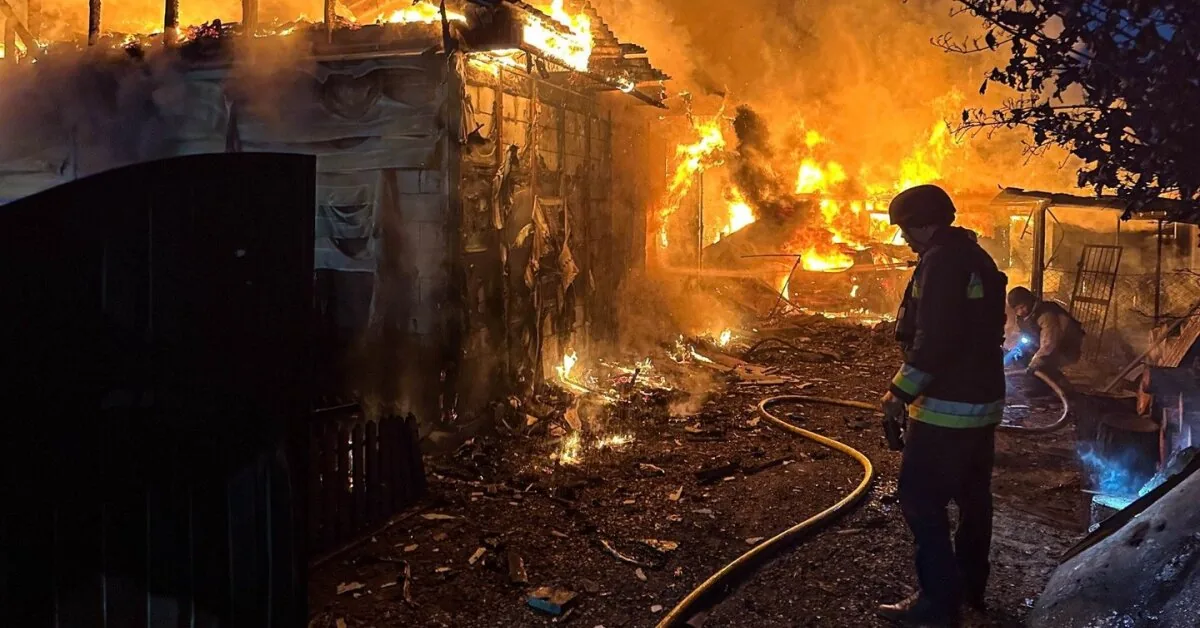
Ukraine’s main agricultural advantage is fertile black soil. However, with the onset of the large-scale war, large agricultural areas were damaged due to military actions, fires, mines, and pollution.
The publication notes that in 2025 alone, about one million hectares of Ukraine’s territory were damaged due to the war, of which about a third was agricultural land.
Soil, water, and air pollution became a separate problem. The use of weapons and the operation of military equipment release chemical substances into the environment. Moreover, according to calculations presented in the publication, about 30% of Ukraine’s territory is contaminated with mines and unexploded ordnance, making it unsafe for growing agricultural crops.
Read more Not only a Russian general died in the Moscow restaurant explosion: unraveling the Kremlin’s silence
The war also damaged water supply and sewage treatment infrastructure. Shelling of factories led to the destruction of sewage pipes, sewage leaks, and the destruction of pumping stations and treatment facilities.
The consequences for Ukraine’s grain exports were no less serious. Ukraine is seeking alternative routes as Russian attacks continue to threaten ports and ships.
According to Forbes, these events further exacerbated the global food crisis. The blockade of Ukraine’s grain exports has resulted in changes in global food prices and disruptions in international supply chains.
Read more Media: Why does Musk not allow Ukraine to use Starlink for strikes in Russia?