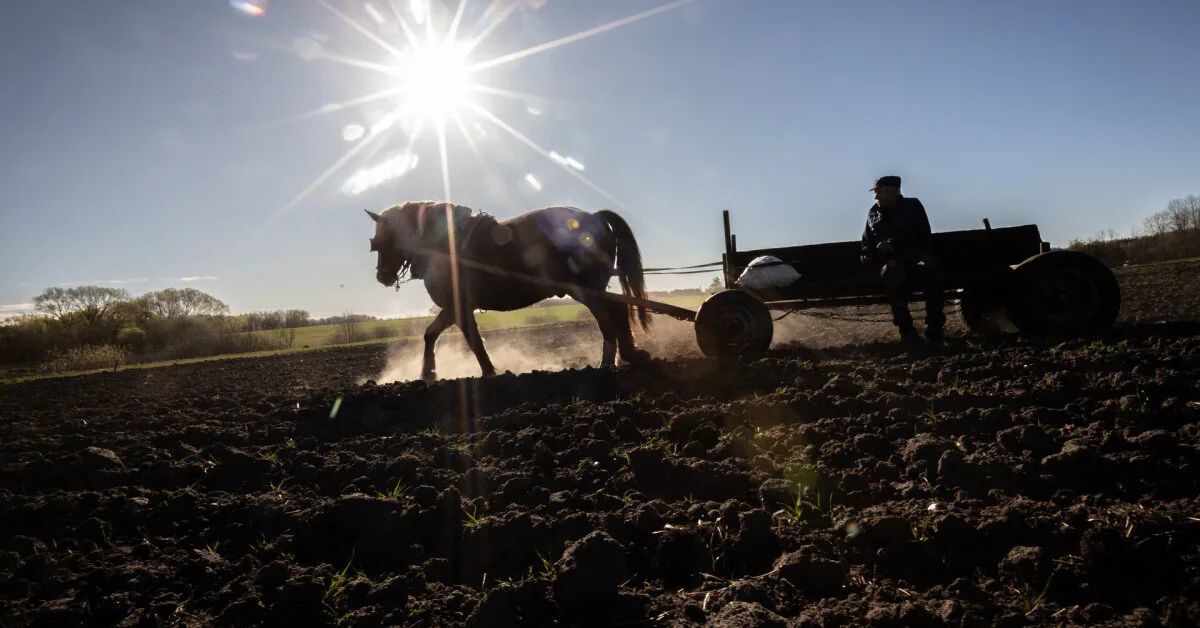
According to the company’s micronutrient sales manager Andrius Lukoševičius, concentrated organic fertilizers are used as one of the most effective means to improve soil quality.
“Organic fertilizers are not only raw materials for humus production, but also ensure better soil structure, improve moisture balance and water retention in the topsoil layer. They also stimulate the bioactivity and biodiversity of microorganisms, which also contributes to plant well-being,” says A. Lukoševičius.
Yield can increase by up to one fifth
Fertilizers, like other farming inputs, are chosen not only based on their properties but also on price. A. Lukoševičius clarifies that it depends on raw materials, production process, transportation, market demand, and scale of use.
According to Linas Agro calculations, mineral fertilizers are cheaper per kilogram of nutrients. However, in the overall farm context, the value of organic fertilizers is significantly higher because of the benefits gained from fertilizing plants and the long-term improvement of soil condition.
“Farms in Europe are increasingly discovering organic fertilizers, which, although more expensive, are more environmentally friendly. Organic fertilizers can be very different depending on whether they are made from laying hens or from manure of broiler chickens raised on farms,” says A. Lukoševičius.
He explains that in broiler farms, straw, wood shavings, peat, and other organic materials are used as litter, and the value of organic fertilizers made from poultry manure obtained here will be lower. Meanwhile, fertilizers made on laying hen farms are especially concentrated and have high mineralization, and their value is probably the highest on the market.
“Specific fertilizers stand out with a very strong positive effect on stimulating plant growth; for example, spreading 500 kg of certain fertilizers per hectare before sowing winter wheat in autumn can increase cereal crop yields by about 20 percent,” says the agricultural expert.
Read more Record interest: Vilnius halts system vulnerability report contest
What makes plant-based organic fertilizers special
For those seeking even more intensive solutions, the specialist advises choosing plant-based organic fertilizers. According to him, even using a smaller amount – 200–300 kg per hectare – can achieve significant results.
“Some organic fertilizers are entirely plant-based, having undergone a fermentation process, so their mineralization coefficient is especially high. Such fertilizers can be used in autumn as nitrogen fertilizers, especially in winter rapeseed crops. They can also be used when growing cereal crops where there is a lot of straw in the fields and a low amount of mineral nitrogen in the soil,” says the expert.
He explains that fertilizing with organic fertilizers allows the soil to better absorb the necessary nutrients and other substances. However, to achieve the best possible results, it is recommended to nourish the soil annually with this type of fertilizer.
“Soil enriched with them reacts more slowly to changes in climatic conditions: drought, excess moisture, etc. Moreover, due to their natural composition – they are mostly made from animal manure as well as plants – these fertilizers are more environmentally friendly. Finally, using organic fertilizers can raise all soil parameters by at least one step,” says Linas Agro micronutrient sales manager A. Lukoševičius.
About AB Linas Agro
AB Linas Agro is one of the largest agribusiness companies, managing 9 companies in Lithuania, Latvia, Estonia, and ensuring the entire chain of operations – from seed sales to grain purchasing. The company belongs to AB Akola group.
Read more Siemens improves forecasts for DI orders for the second time