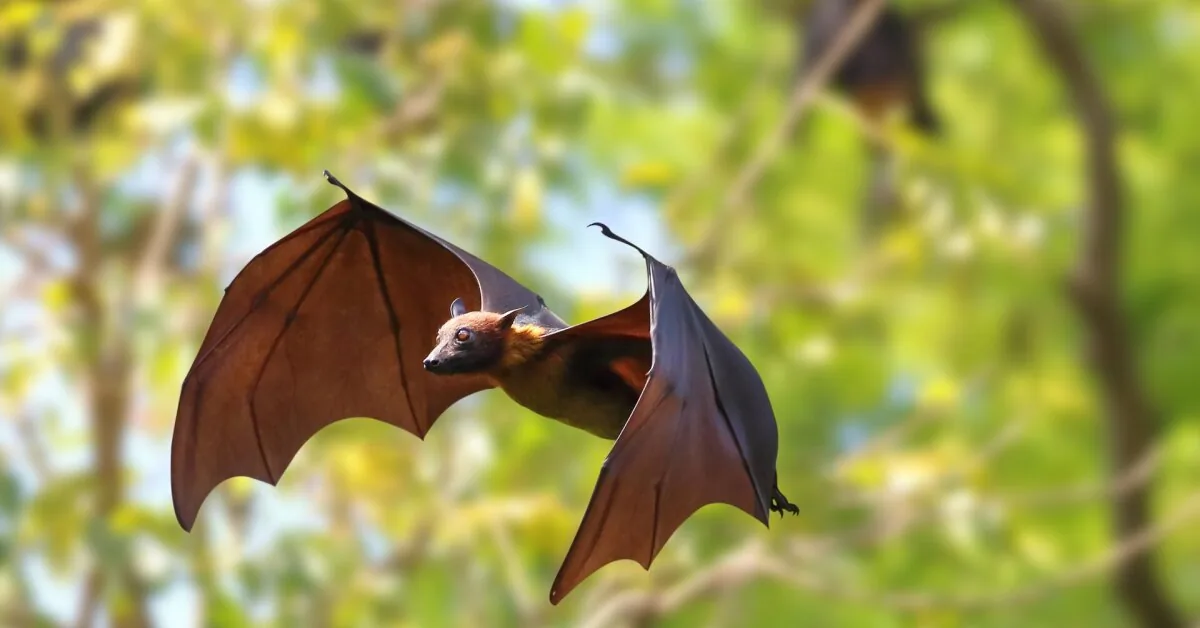
A fatal bite occurred in Northern Ontario, where the boy lived in the summer of 2024. The child was sleeping peacefully when he suddenly woke up and saw a bat perched right on his face, covering his nose and mouth, according to the case report.
Read more Volodymyr Zelensky: «Naftogaz» head is the best candidate for Ukraine’s prime minister
As reported by the Daily Mail, without thinking, he shooed the animal away. His father caught it and released it back outside. At that time, the family said they had no reason to believe the animal had bitten, scratched, or caused any concern. The boy appeared completely normal, uninjured, without blood, puncture marks, or visible wounds – so they did not seek emergency medical care. This decision proved fatal.
About 19 days later, the boy began to feel unwell and exhibited alarming symptoms. What started as vague discomfort quickly developed into a serious neurological illness, including tingling and numbness attacks on one side of the face and persistent vomiting. Since the family insisted the child had no previous bites, doctors initially investigated more common causes, but as his condition rapidly worsened, rabies was eventually diagnosed.
He was hospitalized in the intensive care unit, but as with all symptomatic rabies cases, treatment could not stop the virus from spreading. Despite more than two weeks of aggressive supportive care, his condition continued to deteriorate, and life support was eventually withdrawn. The child tragically died, surrounded by family. The family agreed to publicize the case, hoping it would help prevent another tragedy.
Read more Unplanned commotion in Belarus: noise erupted after threatening Putin
Experts involved in this case say the most concerning aspect is how easily infection can go unnoticed. Bats can carry rabies, and their bites are often so microscopic that they leave no visible marks. “It was important for us and the family to take the opportunity to learn from this case, experience, and lessons to try to spread information about rabies infection and risk,” said Dr. Brian Hummel, a pediatric infectious disease specialist involved in the case.
He emphasized that the absence of wounds does not mean there was no contact with an infected individual and warned that even brief skin contact, especially on the face, should be immediately evaluated for post-exposure rabies treatment. This case, now published in the Canadian Medical Association Journal, marks the first local human rabies infection in Ontario since 1967 and is one of the few human rabies cases recorded in Canada.
However, bats remain a known source of the deadly virus and are the main cause of human rabies deaths in the United States, despite less than one percent of wild species actually carrying the virus, according to the Centers for Disease Control.
Read more Holiday nightmare in Palanga drove vacationers out of patience: «No toilets, no water stops»