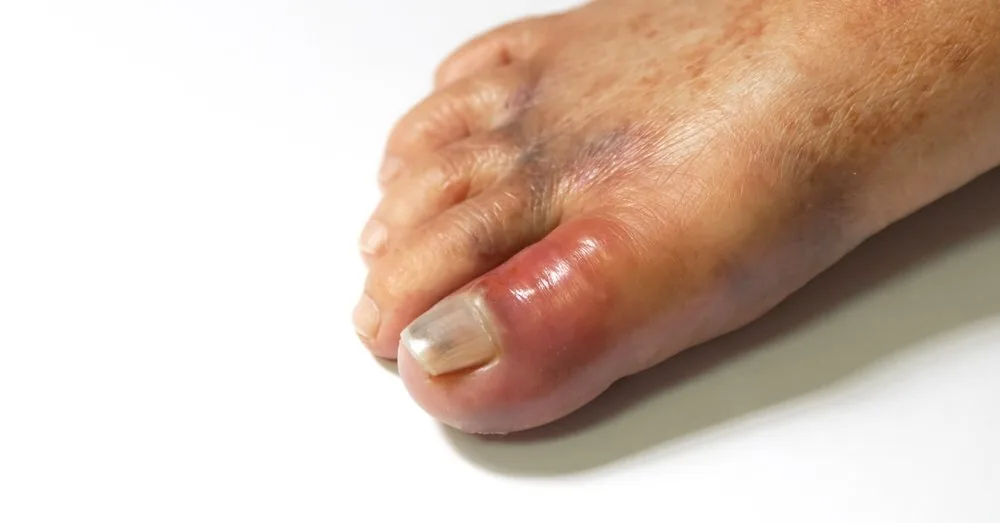
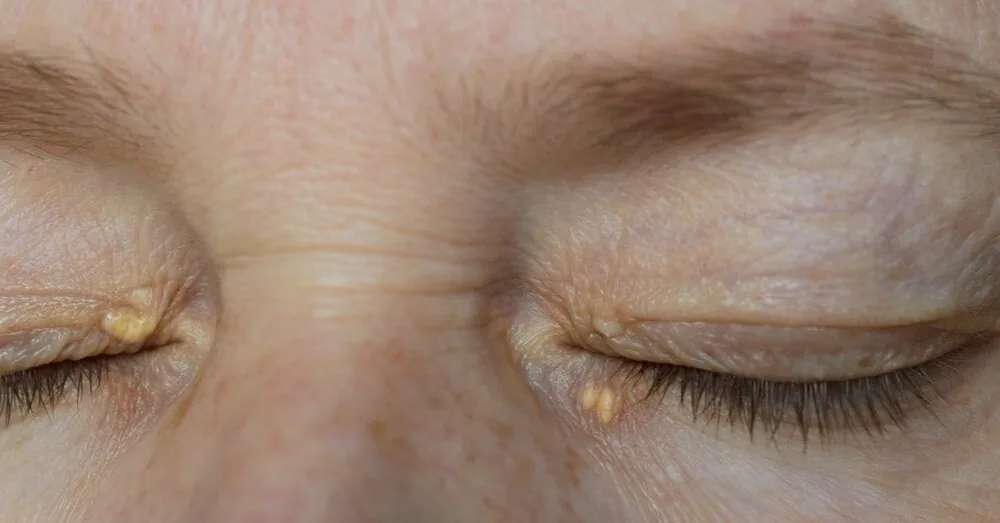
As stated in the press release by pharmacist Lina Stočkutė-Plytnikė from “Gintarinė Pharmacy,” questions about bruises appearing without a clear reason are frequently received at the pharmacy. Although a single bruise usually is not a cause for concern, it is important to monitor how often they appear, on which parts of the body, and whether other symptoms occur simultaneously.
“Typically, a bruise appears after a blow or fall and changes color as it heals – turning greenish, then yellow, until it disappears within two or three weeks. However, if new bruises appear spontaneously, are large, painful, form on the torso, back, face, or other unusual places, it is worth looking for a cause,” says the pharmacist.

Why do some people bruise more easily?
A bruise forms when small blood vessels are damaged and blood leaks into the subcutaneous tissues. Some people need a stronger blow for this to happen, while others bruise from minor bumps or pressure. One reason is natural changes in the body over the years. As we age, the skin thins, the protective subcutaneous fat layer decreases, and blood vessels become more fragile, making them easier to damage. In women, fluctuations in estrogen levels may also have an impact.
“More frequent bruising can be caused by deficiencies in vitamins C, K, or B12. Vitamin K is important for normal blood clotting, so its deficiency can cause more blood to leak even after minor trauma, making bruises more pronounced and longer-lasting. Vitamin C is necessary for collagen production and maintaining the elasticity of blood vessel walls, so its deficiency makes blood vessels more fragile,” explains L. Stočkutė-Plytnikė.
Bruises can also result from iron deficiency, fragile blood vessels, or blood clotting disorders. One such disorder is thrombocytopenia, where the number of platelets important for stopping bleeding is reduced. Easily appearing bruises may also be related to inherited blood clotting disorders, such as hemophilia or von Willebrand disease.

Medications and supplements can also have an impact
If you notice that bruises have been appearing more frequently recently, the pharmacist advises remembering not only possible injuries but also evaluating the medications and supplements you are taking. Some of them can affect blood clotting or influence the condition of the skin and blood vessels.
“The likelihood of bruising can be increased by anticoagulants and antiplatelet agents, as well as some nonsteroidal anti-inflammatory drugs. Long-term use of corticosteroids can thin the skin and weaken blood vessel walls. Certain antidepressants and some other medications may also have an effect,” says L. Stočkutė-Plytnikė.
It is also important to pay attention to supplements. Fish oil, vitamin E, ginkgo, garlic, ginger, ginseng, or turmeric preparations taken in higher doses or together with blood clotting-affecting medications can also influence blood clotting.
Read more Famous Lithuanian parents sent their children to school: here is what their September 1st looks like
“If you notice more bruises after starting medication, you should never stop the prescribed treatment on your own. In such cases, it is necessary to consult a doctor and assess whether the bruises may be related to the medications being taken,” emphasizes the pharmacist.
Sometimes the cause lies deeper
If bruises used to appear rarely but suddenly become more frequent without a clear reason, this change should not be ignored. Sometimes frequent bruising can be related not only to blood clotting disorders or vitamin deficiencies.
“Liver or kidney diseases can also disrupt blood clotting processes. Therefore, if bruises appear often and without a clear cause, you should not immediately decide that the body simply lacks some vitamin and start taking supplements on your own. It is important to find out the real cause,” notes L. Stočkutė-Plytnikė.
It is especially important to assess whether other unusual symptoms have appeared along with the bruises. You should see a doctor if you frequently have nosebleeds or bleeding gums, bleeding from small wounds is difficult to stop, or women experience unusually heavy menstrual bleeding.
“General weakness, unexplained fatigue, dizziness, fever, or small red spots on the skin – petechiae – should also cause concern,” adds the pharmacist.

A single bruise appearing after an injury and healing normally usually should not cause concern. However, it is important to pay attention if the size or location of bruises changes or if they are accompanied by other symptoms.
“Large or very painful bruises that appear without a clear reason, especially on the torso or face, are a signal to seek medical attention. Emergency help should be sought if bruises are accompanied by other unusual bleeding, such as blood in the urine, or sudden weakness,” warns L. Stočkutė-Plytnikė.
Read more After the drone attack, a fire broke out at the Russian port of Ust-Luga