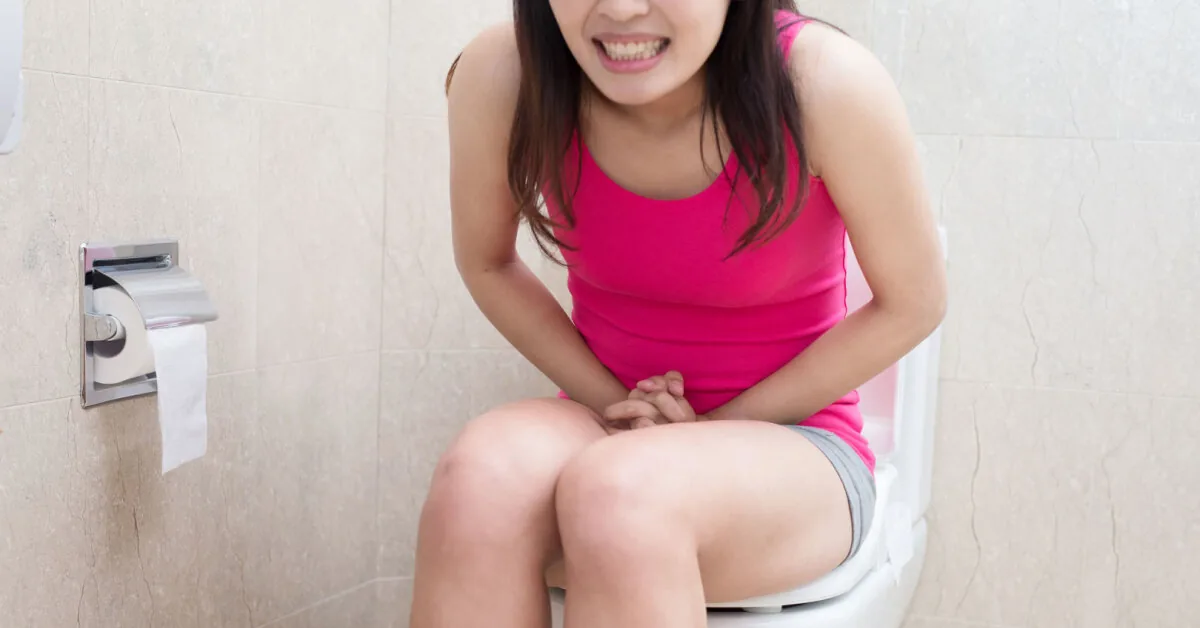
“Gintarinė vaistinė” pharmacist Rimvydas Bakas states in a press release that summer constipation is usually caused not by one reason, but by a combination of several factors: heat, fluid loss, changed routine, changed diet, and delayed defecation.
Read more Marco Rubio: Saudi Arabia seeks a peaceful, civilian nuclear program
“In summer, due to higher air temperatures, the body loses more fluids through sweating. If more fluids are lost than can be replenished, the body tries to conserve water reserves to maintain vital functions. As a result, more water is reabsorbed from the feces in the large intestine – they become drier, harder, and more difficult to pass,” explains R. Bakas.

Active lifestyle does not always protect
According to the pharmacist, physical activity helps maintain normal bowel function, but in summer, movement alone may not be enough. Intense exercise or spending a lot of time outdoors on hot days leads to more sweating, and thus loss of electrolytes along with fluids. If these losses are not compensated, the risk of constipation may increase.
Diet is also important for bowel function. In summer, especially when traveling or on vacation, people tend to eat irregularly, choose foods with less fiber, snack more, and drink less water than usual.
“Fiber helps maintain proper stool consistency and promotes regular bowel movements. However, simply increasing its amount will not always solve the problem if a person drinks too little water, moves little, eats irregularly, or constantly suppresses the urge to defecate,” he emphasizes.

Why does the problem occur during travel?
During holidays, the intestines often react to a changed daily routine. Different waking and eating times, longer journeys, less movement, avoiding public toilets, or the desire to “wait until the hotel” can disrupt the usual rhythm of defecation.
“For many people, the body is adapted to a certain rhythm – eating at similar times, maintaining a similar sleep pattern, and the urge to defecate often occurs at the same time of day. During travel, this rhythm is disrupted, and by regularly suppressing the urge to defecate, stools remain in the large intestine longer, more water is reabsorbed from them, making them harder,” explains the pharmacist.
In such cases, so-called traveler’s constipation may occur. This is usually a temporary disorder that resolves as the body adapts or returns to a more normal routine.
When to wait, and when to worry?
Short-term constipation after travel is usually not dangerous. In such cases, it is first worth returning to a more normal daily routine and observing one’s well-being. However, prolonged or recurring problems should not be attributed solely to summer.
“If constipation lasts for several weeks, recurs, or is a new and unusual problem, the cause should be sought. It can be caused not only by lifestyle changes, but also by various health disorders, the use of certain medications, or changes in bowel function,” notes R. Bakas.
Read more Analysts: in this situation Zelensky shot himself in the foot
You should consult a doctor immediately if blood in the stool, unexplained weight loss, severe abdominal pain, vomiting, or fever occur simultaneously. Such signs may indicate that the problem is not merely functional and requires a more detailed evaluation.
A quick solution should not become a habit
When dietary and lifestyle corrections are not enough, auxiliary measures can be used, but their choice depends on the situation. Some act more gently and help gradually restore regularity, while others are intended for short-term relief when a quicker result is needed.
“When constipation is mild and has recently appeared, lifestyle corrections are often the first step. If that’s not enough, gently acting remedies can be chosen, for example, fiber-based preparations or osmotic agents that help retain water in the intestines and thus facilitate defecation,” says R. Bakas.
Fast-acting laxatives can be useful episodically, for example, during travel when constipation is prolonged, but they are not intended for continuous maintenance of bowel function.
“If a person often relies only on fast-acting preparations, the true cause of constipation may remain unresolved. The problem may be related to diet, insufficient movement, medications used, or other changes in the body. Therefore, the goal should not only be a quick result, but also help the intestines work regularly,” emphasizes the pharmacist.
Most important – water, fiber, and rhythm
To reduce the risk of constipation, it is important to take care of daily habits. The diet should include plenty of vegetables, fruits, whole grain products, legumes, and other fiber-rich foods. When increasing fiber intake, it is essential to drink enough fluids, otherwise the desired effect may not be achieved.
Regular movement helps maintain bowel function. Walking or other daily physical activity is sufficient. During travel, it is worth taking breaks, moving after prolonged sitting, and trying to maintain the usual eating and sleeping rhythm as much as possible.
“Another important habit is not to delay the urge to defecate. The signals sent by the body are a natural part of the regulatory system, and ignoring them often can make it harder to maintain a regular rhythm,” says the pharmacist.
Read more Heat inferno in Spain: popular tourist spots are baking like in an oven