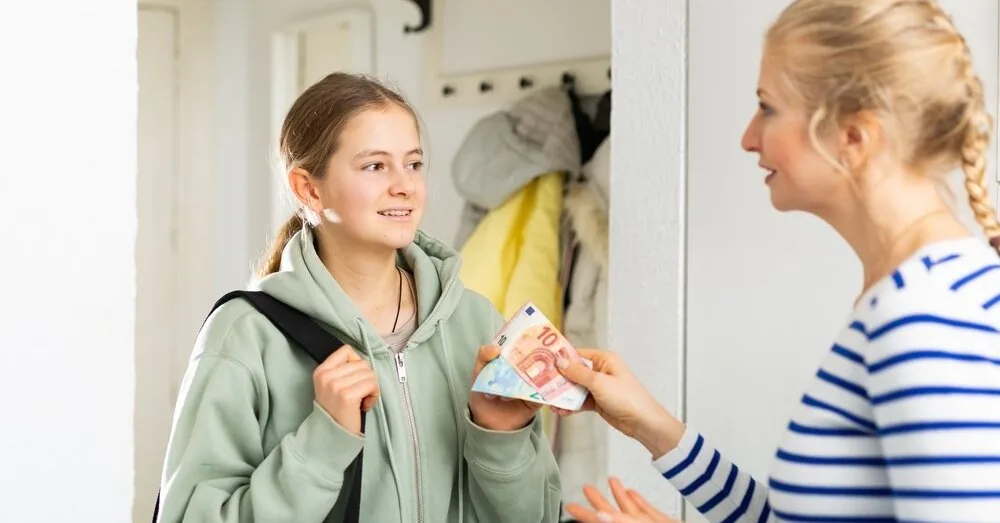
The portal “Parents” together with financial expert Keith J. Peterson reviewed when it is worth starting to give a child pocket money, what amounts to choose according to age, and how to turn this habit into a financial literacy lesson.
Read more On the International Space Station – the first spacewalk by a French astronaut
First acquaintance with own money
For many children, pocket money becomes the first experience when they receive money they can manage themselves. At the same time, it can be the first step in learning to save and understand the connection between work and reward.
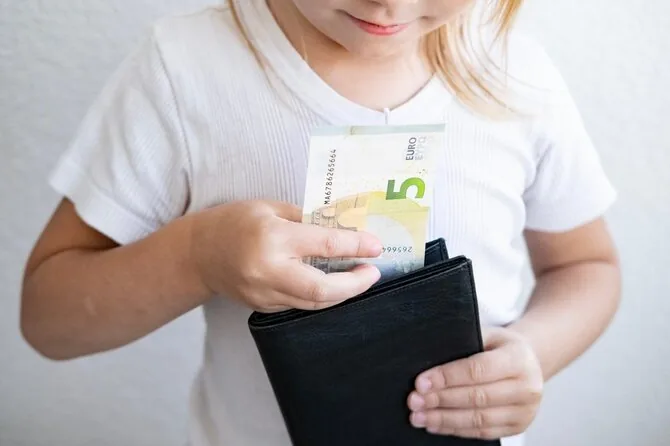
Financial expert K. J. Peterson points out that it is not always easy for children to understand that when parents pay by card, real earned money is spent. Therefore, for younger children, he recommends starting with cash – so the child physically sees that after buying an item, part of the money is gone.
Regularly received pocket money can help learn to budget, save for a bigger purchase, and make decisions independently. The child quickly sees the consequences: if they spend everything immediately, they will have to wait until the next agreed pocket money day.
How much and how often to give?
The exact amount depends on the family’s financial situation, the child’s age, and agreements at home. Some families allocate the same amount to all children, others give more to older children because their needs and responsibilities grow.

K.J. Peterson also provides a simple guideline: from about five years old, you can allocate as many euros per week as the child’s age. Additionally, the child could earn money by doing tasks that are not their usual household duties.
For a child of this age, it is recommended to allocate about 1–3 euros per week and most importantly maintain consistency. For example, money can be given every Sunday.
At this age, three jars or envelopes can be used: “spend,” “save,” and “share.” This way, the child begins to understand that not all received money has to be spent immediately.
7–9 years – time to save purposefully
For children aged 7–9, a weekly amount of about 3–5 euros is suggested. Pocket money can be linked to simple chores, such as making the bed or feeding a pet.
At this age, it is already worth encouraging saving for a specific small purchase – a toy or a game. It is also possible to let the child pay for a chosen treat or other small purchase themselves.
Read more The authorities announced what they will do with traffic lights: will the green light blink or not?
10–12 years – first real budget
For children aged 10–12, about 5–10 or more euros per week can be allocated, depending on their duties.
At this age, part of the expenses can already be transferred to the child, for example, agreeing that they buy snacks, a gift for a friend’s birthday, or some school supplies with their own money.
This introduces a very important lesson: money should be allocated not only for what you want but also for what you need.
Teenagers – more responsibility
For teenagers aged 13–15, “Parents” suggests about 10–20 or more euros per week. It is possible to switch to a monthly amount – this way, the teenager learns to allocate money in advance for a longer period.
At this age, it is already worth planning expenses for clothes or entertainment together and encouraging saving for a bigger desired purchase, such as a concert ticket.
For 16–18-year-olds, the pocket money amount can already be linked to their real needs and income from their first job. Parents can help plan bigger goals, encourage saving, and start talking about bank accounts, cards, interest, and taxes.
Allow to spend and make mistakes
One of the most important lessons is not to let the child only theoretically listen about saving. They must make decisions themselves.
If a child spends pocket money too quickly on an unnecessary item, it can be a valuable experience. A small financial mistake made in a safe family context helps understand something that later, as an adult, can be much more expensive to learn.
Most importantly, according to the expert, is to find a way to talk to children about money before they start independent life.