Advisor of the law firm “Tegos”, lawyer Aleksandra Fedotova emphasizes that such restrictions must be observed for a reason – they aim to protect the health of both people and animals.
Read more Russia protests the removal of a Soviet monument in Estonia
Restrictions apply to everyone
Similar rules apply not only to individuals but also to businesses. To transport certain products across the Lithuanian border, a company must have the appropriate safety certificates.

“The strictest control is applied to animal-origin products – they are directly related to animal diseases. Without certificates confirming safety, such products are prohibited from being imported into Lithuania from third countries, i.e., products may be detained at the border, returned to the sender, or even destroyed,” says A. Fedotova.
However, according to her, it is important to mention that control can also be intensified for products transported from EU countries in cases where it is suspected that outbreaks of diseases such as avian or swine flu may have occurred in one of the countries.
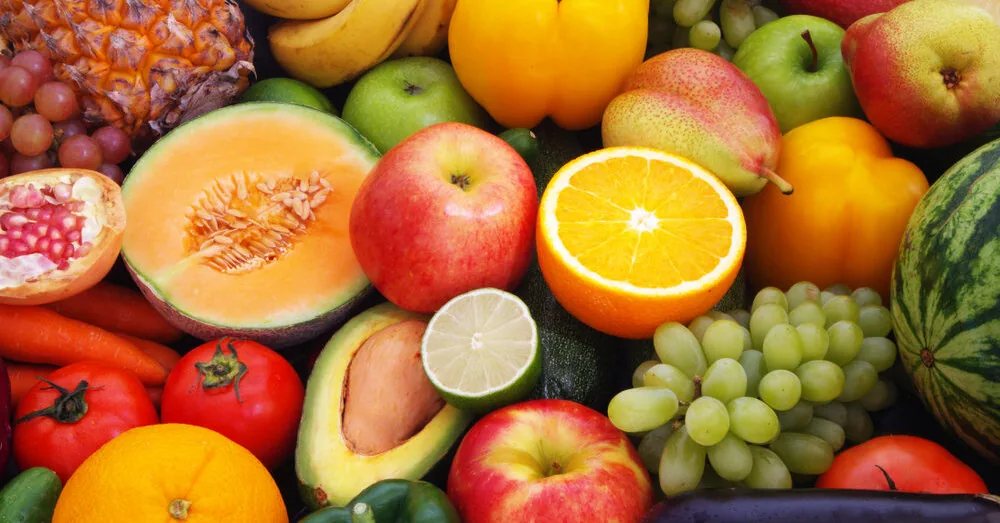
“The import of fruits, vegetables, or plants is also monitored, but in this case, the control functions belong to the State Food and Veterinary Service (VMVT) and the State Plant Service (VAT), which also have their own border departments. VAT conducts inspections and ensures that pests or invasive plants that could harm local ecosystems do not enter Lithuania,” notes the lawyer.
Thus, bringing products into Lithuania is certainly not a simple process. All cargo must have veterinary documents and certificates confirming that the producer in the third country is regularly inspected and checked. Supervision of farms in third countries and food safety laws often differ from European standards, so strict control helps ensure that only safe products enter the EU and, consequently, the Lithuanian market.
A. Fedotova states that even with all safety certificates, it does not guarantee that the cargo will definitely enter Lithuania. Imported animal products are checked both documentarily and physically at the border, and if a risk is suspected (for example, an animal infectious disease, discrepancies in documents, or an outbreak in the country of origin), additional control measures may be applied. In such cases, the competent authority may stop the cargo until laboratory test results are received, after which the authority decides whether to allow, return, or order the destruction of the cargo.
Food fraud encountered
Although various cases occur in the EU, the strictest restrictions apply specifically to products from third countries. While in many cases restrictions are targeted, in some cases full food control may be introduced. The lawyer states that there have been cases where products transported from Turkey contained pesticide levels exceeding the norms, or attempts were made to bring in cattle meat of unclear origin from Egypt.
“Meanwhile, imported products from certain third countries, including China, may receive greater attention from controlling authorities in practice, as the risk of food fraud increases. In such cases, to reduce production costs, more expensive ingredients in the product are replaced with cheaper and potentially health-hazardous ones. Food fraud also includes misleading or inaccurate labeling information and forged product origin or traceability documents,” says A. Fedotova.
This is a major problem that can directly affect people’s health. Therefore, although Lithuanian authorities usually do not inspect goods in transit, inspections may be carried out if violations are suspected.
“We have had a case where laboratory tests of transported cargo revealed that the product was made from a protected animal species, while the documents declared otherwise. In such cases, authorities must take action and make decisions that not only protect the public but also prevent illegal activities,” says A. Fedotova.
Liability applied
The “Tegos” lawyer notes that the greatest liability for businesses is the risk that a large shipment may be returned to the sender or destroyed, which, of course, is a loss for the company.
“If the cargo is stopped at the border, responsible persons may be held liable under the Code of Administrative Offenses and fined from 150 EUR to 2,300 EUR for established violations. If unsafe or counterfeit products enter the market and a violation is found, liability may be imposed under the Lithuanian Food Law, and the fine can reach 14,000 EUR,” notes A. Fedotova.
A person attempting to bring prohibited products may also be held liable under the Code of Administrative Offenses and receive a warning or a fine of up to 300 EUR.