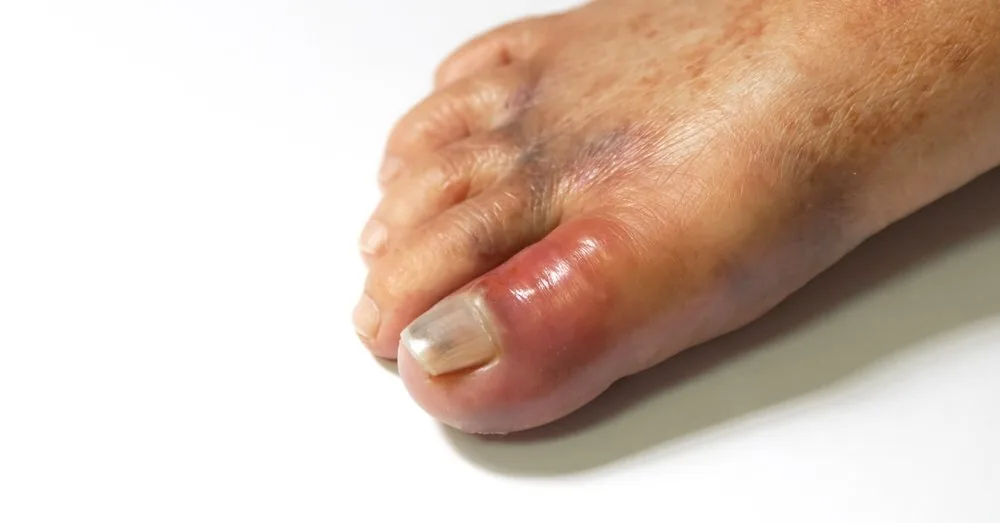
It should not be assumed that ticks only lurk in deep forests – they can also be found in city parks, gardens, homesteads, forest edges, or other green spaces. Lithuania has the highest number of tick-borne encephalitis cases among European Union countries, and the only effective preventive measure against tick-borne encephalitis is vaccination, according to a press release from “Antėja”.
Read more „TotalEnergies“ withdrew from the Russian Arctic LNG project
“If a person has not been vaccinated so far, it is worth doing it as soon as possible. The earlier protection is taken care of, the sooner it forms – you will be safer by the end of this autumn and fully prepared for the next tick activity season. For people who spend a lot of time outdoors, at homesteads, parks, or travel around Lithuania, and go mushroom picking in autumn, I would recommend not delaying vaccination,” says Evelina Pukenytė, an infectious disease doctor at the health solutions center.
In Lithuania, ticks are active for most of the year – they become active when the average daily temperature rises to about 5–7 °C, so a warm autumn can mean a longer tick activity season.
The highest incidence of tick-borne diseases in Lithuania is recorded from May to October. However, isolated cases can occur in early spring or late autumn, even in March or December.
“In autumn, people also spend a lot of time outdoors – walking in forests, mushroom picking, berry picking, working in gardens, while ticks remain active. The most effective specific protection against tick-borne encephalitis is vaccination,” states E. Pukenytė.
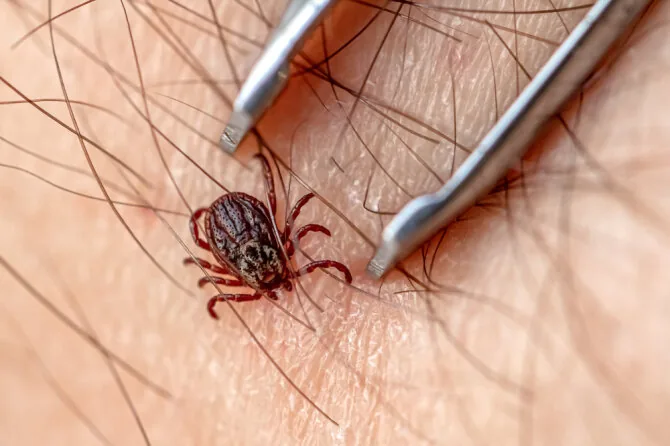
Standard or accelerated vaccination?
Protection against tick-borne encephalitis does not develop immediately after the first vaccine dose. The body needs time to form an immune response, so to achieve reliable protection, it is necessary to follow the entire vaccination schedule. There are two vaccination schedules: standard and accelerated.
“With the standard schedule, the second vaccine dose is given 1–3 months after the first, and the third dose 5–12 months after the second. Reliable protection is achieved only after three vaccine doses, and if the vaccination is not completed, protection may not develop, whether using the accelerated or standard schedule. Protection forms two weeks after the second dose. However, the most reliable and longest protection is ensured by three vaccine doses – about 98–99% of vaccinated individuals develop resistance to tick-borne encephalitis for 3–5 years,” says the doctor.
Immunity acquired after vaccination weakens over time, so it needs to be continuously maintained by receiving booster doses every 3 or 5 years.
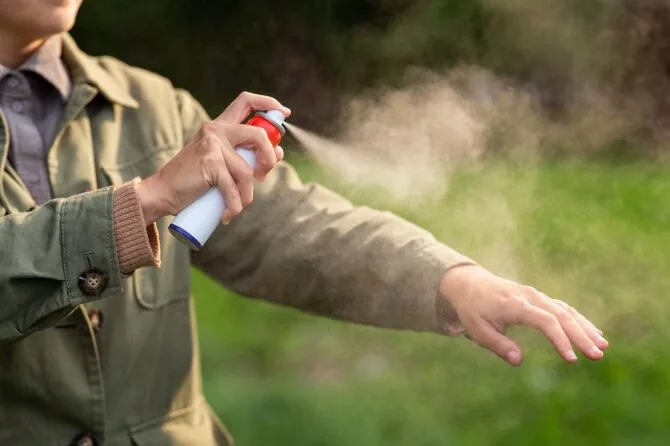
For a person who decides to get vaccinated, the most important thing is not to delay and to contact a healthcare facility where a vaccination schedule suitable for the specific vaccine will be selected. However, until sufficient protection forms, it is necessary to continue protecting against tick bites – wear appropriate clothing, use repellents, and carefully check the body after being outdoors.
With the accelerated schedule, the second dose is given 7–14 days after the first dose, and the third dose 5–12 months after the second dose.
“The accelerated schedule allows the first vaccine doses to be received in a much shorter time. If a person decides to get vaccinated at the end of summer or in autumn, the accelerated schedule can be a practical choice because it allows protection to start forming faster. However, even when starting vaccination according to the accelerated schedule, it is important not to forget that vaccination does not eliminate the need to protect against tick bites,” says the doctor.
The recommended intervals between vaccine doses depend on the specific vaccine and the chosen standard or accelerated vaccination schedule. Therefore, if a dose is missed, one should not decide independently when to get it but promptly consult a doctor.
“The doctor will assess how many times vaccination has been done, which schedule was applied, how much time has passed since the last dose, and will recommend how to continue vaccination,” emphasizes the specialist.
Usually, if three doses have been vaccinated and the booster dose is delayed, the entire vaccination course does not need to be repeated – it can simply be continued. A delayed dose should not lead to refusal of vaccination or postponing it for an even longer time.
Read more Rita shares a quick cabbage salad recipe: simply impressive